Blog

  • Vegana Italiana: Bringing Pura Vita to Your Kitchen

    Vegana Italiana: Bringing Pura Vita to Your Kitchen

    Set on West Hollywood’s hip and colorful Santa Monica Boulevard, Pura Vita is a beacon for foodies, Italians, and Italophiles alike. Its low-lit, cozy, contemporary New York City wine bar vibe is as inviting as the food, which is both innovative and delicious.

    Start with arancini or eggplant parmigiana, before digging into cacio e pepe or spinach and mushroom lasagna, paired with wine sourced from organic and biodynamic farms. Then, treat yourself to the tiramisu. It’s a Grand Tour of the boot and its stones, influenced by chef and owner Tara Punzone’s Italian New Yorker roots.


    Take one look at the restaurant’s arresting logo—a chef’s knife pierces through a dripping tomato—and it’s suddenly clear: no animals were harmed in the making of your meal. In fact, it was the first 100% plant-based Italian restaurant and wine bar in the United States when it opened its doors in 2018. That doesn’t stop Pura Vita’s largely omnivorous customer base from coveting reservations for brunch, lunch, aperitivo, and dinner.


    Drawing from the Costa Rican phrase “pura vida,” Tara called her restaurant Pura Vita to reflect an Italian version of the pure life. It’s also among her many tattoos. She designed the concept, menu, and interior herself, drawing from her master’s degree in fine arts from the School of Visual Arts in New York City. 

    Born in Brooklyn to second-generation Italian American parents, Tara grew up in Long Island, influenced by her grandparents’ Neapolitan and Calabrian traditions. But after watching a video about slaughterhouses in her fifth-grade class, she found herself rethinking her culture’s foods, especially once she became vegan at age 12.

    Mom’s lasagna was no longer an option, but Tara took to the kitchen, reinventing her favorite family foods in a way that celebrated their rich history.


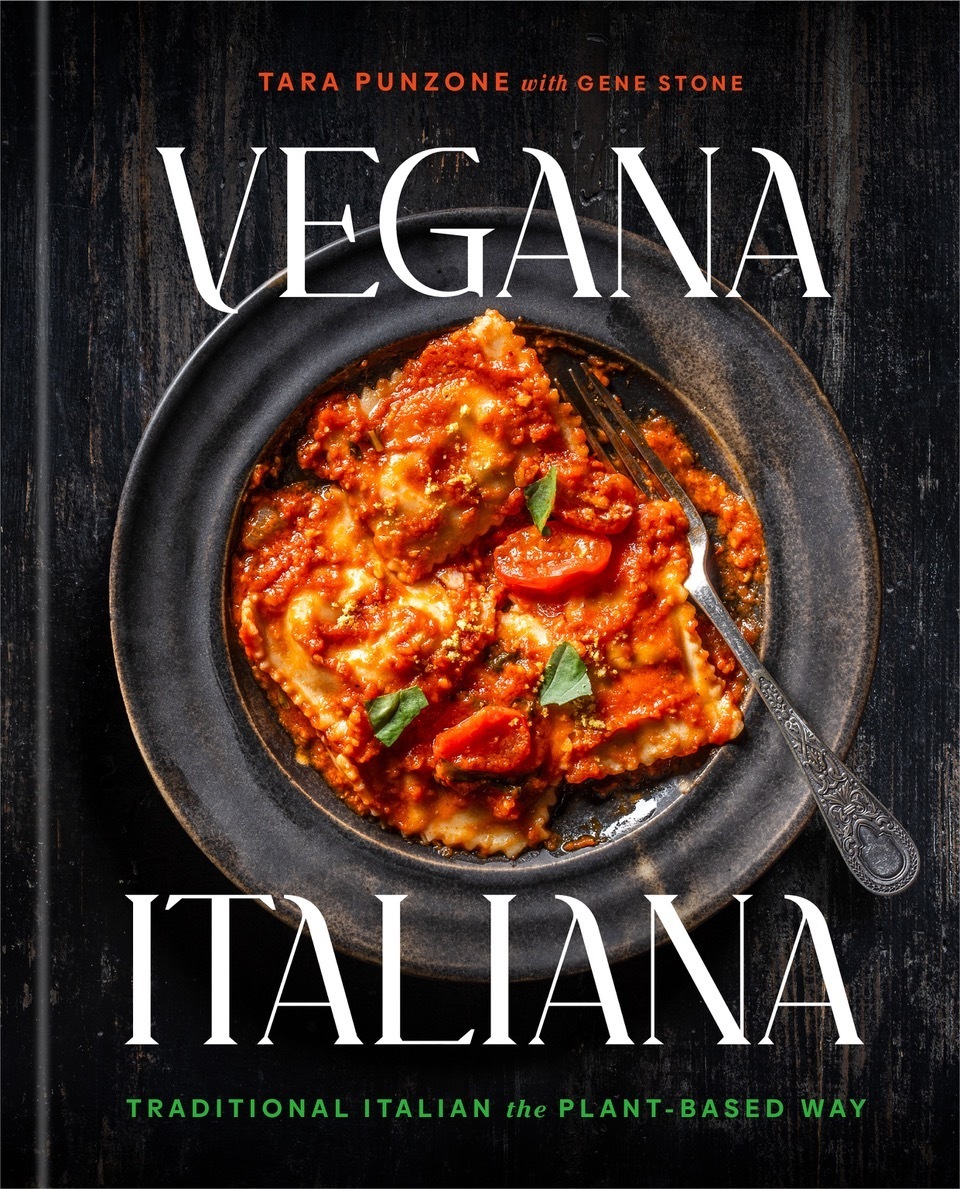
    She documents that journey from plant-based dinners at Manhattan’s Angelica Kitchen to opening Pura Vita and releasing her first cookbook, Vegana Italiana (Rodale Books, October 2025), which she co-wrote with Gene Stone. She was also kind enough to share more about navigating that path, from the spark that ignited her Pura Vita vision to her ultimate goal of serving and sharing beautiful, compassionate Italian food. 
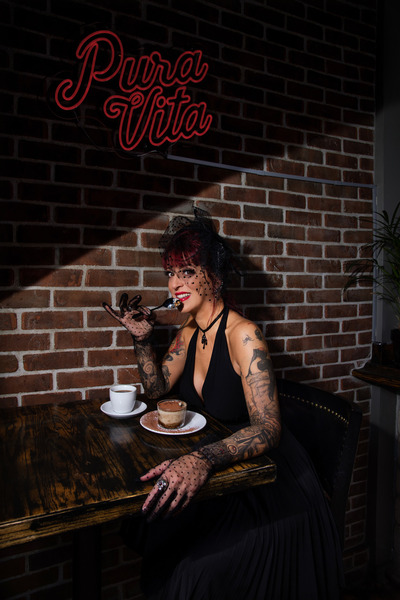
    Pura Vita Chef and Owner Tara Punzone
    Photo by Heidi Calvert


    What led you to embrace veganism?

    I write about it in the book because it’s part of my whole experience that got me here to where I am today. As a kid, I loved animals. Every little kid does, and I was always very finicky about the things that I would eat. But of course, as a child, you don’t make the connection to how the food gets on your plate, what the process is from a beautiful doe-eyed cow standing there to a dish that’s in front of you. It doesn’t occur to you what goes on from one place to the other. So there was no connection for me.

    But then in the fifth grade, when I was 10 years old, I had a teacher who showed the class a video of a slaughterhouse, and it was just appalling. It affected me in a very, very profound way.


    That was it for me. I didn’t eat my lunch that day. I gave it away to somebody else. And I told my parents when I went home that night that I didn’t want to eat meat anymore. And that was the beginning of it.


    How did your family respond?

    They were completely perplexed, and I’m sure they thought it was going to fade out after a couple of weeks. I mean, I was 10 years old, but it didn’t because I meant it.

    Thankfully, I have really amazing, supportive parents. And what happened was my mom said, “OK, well, there’s this place, Angelica Kitchen. Let’s eat there. Let’s make it a positive experience.”


    She wanted to understand as well. And in front of Angelica, there used to be a little area where all the pamphlets would be from groups like PETA and information about factory farming for people who were interested enough to take it. And I took all of it, and I just went down the spiral of learning about all of the different segments of that industry, and one by one, how revolting it was. And I didn’t want to be a part of any of that.


    It took me a couple of years to figure out the whole vegan thing. By the time I was about 12, I had given away my leather motorcycle jacket and my Doc Martens, and I was ready to be vegan to make that full commitment. And it was the best. I have zero regrets.


    How did that affect the way you participated in Italian traditions?

    I’m proud of my heritage. I love my family traditions, and I really wasn’t enthusiastic about having to let go of that part. So it became my focus to have both things. I wanted to be able to not eat animals and not hurt animals. But I also wanted to be Italian American and participate in all the things that my family was doing, cooking, and celebrating.


    The very first thing that made me realize was that I needed to start learning how to make the foods that my grandma and mom made, particularly for Easter. My mom would always make lasagna on Easter, and I couldn’t have it.


    My mom made meat-free lasagna because, for many years, I was still eating dairy, and I still was able to participate. But then one day I realized, “No, now I can’t have any of it at all.”

    And so I started trying to figure out how to make the lasagna. That’s where my spark started flying. It was terrible at first. It was just a big fail on the first of many times that I made it. But that’s what got me excited to figure these things out. That was the first dish.
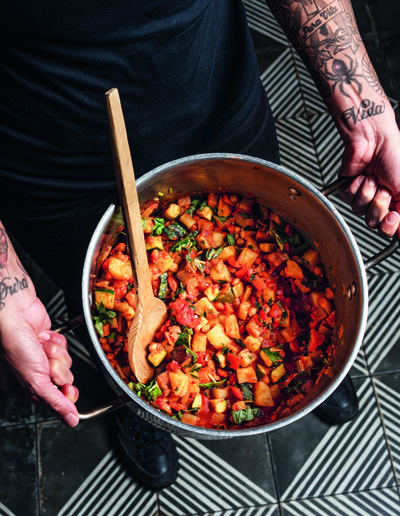
     

    Tara draws inspiration from family recipes and traditions. 

    How did that spark lead to Pura Vita?

    I always had the dream of having my own restaurant. You never think it’s ever going to happen in real life.


    I’d been working in restaurants forever, sharpening my skills and learning about business. When I came to L.A., I was the culinary director for a vegan place that had several locations. So I had the opportunity to learn about business, which is the part of being a chef that you don’t necessarily learn. That was extremely helpful for me because I learned all the things not to do, which is sometimes more important than what you’re supposed to do.


    Then, the original owner sold it to new people, and I decided it was time for me to do my own thing. So I started searching for locations. I found a place that was so fitting in my mind for what I wanted. I fixed it completely, but I wanted it to have a certain feel. I got very lucky with the location. And I was also lucky because I wasn’t somebody that people knew.

    It was just the absolute right moment in time, in the absolute right place. And I’m so grateful for that. It was a success from the very first night, and thank God we’re still there.
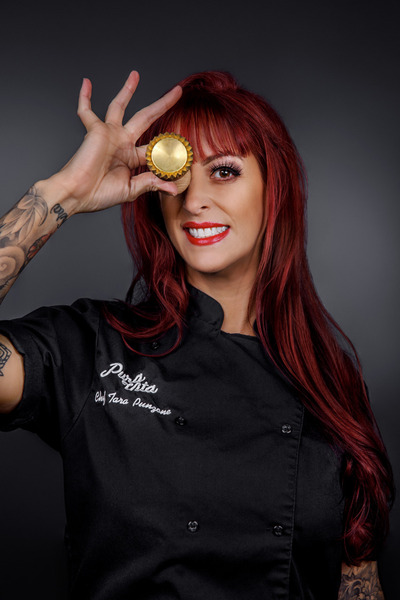
     

    “I have an amazing staff and people I really trust, who helped me make things happen,” says Tara.

    How did Vegana Italiana come about?

    I always had the idea in my mind that I wanted to write a book. As soon as I opened the restaurant and it was successful, every single person asked me if I had a book. But I was running a restaurant and there for 16 hours a day every day. You can’t write a book like that. It’s not possible.


    So many years went by of me wanting to do it, and then I just got to a place with the restaurants where I have an amazing staff and people I really trust who helped me make things happen.


    It was super difficult because on my one day off, I was just working on this book. If it weren’t for Gene Stone, my co-author, I would never have finished it.


    Tell us about the writing process.

    Luckily, he lives a couple of blocks away from me and from the restaurant. It was very convenient. There was no driving involved. It was pretty great. We would just spend the day together.


    I wrote the recipes, but I had to write them for smaller servings. But the stories about my life and my childhood—all the recipes have little anecdotes or little stories to go with them—that was me just recording an idea on my phone.


    I would just tell the story—for example, Easter lasagna—into my phone and then just send it to him, and he would transcribe my words and then make it a little bit more cohesive. That was fun because it felt free. I was just speaking it out, and he was making it readable. We were a really good team.


    How did you select the recipes you share?

    I wanted this book to be accessible. People who live in L.A. come to the restaurant every day and get to eat my food. That’s great because that’s the whole purpose I want to share with my community. But so many people can’t get here, and I want it to be accessible to those people. So you can’t have recipes with wild ingredients that no one can find.


    So I immediately eliminated anything that included ingredients like that. For example, truffles. It’s not easy to get truffles; they’re extremely expensive. They’re delicious, but that’s not what this book is about.


    I want people to be able to make food for their family—really good old school Italian food that happens to be vegan, whether you’re fully vegan, you would like to be fully vegan, you haven’t figured out a way to do so yet, or you’re just trying to add more plant-based food into your life.

    A lot of the recipes are things my family has always eaten, and it turns out a lot of those things were already vegan. For example, in Calabria, it’s peasant food: Swiss chard, beans, potatoes, and peppers.
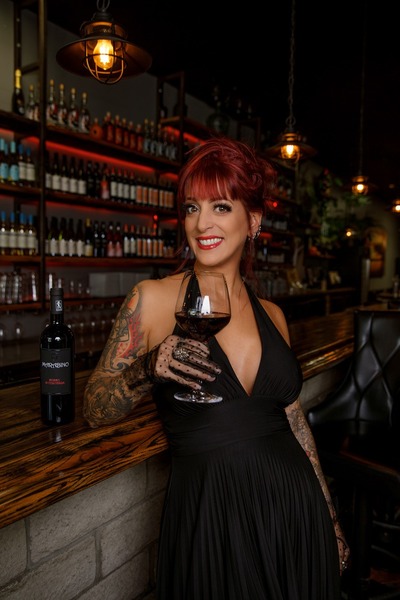


    Cheers to healthy, plant-based Italian food.

    With your restaurant and this book, what is your ultimate goal?

    It’s always been the same. My grandpa and grandma owned an Italian hero shop in Brooklyn. When I was a kid, I wanted to be my grandpa so much. All he did was make simple food for the community, but it was so wildly popular that they needed to hire a security guard. And I thought that was so cool: the impact that he had on his community, and that’s always been my goal: to replicate that in a plant-based way.


    Providing that community feeling and support, and making people happy through clean, healthy food, has always been my goal. It’s very simple. I just love the idea of making people happy through food.


    If you enjoyed this article, consider subscribing to my newsletter for more content and updates!
  • Maria SS del Lume San Diego Celebrates Its 88th Festa, Reminding Us There is Light

    Maria SS del Lume San Diego Celebrates Its 88th Festa, Reminding Us There is Light

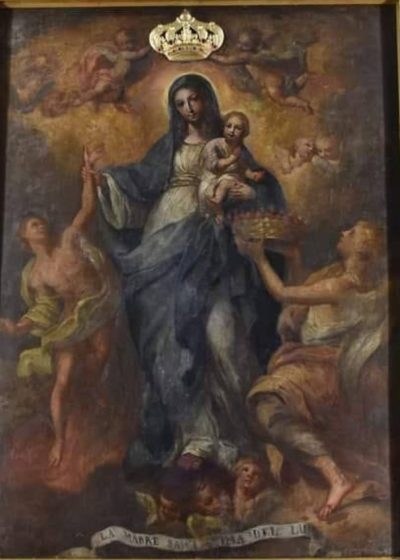
    It’s hard to avoid the Maria Santissima del Lume while visiting Porticello. Some locals say that the so-called Virgin of the Light appeared to fishermen lost at sea in 1777, responding to their desperate prayers by shining a light to guide them safely back to shore. Others will share the story about the mysterious painting that hangs in Chiesa Di Maria Santissima Del Lume, attributing it to an 18th-century Jesuit priest, Father Giovanni Antonio Genovesi, who they say painted it under the Madonna’s guidance. These are the stories my grandparents grew up with before they got married in that very church. Because of this, the Patroness of Porticello, her church, and the village’s annual Festa played a significant role in The Last Letter from Sicily, a family-inspired story. 


    The sacred painting in Chiesa Di Maria Santissima Del Lume


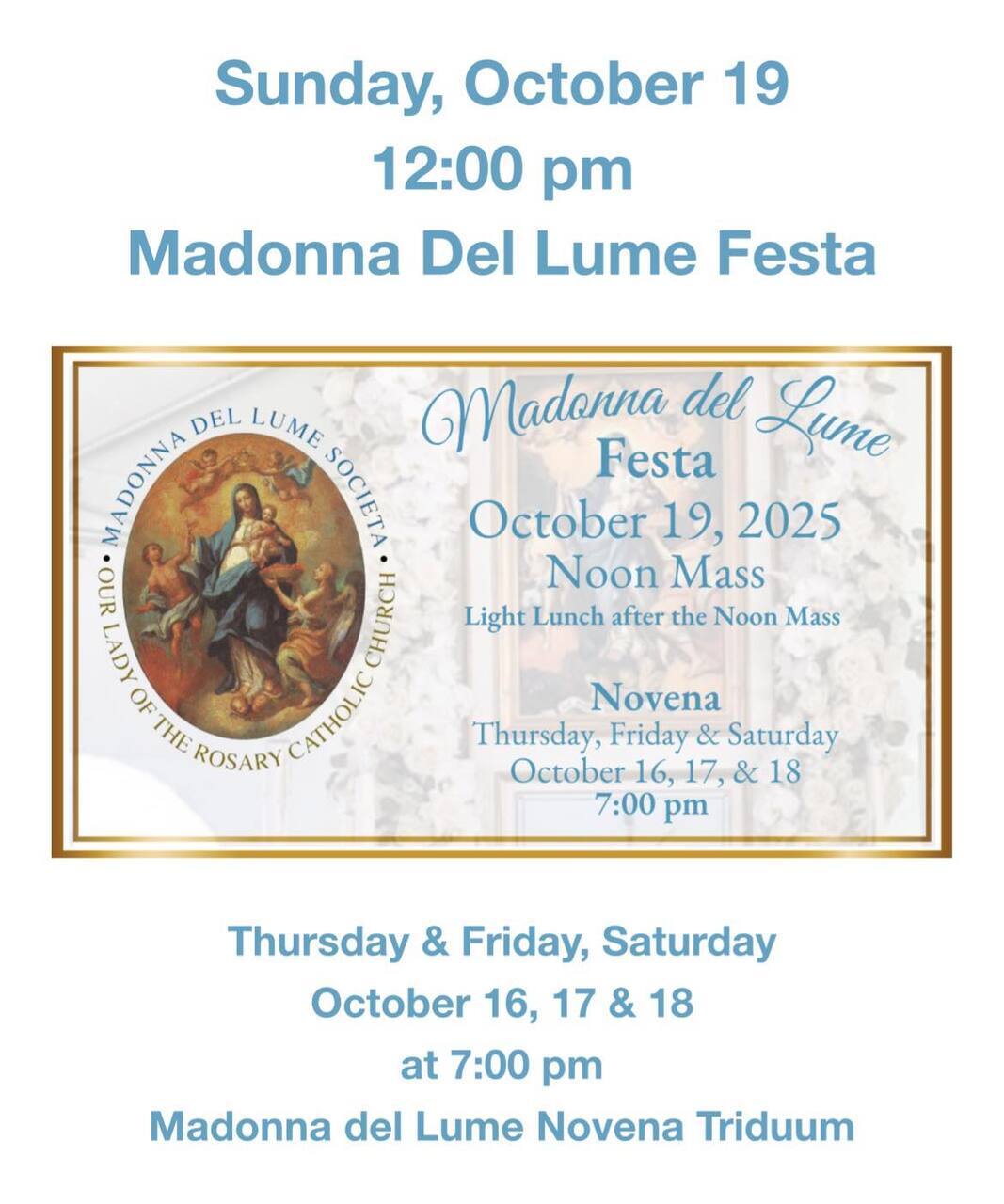
    Porticello is also the ancestral home of Giuseppe Sanfilippo, President of the San Diego-based Madonna del Lume Society of Our Lady of the Rosary, by way of his Sicilian immigrant parents. The organization kicks off its Madonna del Lume Novena Triduum, starting tonight, followed by a Sunday Festa Mass and light lunch.

    Giuseppe maintains a strong connection to the Blessed Mother, whom he says continues to guide those who are “lost at sea” or otherwise in need of light.

    “How many times in our lives, especially in these current times, have we been lost, confused, uncertain, or fearful?” Giuseppe shared with me during a conversation last year. “Whether we are fishermen at sea, laborers on land, or workers at home, this story gives each of us hope that there is always a light, no matter how dark, and there is always faith, no matter how hopeless our situation is.”


    Photo courtesy of La Società di Maria Santissima del Lume

    The light has guided generations of immigrants from Porticello to the U.S. For 90 years, San Francisco has celebrated Festa della Madonna del Lume, a tradition brought to the city by La Società di Maria Santissima del Lume, founded by Sicilian women from Porticello. Their festivities include a Memorial Mass at the Fishermen’s and Seamen’s Chapel, a ceremony at sea to honor lost fishermen, a High Mass at Saints Peter & Paul in North Beach, and a grand procession to Fisherman’s Wharf for the Blessing of the Fishing Fleet. It’s a weekend of smiles, tears, music, and devotion to the Patroness whose illumination endures. 


    It was this light that carried Concetta and Gaetano of The Last Letter from Sicily (like my grandparents) through World War II, despite the ocean and instability between them. 


    Beneath a halo of Sicilian stars: Maria SS delle Grazie
    Photo courtesy of Salvatore Coniglio


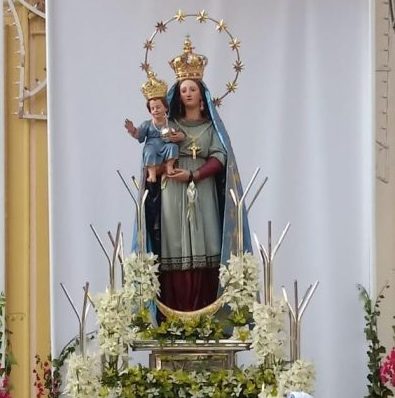
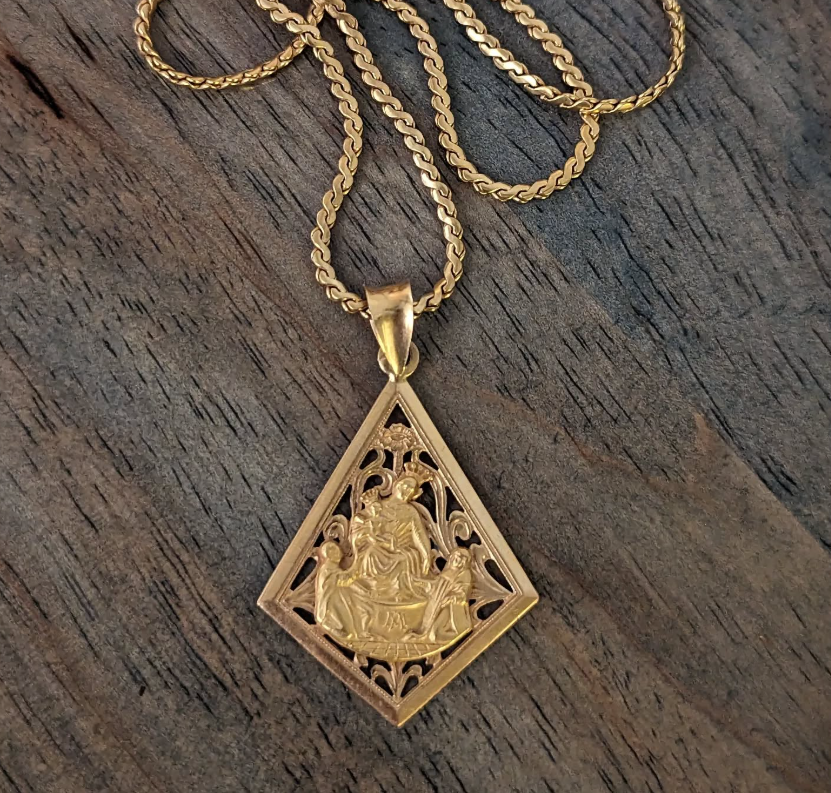
    In Beneath the Sicilian Stars, Maria wears a Maria Santissima delle Grazie pendant, modeled after her namesake, whose statue was said to have been discovered by fishermen after it washed into a cove. Today, that sculpted depiction of the Madonna, holding the Christ child under a halo of stars, is displayed in Parrocchia Maria Santissima delle Grazie in Isola delle Femmine, another Sicilian fishing village. In the story, the Aiello matriarch clings to the necklace as her only link to what she left behind, beneath the Sicilian stars. The statue appears in the novel at a moment of illumination, symbolizing hope and new beginnings.


    While I am no longer a practicing Catholic, the Madonna holds a special place in my novels. She serves as a symbol of comfort, compassion, sacrifice, and hope for those in need. I still wear her likeness, a necklace my Nonna once wore religiously (in both senses of that word); it reminds me of our shared stories and my personal connection with the place she once called home. It gives me comfort, knowing that even on the darkest days, I have that guiding light. 


    If you enjoyed this article, consider subscribing to my newsletter for more content and updates!
  • Columbus Day 1942: When Italian Americans Were Told They Were No Longer the Enemy

    Columbus Day 1942: When Italian Americans Were Told They Were No Longer the Enemy

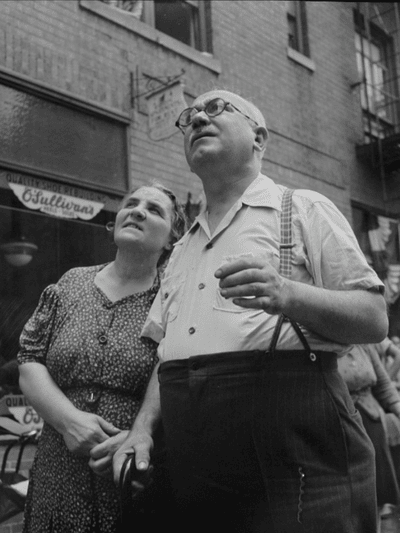
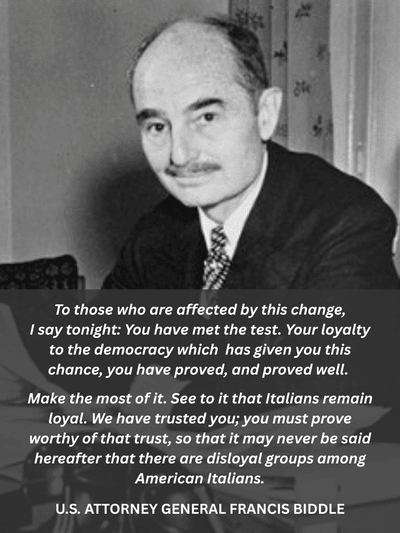
    Attorney General Francis Biddle took the stage on October 12, 1942, at New York City’s Carnegie Hall to announce that 600,000 Italian immigrants living in the United States were no longer considered “enemy aliens.”

    “To those who are affected by this change, I say tonight: You have met the test,” said Biddle. “Your loyalty to the democracy which has given you this chance, you have proved, and proved well.”

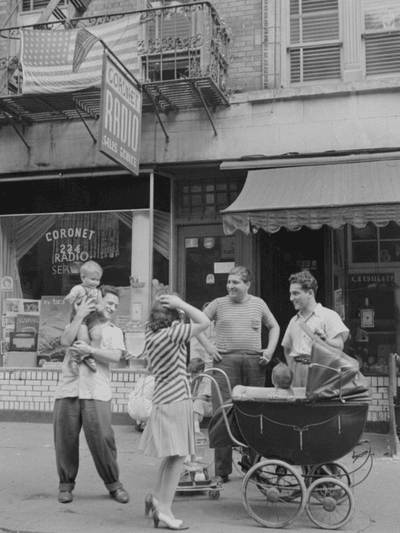
    After months of curfews, arrests, job losses, and the forced evacuation of 10,000 California Italians, families were told they could finally breathe again. Many had sons serving in the U.S. military even as their parents faced government suspicion.

    “Make the most of it,” he continued. “See to it that Italians remain loyal. We have trusted you; you must prove worthy of that trust, so that it may never be said hereafter that there are disloyal groups among American Italians.


    The timing was strategic. For President Franklin D. Roosevelt’s Administration, lifting restrictions on Italians was good politics, a strategic move to secure Italian American support ahead of the planned Allied invasion of Sicily, followed by the “liberation” of mainland Italy.


    Wikimedia Commons


    That same day, Roosevelt issued his own statement:

    “It is 450 years since Christopher Columbus first saw the new western world off his bow… In the wake of his courageous and unprecedented voyage, there came to the Americas the seeking people of many countries—people who sought liberty, democracy, religious tolerance, the fuller life… An American victory will be a United Nations victory, and a victory for the oppressed and enslaved people everywhere.”

    The Library of Congress

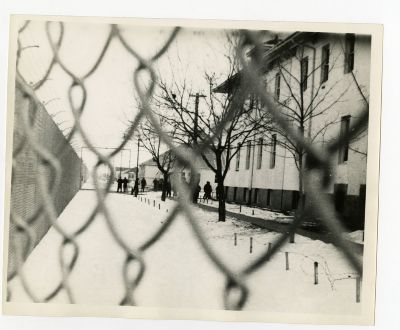
    Still, it would take another week before unnaturalized Italians were allowed to travel freely again, own cameras, radios, and firearms, and stop carrying enemy alien ID cards. Despite all the speeches and celebration, the stigma lingered. Families bore the pain of disruption and loss. Many changed their names or stopped speaking their native tongue. For the hundreds of Italian Americans still interned in camps, freedom didn’t come until after Italy’s surrender to the Allies on September 8, 1943.

    Behind barbed wire: Fort Missoula Internment Camp detainees
    The Historical Museum at Fort Missoula

    These are the stories that inspired Beneath the Sicilian Stars. And it’s this too-recent history we should remember during Italian American Heritage Month.


    Read more about how World War II affected 600,000 unnaturalized Italian Americans.

  • Not Your Nonna’s Local Lodge”: How Inizio is Energizing Cleveland’s Italian American Community

    Not Your Nonna’s Local Lodge”: How Inizio is Energizing Cleveland’s Italian American Community

    Among Ohioans, Italian ancestry is the fourth highest claimed, amounting to an estimated 684,977 people, according to 2023 Census data.  Nearly 30% of them reside in Highland Heights, Cuyahoga County, located less than 15 miles northeast of Cleveland. This area was home to more than 20,000 Italian immigrants who settled between the late 19th century and 1920. 


    These individuals worked in construction, factories, and garment industries; established produce, stone-cutting, and landscaping trades tied to their regional skills; pioneered local manufacturing from pasta to cigars; and by the 1920s made up the majority of the city’s barbers and cooks, shaping its food, labor, and cultural industries.


    Today’s Italian Cuyahoga County residents are increasingly far removed, many ranging from third to fifth generation Italian Americans.


    The grandson of immigrants from Calvi Risorta in the Province of Caserta and Oratino in the Molise region, twenty-six-year-old Anthony Polizzi grew up much closer to his roots, claiming involvement with the Cleveland-based Unione E Fratellanza Oratinese since birth. His Oratinese maternal grandfather served as the club’s president. After attending the group’s Christmas parties for years, Anthony officially joined in 2016 following his receipt of a club scholarship.


    Anthony and his brother with their maternal grandmother at a cousin’s wedding.


    His own leadership journey began when the president of Unione E Fratellanza Oratinese invited him to serve on the board to help engage younger members, and he soon became Secretary of Finance.


    After attending the Italian American Future Leaders Conference in Florida, Anthony joined a local group called Little Italy Future Leaders. But something about that name felt too narrow. After all, most Italian Americans now live in the suburbs, and far fewer speak the language.


    Inspired by the idea of unity and continuity, he helped establish Inizio—meaning “to start” in Italian—an organization dedicated to drawing younger generations, aged 21 to 39. While officially an Italian Sons & Daughters of America (ISDA) Lodge, the group’s website messaging is clear: “Not Your Nonna’s Local Lodge.”

    “We’re trying to get the younger people involved,” says Anthony, who now serves as Inizio President. “It’s not just a one-time thing. You have to show up every day and participate and be active in life in what you choose to do.”


    We discussed what that means, how his group engages younger Italian-Americans and connects them to their heritage, Inizio’s social events and activities, and the importance of promoting language, history, and traditions.


    Inizio emphasizes history, heritage, and tradition—how do you ensure these values resonate with younger generations?

    The age range for the club is 21 to 39. So that ensures that anybody who’s coming in is going to be no more than about 20 years age difference from any other member in the club. And that brings a little bit of comfort to the people around. There are plenty of other Italian organizations you could join, but none of them are specific to this age range.


    Another way we resonate with the younger audience is to have some of these more active events. We had a spring kickoff, which was quite successful because we brought homemade wine, there was homemade limoncello, and people were bringing their own drinks. It was at the Italian American Museum of Cleveland, in this open space, where you could easily network with other people, surrounded by historical pieces in the museum.


    We also had a scopa night at Maxi’s, where we taught how to play cards. Everyone could grab a drink. And then some people brought homemade desserts—cannoli and brownies—which we passed around.

    Those types of things resonate with younger people. In June, we hosted an Italian dance workshop with Anna Harsh of the Allegro Dance Company, who traveled from Pittsburgh to Cleveland to share dances she had learned in Italy. These are active, involved experiences.


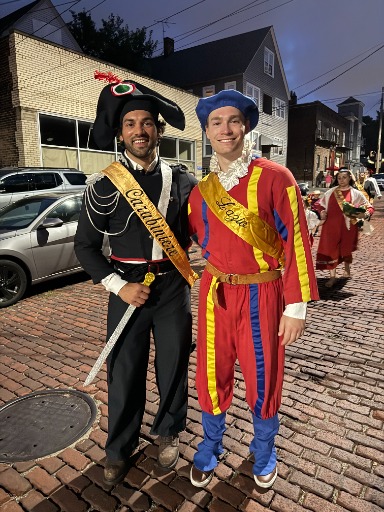
    Anthony with Roman Casciani (an Inizio officer) at the Feast of the Assumption 


    What are some of the benefits of Inizio membership?

    Especially for younger people, a significant benefit is being able to say that you’re involved in things outside of just your work. You’re engaged in a community: something bigger than yourself, which is not so common these days. It’s easy to be involved in things online and virtually, but we’re trying to host events where you can be there in person and network. There are a lot of successful Italian Americans in the Cleveland area, so this is a good opportunity for those people to meet and actually shake hands.


    Outside of that, when you get your ISDA membership (since Inizio is an official Lodge of ISDA), you will receive all the benefits of being an ISDA member. The biggest of them is the newspaper that they send out. There’s just a ton of good content in there, including a book review that Pamela Dorazio Dean does every month, along with Italian words and phrases and translations, lodge events and updates, and recipes—just good content around the Italian community.


    What do you hope to share with the Italian American community?

    I work very closely with Pamela, who serves as the Museum Director of the Italian American Museum of Cleveland, which is our headquarters.  And I’ve also been working with Dina Vitantonio, the Chairperson for the Little Italy Block Club.


    When I send out our monthly newsletters, I include not just information about our events with Inizio and ISDA, but also about events hosted by the museum and the Little Italy Block Club. The club’s goal is to engage younger people, and that doesn’t necessarily mean that they have to attend Inizio events; it’s about any way that they can get involved.


    I’m happy to promote anything in the Italian American community to get people involved. The goal at the end of the day is for people to learn more about their culture and have fun.

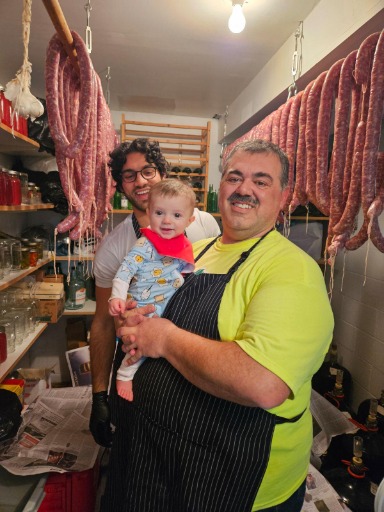
    Anthony and his father teach his godson, Vincenzo, how to make sausage.


    What would you like to share with the broader community?

    Italian culture is more than just some hand signs, movie characters, or TV show personalities. What’s really good to see is that the Italian community is so tight-knit. Everybody forms these really close bonds, and that’s what the broader community should see.


    It’s not just having a meal, it’s sharing a meal with other people. It’s not just meeting, it’s having really close connections with the people that you’re meeting with. And it’s very inspiring to see others who have this same goal in mind: to bring the Italian community together.


    I hope to inspire the broader community as well and show what you can have when you go bigger than yourself, when you contribute to the community.


    If you enjoyed this article, consider subscribing to my newsletter for more content and updates!
  • 90 Years of Tradition: San Francisco’s Madonna del Lume Celebration

    90 Years of Tradition: San Francisco’s Madonna del Lume Celebration

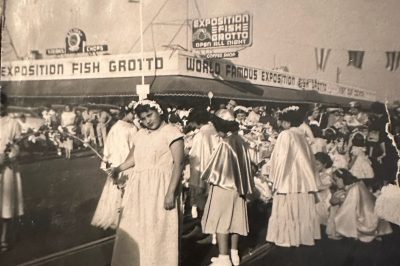
    For 90 years, San Francisco has honored Festa della Madonna del Lume, a tradition brought to the city by La Società di Maria Santissima del Lume, founded by Sicilian women from Porticello, my ancestral home. 

    In Sicily, the Festa is the highlight of the year: a nine-day celebration featuring fireworks, food, and a large procession in which the image of Madonna del Lume, the patroness and protector of the sea, is carried from Chiesa Di Maria Santissima Del Lume through town, placed on a fishing boat, and paraded on the Tyrrhenian Sea to a sacred shrine. Part of that procession is featured within the pages of The Last Letter from Sicily, which is partly set in Porticello.


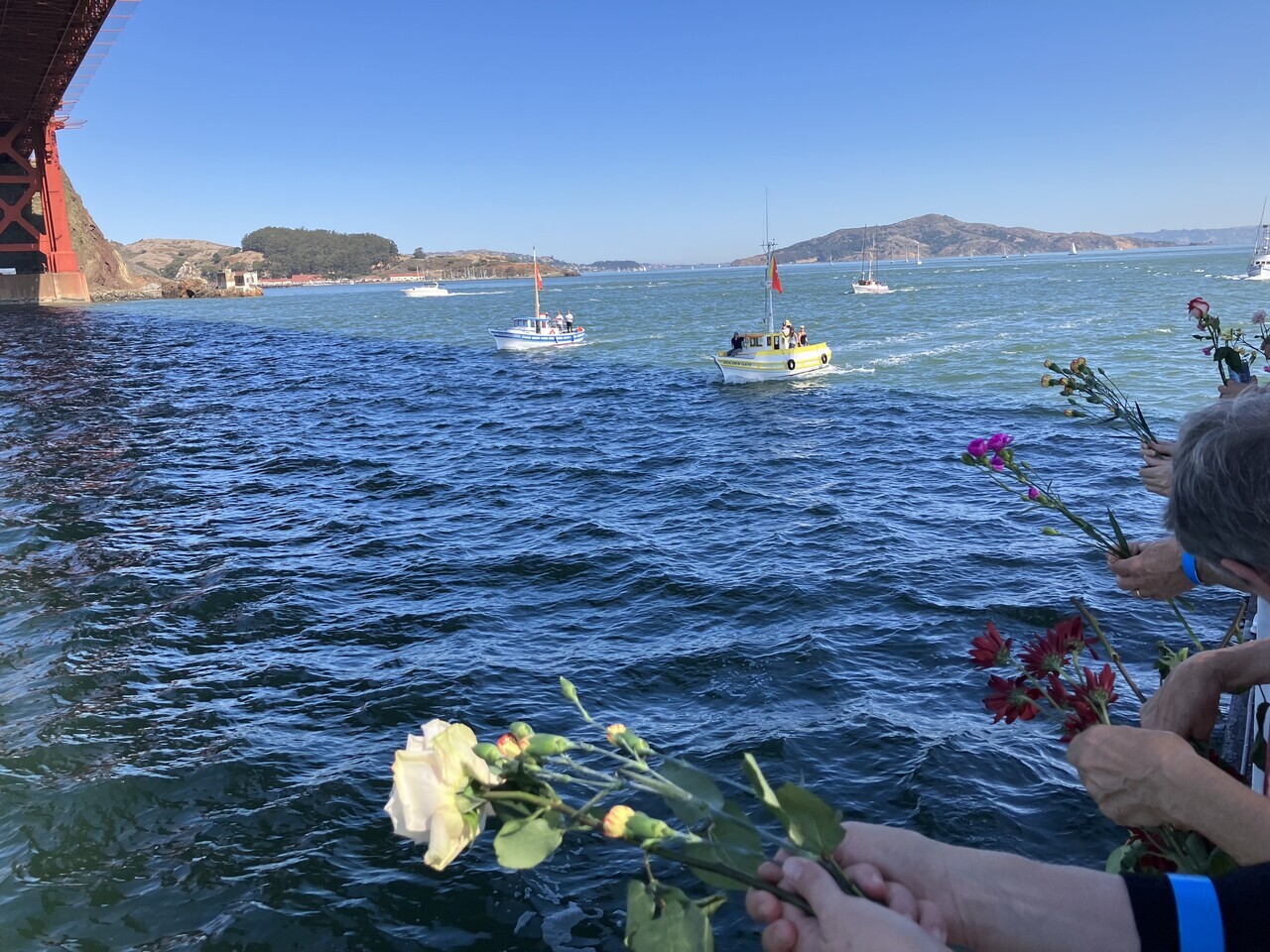
    This year, on October 4–5, the community will gather for a Memorial Mass at the Fishermen’s and Seamen’s Chapel, a moving ceremony at sea and fishing boat parade beneath the Golden Gate, the High Mass at Saints Peter & Paul in North Beach, and the beloved procession to Fisherman’s Wharf for the Blessing of the Fishing Fleet. The weekend concludes with a festive community dinner featuring music, food, and fellowship.

    The Festa remains a living connection across generations, a way to honor loved ones lost at sea, celebrate heritage, and keep Sicilian traditions alive in San Francisco.


    Saturday, October 4

    • 10:00 a.m. – Our Lady of the Light Memorial Mass at the Fishermen’s and Seamen’s Memorial Chapel at Fisherman’s Wharf, Pier 45. This is a religious service dedicated to the memory of fishermen and seamen lost or passed at sea.

      * Visit Madonna del Lume Society’s Square Site to donate toward the costs associated with flowers handed to everyone on board for the Memorial at Sea.

    • 11:15 a.m. – Memorial Ceremony at Sea and Fishing Boat Parade, honoring all fishermen and seamen lost or passed at sea. Bring flowers for the Ceremony. (Prior registration required.) 

    • 6:00 p.m. – “Light up the Tricolore” Ceremony at the SF Italian Athletic Club. Details: https://sfitalianheritage.org/events

    Sunday, October 5

    • 11:45 am – La Madonna del Lume High Mass at S.S. Peter and Paul Church (Filbert & Powell Streets in North Beach)

      * Pick up a parking pass for Filbert Street in the Church entryway before Mass

    • 1:00 p.m. – “Spuntino” in the gym. (Prior registration required.)

    • 1:45 p.m. – La Madonna del Lume Procession lineup starts in front of S.S. Peter and Paul Church. It proceeds down Columbus Ave. to Fisherman’s Wharf, where it concludes by Pier 45 at the Fishermen’s and Seamen’s Memorial Chapel for the Blessing of the Fishing Fleet at approximately 2:30 p.m.

      * Cable car transport – Priority given to elders + those with physical limitations. 

    • 4:45 p.m. – Family & Friends Dinner, featuring accordionist George Campi and a photo booth, at SF Italian Athletic Club. Includes a glass of wine. (Prior registration required.)

    Membership: forms.gle/eXcPsZFtXrs2hwxm9
    Facebook: Madonna del Lume San Francisco
    Instagram: @madonna_del_lume_sf
    Mailing list: MDLnewssf@yahoo.com

  • How a San Diego Nurse Practitioner Turned Her Passion for Italy into a Boutique Travel Company

    How a San Diego Nurse Practitioner Turned Her Passion for Italy into a Boutique Travel Company

    Working in tourism was never on Amy Chambers’ roadmap. As a student at San Diego State University, she immersed herself in cell and molecular biology, not language or culture.

    But a study abroad trip to Florence in her twenties changed everything. What began as a detour became a lifelong passion, leading Amy to spend months at a time in Italy over the past two decades. Along the way, she cultivated deep friendships and a nuanced understanding of the country and its culture.

    That love of la dolce vita inspired her to cofound the Scappare Travel Club (from the Italian word for “escape”) with fellow Italy enthusiast Maria Goldman, whom she met while studying Italian more than a decade ago. The LLC officially launched in January 2024.

    Although she still maintains her career as a nurse practitioner in urgent care, internal medicine, and pediatric psychiatry (negotiating time off for extended stays in Italy), Amy pours equal energy into her business. By design, the company offers intimate, small-group tours that eschew conventional tour operators in favor of a trusted network of local friends, opening doors to sights, foods, and experiences that most travelers never encounter.


    Amy discussed the origins of Scappare, the philosophy behind its boutique approach, and why sharing Italy with others has become such a personal calling.


    Where did the idea for the Scappare Travel Club come from?

    The idea for it started a long time before we formed the actual company. I went to study in my twenties and lived in Florence for a while.


    It took a little while for me, but after I assimilated, I felt a sense of home there, not in the same way I feel at home here, but with a sense of belonging. And it opened something in my heart.

    I felt a different way there. I developed a deep-standing love for the Italian way of life, and when I left, I felt the need to return. So, I did the next year and kept going back year after year.


    I also wanted to learn more about the culture and the language. So, I spent the next 10 years studying Italian and learning Italian. And once I learned the language, I went back even more because, for me, learning the language is like the key that unlocks the door to a whole different culture, way of doing things, and way of looking at things: eating, relating to people, conversing—all of it.


    Italy is now a meaningful part of my life, one that I hold dear and cultivate. Starting the Scappare Travel Club came from that. It came from my love affair with Italy. It’s nice for me to see that love affair develop in other people, too.


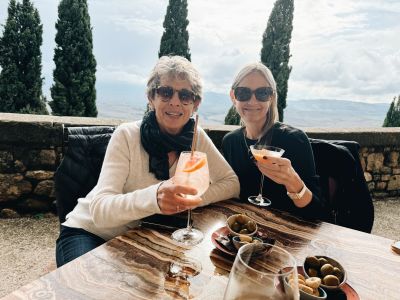
    Scappare Travel Club Co-founders Maria Goldman and Amy Chambers enjoy an aperitivo in Pienza, Italy.

    How did the business idea become a reality?

    I met Maria 12 years ago while studying Italian at the Italian Cultural Center here in San Diego. She was learning Italian at the same pace that I was.

    As a nurse practitioner by day, I have been able to spend two to three months a year in Italy, so I’ve been able to realize my dream of sharing the magic of Italy with other travelers. And people began to want to experience what that was like.


    So, Maria and I got together and thought, “What if we could do this formally? Maybe even people who don’t think they want to go to Italy could experience its magic—but in a way that’s different from typical tourism.”


    My dear friend Andrea drives us around Tuscany, and our friend Massimo is a nationally licensed tour guide in Sicily from Ragusa. We love to share backdoor experiences with small groups. You eat at restaurants that tour companies don’t send you to. You meet our friends, you become friends, too.  


    Amy with Local Friends in Montepulciano, Italy


    Share the significance of the name Scappare.

    It means “to escape” in Italian, and I wanted to name the company after this concept. I wanted the name to be a hybrid of Italian and English, like me.


    I’m from California, but I wanted to include Italian words, and I actually received a lot of pushback about that. I heard, “If you name your company with an Italian word, no one’s going to know what you are. No one will know what it means. They won’t know how to look you up. It’s going to be confusing.”


    I felt that people would be able to relate to the feeling of getting on a plane and escaping their everyday routine. That feeling of escaping and flying away is the best. For me, knowing Italy is on the other end of that destination is a very important and meaningful feeling. Escaping to Italy is my love in life. 


    Not that your life here is not important, but escaping to Italy is just the best thing ever. It’s the best place on earth, according to me!


    So, I wanted to have that feeling front and center in the name of my company.  There’s some fun in explaining it to fellow travelers. And when I do, people can relate even though it’s not in English.


    Amy with her friend Paolo, who leads Florence walking tours for Scappare Travel Club.
     

    What does that concept look like in practice?

    Our signature trip is the Florence and Tuscany trip, and our Italian friends arrange the ground transportation. We have Paolo, a friend of mine whom I met years ago, who does walking tours of Florence.


    Many people organize tours, and they take larger groups than we do. We want to maintain the boutique, small-group experience.

    With us, you’re traveling with friends. Maria and I (at least one of us) are always there on the trips. We’re not necessarily doing all of the activities, but we are there in the background or in the foreground, so that our guests have a familiar face close by.


    We like to get to know our guests; we don’t just put together a tour and say, “Okay, go have fun.” We are there with them.


    Many tour companies work with destination management companies in Italy and create packaged tours that they pay for. While we do work with destination management companies (sometimes for the bare bones of the tours), we don’t package everything with them. We actually pay extra to use our own people that we know and trust.


    Maria and I go on research trips and meet people. We vet every single hotel. We meet tour guides ourselves.

    We want people to see the authentic Italy. Not a restaurant that’s front and center in the Piazza, where you’ll be overcharged or there’s a tourist menu, but the restaurant five blocks away, where you might have to walk, but Massimo’s friend owns it.


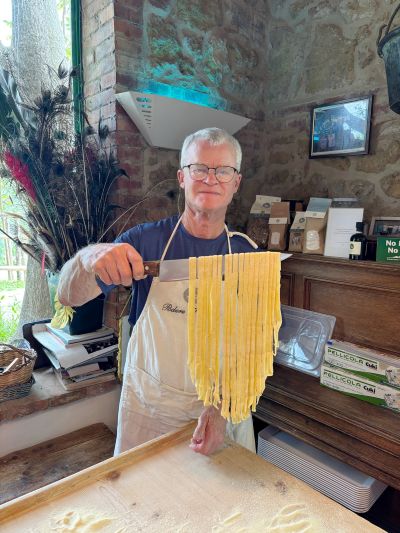
    Scappare Travel Club guest Glenn shares pasta he made in class as part of a farm tour in Tuscany. 


    What advice would you offer to someone who wants to pursue a similar path?

    Be prepared to take out the trash and do all of the things. It’s not just about your vision.


    I love Italy and I love to talk about it, but when you’re starting a business, there’s a lot of nitty-gritty work on the backend, and things I’ve had to learn how to do on the business side that are new to me. But I’m willing to do it.


    I started this company because of my love for Italy. I love the feeling I get when I go there. I love the culture. I love its history. I enjoy discussing it with people. Italy has done so much for me personally in my life.


    I started the company to promote that feeling, that affinity. I want to share that. 


    People start companies for all kinds of reasons: for profit, necessity, or as a hobby. Mine was for the genuine love of Italian culture and people. So, keeping my day job and starting slow was the way to go for that. Eventually, I’d like the company to grow so that more people can experience the magical feeling I have felt.


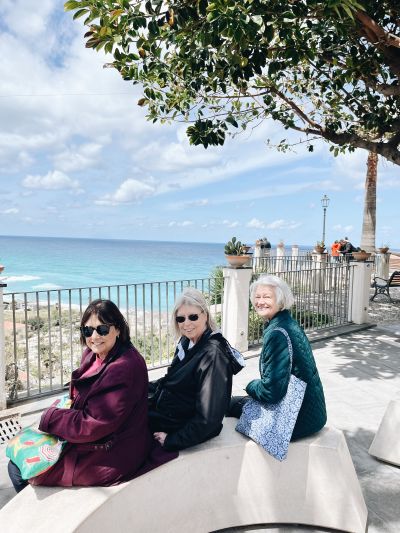
    Scappare Travel Club guests Carol, Carol, and Pamela in Calabria, Italy  


    What do you ultimately hope to share?

    When we travel, we expose ourselves to things outside of our own bubble. And when we expose ourselves to different things that, at first, are uncomfortable, like the discomfort of being in a different place with a different language, it breeds tolerance. The less exposed we are, the less tolerant we become.


    Italy is an incredibly special place. I’ve traveled to lots of places in the world, but, in my opinion, there is no place like Italy. There is no place like the culture and the people, the language, the way of life; it speaks to me.


    I want to show people the magic that it is. And I know not everybody will be as passionate as I am, and people have different affinities towards different places, but Italy is amazing! It’s magical. It draws you in. It’ll make you want to go back.


    I want people to see and experience that.


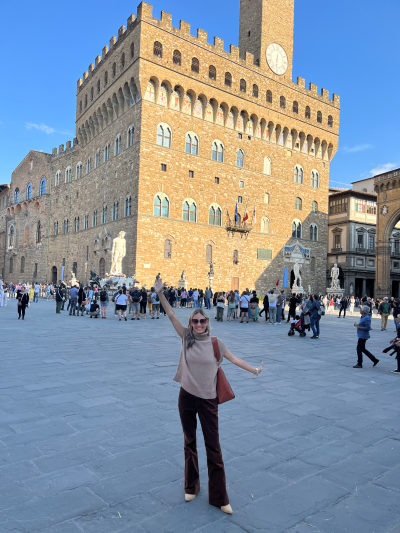
    Amy at Mercato Centrale in Florence  


    If you enjoyed this article, consider subscribing to my newsletter for more content and updates!
     

  • Remembering Nonno Gaetano Agnello: A Legacy of Love and Loyalty

    Remembering Nonno Gaetano Agnello: A Legacy of Love and Loyalty

    Nonno Gaetano Agnello would have been 109 years old today. Or was it today?

    As the story went, the Agnello family was never entirely sure of the exact day when his mother, Maria Squadrito, gave birth to him in Santa Flavia, Sicily. His birth certificate was filed weeks later. 


    Nonno had two brothers, Pino and Salvatore, and two sisters, Anna and Agostina. It was through Agostina that he met his future wife, my Nonna Concetta, who lived in the neighboring town of Porticello. Nonna told us that he would act as a priest and baptize the girls’ dolls.

    In the summer months, he enjoyed swimming in the Tyrrhenian Sea. He was quite the diver and must have been a strong swimmer, as it’s been said that he swam all the way out to Castello di Solanto, once a holiday home of the King and Queen of Naples

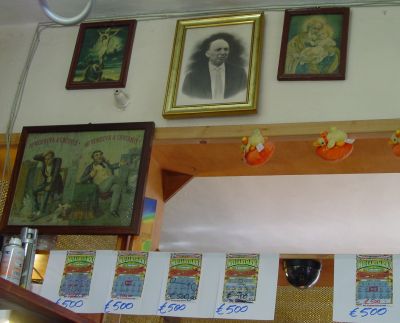
    Nonno’s father, Salvatore, was a veteran of World War I, and for his service, he was awarded a business license. He opened a tabaccheria in Porticello, where his portrait hangs to this day (between pictures of Jesus and Saint Joseph). That store remains in my family, now owned by Nonno’s great-nephew and my cousin, Massimo. It’s just down the street from Chiesa Di Maria Santissima Del Lume, where Nonno was baptized and married. 


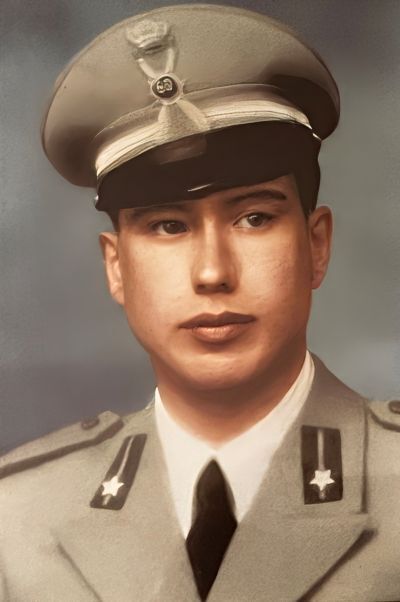
    In 1938, Nonna’s family left Porticello, while Nonno remained in Sicily. When Italy joined the war on June 10, 1940, he was sent to serve with the Italian Army in Cagliari, Sardinia. But in later years, he rarely, if ever, discussed what his service entailed. And when anyone asked, he was quick to add, “My loyalty was with the king,” meaning Victor Emmanuel III over Benito Mussolini. 


    Source: Wikimedia Commons


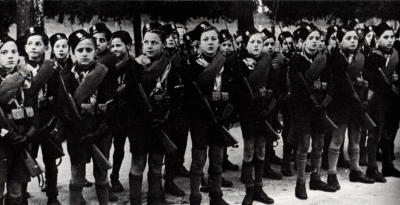
    But the reality was less black and white. Nonno and Nonna had both participated in Fascist youth groups. Why? Well, for one thing, there was little choice.

    The Fascist youth organization Opera Nazionale Balilla (ONB), founded in April 1926, was closely tied to Italy’s education system. Boys and girls were divided by age into groups focused on physical training, discipline, and loyalty to the regime. Membership was compulsory up to age 11 (extended to older children in 1937). Staying enrolled brought benefits such as jobs and scholarships, while opting out meant limited access to education and civil service, and often marked families as potentially antifascist.

    Nonno, like many of his compatriots, was likely conflicted. He’d been groomed to be a loyal Fascist, but as a soldier, he was poorly equipped, with outdated uniforms, weapons, and technology. In Cagliari, he would have endured years of relentless bombings, with conditions becoming especially deadly in 1943, when U.S. Air Force bombers began operating from airfields in Algeria and later Tunisia.

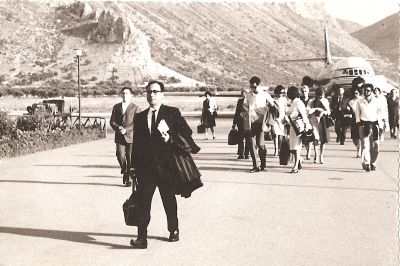
    Nonno on a return trip to Italy, likely in the 1960s. He was the only member of his nuclear family to emigrate to the United States. 


    But he shared none of that. He would change the subject and turn the page in his ever-present, worn English dictionary to a new word on which to quiz me on vocabulary. Language was important. He’d struggled with learning English enough to know that. At other times, he’d pose philosophical questions, such as, “If space is fixed but time has moved, can one truly meet themselves in the same location?” One day, he handed me a weathered copy of The Divine Comedy, a treasured gift I keep on my shelf to this day.


    His interests extended beyond the books. He had a green thumb. Along with rows of All-America Rose Selections award winners, he grew fruits and vegetables from seeds shipped from Sicily. Among these were his prized cucuzzi, which grew to the size of extra-long baseball bats in a six-foot-tall cage, and tomatoes, which he would sun-dry for Nonna to use as tomato paste. 


    He also loved animals. In addition to his two dogs, Heinie and Jude, who ate a version of whatever Nonna was cooking that night, he loved to watch and feed a backyard squirrel friend he’d named Nutty. 


    And he had a sense of humor. During one family visit, he approached Nonna and asked, “Why don’t you kiss me like you used to?”

    Nonna laughed. She had just seen him place a hot pepper on his tongue. She loved him, but she knew better.


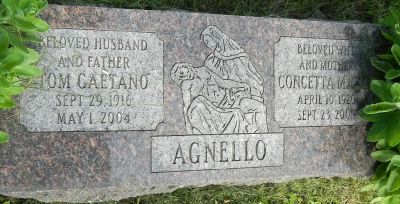
    Nonno passed on May 1, 2004. Nonna refused to celebrate Mother’s Day that month and wore all black for the next year and four months until her own death on September 23, 2005. Beneath a single gravestone, they were buried side by side.


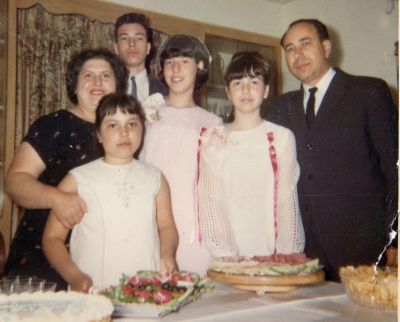
    Nonna Concetta and Nonno Gaetano with their children, JoAnna, Salvatore, Santa Maria, and Maria, in 1966


    Nonno and Nonna are gone, but their stories and lessons remain with us. Through their love, loyalty, and resilience, they left a legacy that not only shaped their own family but also the values we carry forward today. Their experiences inspired me to write The Last Letter from Sicilya story about a promise that guided two young lovers through even the darkest times: to find each other, no matter the distance or the war. I am honored to share that story with the world.

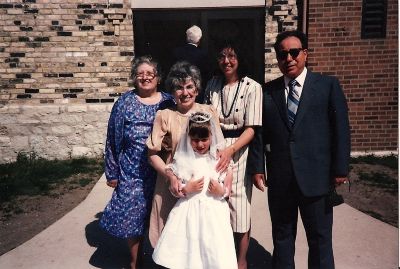
    Nonna Concetta, Auntie Jo (Giuseppina), my mother, Santa Maria, and Nonno Gaetano at my First Communion ceremony. 


    Learn more about The Last Letter from Sicily, inspired by my grandparents’ story.

  • Reluctant at First, Captivated for Life: Embracing Sicily

    Reluctant at First, Captivated for Life: Embracing Sicily

    Connie Milano wasn’t keen on leaving California for her Sicilian husband, Gino’s, more remote hometown, high in the Erean Mountains. Born in Scotland, she moved to Santa Barbara as a young woman and, over the course of four decades, carved her own niche in the vibrant coastal community.

    “I’ll move to Sicily, and we’ll buy a house there, but I don’t want to live in Enna,” she told him, finding it too small and isolated.

    But that changed when Gino shared a video of a villa he’d located just outside Enna and above Lake Pergusa.


    “I did see the potential,” Connie recalls.

    A self-described “workaholic” and salesperson, she and Gino converted the home into Villa Isabella Bed & Breakfast (named after their daughter), catering primarily to former clients from their Santa Barbara restaurants. While it lacks the coastal breezes and buzz of city life, it more than delivers with stunning Mount Etna views, natural beauty, and rich history. Still, with two newborn grandchildren (twins!) in Philadelphia, this Nonna of seven wonders how much longer she and Gino will keep the villa they so lovingly built.


    She’s not only fallen in love with Enna; she’s become one of its biggest boosters. But life as an expat isn’t all lemon groves and volcano views.

    Adapting to Sicilian life has required overcoming a language barrier and cultural differences. However, those challenges are part of the adventure—and a chapter of the book she hopes to one day publish.


    Connie shared more about her journey and its rewards, highlighting both the struggles and the joys of her life in Sicily.


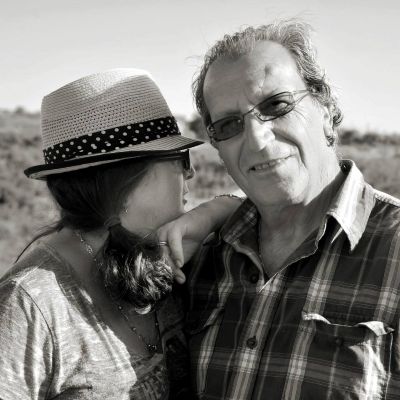
    Connie and Gino Milano

    What challenges have you encountered while adjusting to life in Sicily?

    Language for sure. I am just not a language person. I’ve tried it, and I’m not.


    People say to me, “But you’ve been coming here for 29 years!”


    I understand it more than I give myself credit for. But to actually have a full-on conversation… I use Google Translate to talk to people, and it’s not the same, but it’s what I do, and I survive. So, language, the pace of life, and how things are done here.


    I’m challenged every day. I’m challenged by the way people drive. I’m challenged by people smoking when I’m trying to have a cup of coffee. I’m challenged with trying to communicate. But I deal with it, and I’m not going to complain about it. This is their country.

    After being here for 29 years, I’m a lot more forgiving. I was the one who chose to live here.


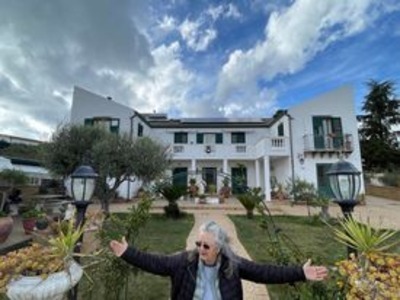
    Villa Isabella is just outside of Pergusa in the province of Enna.

    Share more about Villa Isabella.

    It’s a large villa set in a lovely location with an amazing view. And we’re in the countryside. We’re a seven-minute drive from Pergusa. And Pergusa is famous for a Formula One racetrack from the late sixties (now used mainly for car shows and bike shows), and it’s around a famous lake, which goes back to Greek mythology called Lake Pergusa.

    There was a young goddess called Persephone, who was kidnapped by a god. He took her to the lake and kept her there, and he made a deal with her mother. And that’s where the four seasons came from.


    We also have a Norman Castle. Enna is over 3,000 years old. We have a gorgeous cemetery and a beautiful museum. So, there’s a lot to see in Enna. 


    Enna’s got a lot of charm. The people are lovely. It’s also safe.

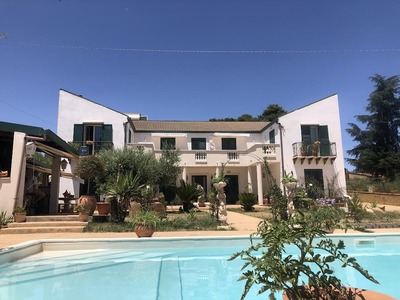
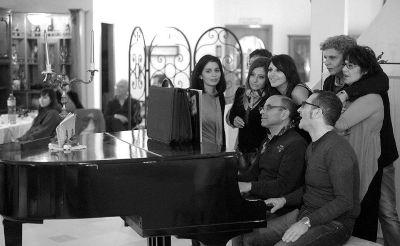
    The villa itself is pretty tranquil. It’s pretty big. There are two levels. The bottom is a huge room with a grand piano and a professional kitchen.


    It’s a fun space. There are six bedrooms upstairs, two bathrooms, and a small kitchen. And we built a swimming pool. I usually have a vegetable garden. I’ve had cats and dogs.


    One of the things I love about Enna is that we are the belly button of the island. We’re right in the very middle. I’m 10 minutes from the freeway when I go down the road, which has been getting renovated for as long as I can remember. I can go on the freeway and be in Catania in one hour and 10 minutes. I can be in Palermo in less than two hours.


    Villa Isabella guests and friends participate in a sing-along.


    Tell us about your clientele.

    Ninety-five percent of the customers who have come here over the years come from our restaurant businesses. I always had a guestbook in the restaurants and spoke to people. Our restaurants were always very Sicilian, because Gino was from Sicily, and we would put up the Sicilian flag.


    I’ve been in retail, so I really adore and realize the value of a customer. If you don’t treat them with respect, it’s a two-way street. So my customers became friends. If you come into my restaurant with a baby, I’d say, “Give me the baby. You enjoy your pizza.” And I would walk about the restaurant, talking to people, taking orders, and holding the baby.


    That’s just the way I am. It’s the way I was brought up. I come from a very close-knit Scottish-Irish family, but the restaurant business gave me a lot of customers, and most of the people who have come over the years have come from the restaurants.

    I don’t look for the business, to be honest. It comes to me.


    Guests learn to cook and appreciate all of the flavors of Sicily.
     

    How did life change once you opened your doors as a business?

    I obviously had to make sure that I was organized and ready to give customers the best experience of Sicily and a wonderful experience with us, because they were coming from the other side of the world to spend time with us. I wanted their memory of Gino and me to be a good one.


    Anybody who comes here is my ambassador for sending other people. We bought a minivan because we would get people who would say to us, “We want to come to Sicily, but we don’t really want to drive. Where do you recommend?”


    So, I put together little packages. I’ll say, “You want to go have pizza and see the Villa Romana del Casale in Piazza Armerina. We’ll take you.” Or “You want to go to Agrigento and see the Greek temples? We’ll take you.”


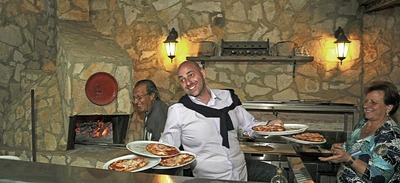
    I progressed into not just a B&B and a cooking school. I always say to people, “What do you want to learn how to cook? Do you want to learn how to cook pasta from scratch?” And they say, “We want to know how to make the meatballs that Gino made in the restaurant or the tiramisu that you made.” So, we just go with the flow.


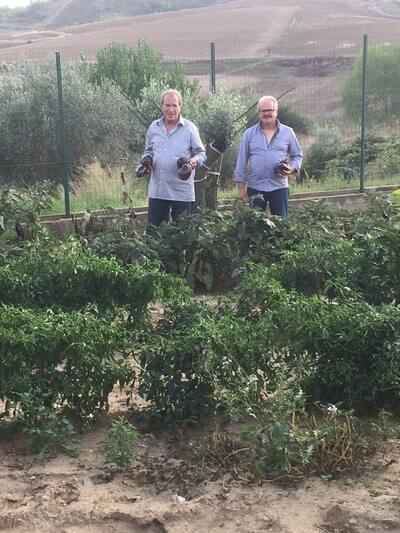
    Gino and Carmelo harvest eggplants in the garden.

    For those dreaming of relocating to Italy, what’s one piece of advice you’d offer?

    Do your homework. I’m on many, many different websites. I have many friends all over the island now because I’m very outgoing, and I meet people. I’m noticing that many people didn’t complete their homework. They went to a town to buy a Euro House that ended up costing them 70,000 euros in a town that’s literally dead.


    Rent before you buy, and make sure that you can legitimately live here, that you can get your permesso di soggiorno status


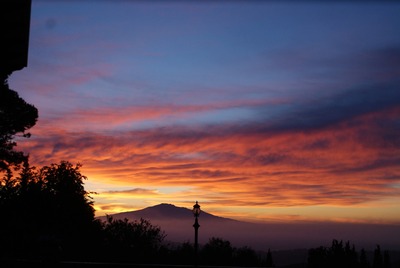
    Sunset over Pergusa

    What’s one lesson or realization that continues to guide you today?

    This was an adventure that I’ll never regret. Sicily is so stunningly beautiful, no matter where you go. And the people are lovely, and so is the history.


    You could do something here every single day for the rest of your life, and you’d never be bored. Never. It can be overwhelming.


    Some people say things like, “When you put your bare feet on the land…” I’m more of a realistic person than one of those people, but I’ve actually tried it. I took up yoga here and meditation, and there’s something about this island that just gets to you. Maybe it’s the antiquity. There’s just something that calls me. 


    If you enjoyed this article, consider subscribing to my newsletter for more content and updates!
  • Beneath the Sicilian Stars of San Diego with Convivio Society

    Beneath the Sicilian Stars of San Diego with Convivio Society

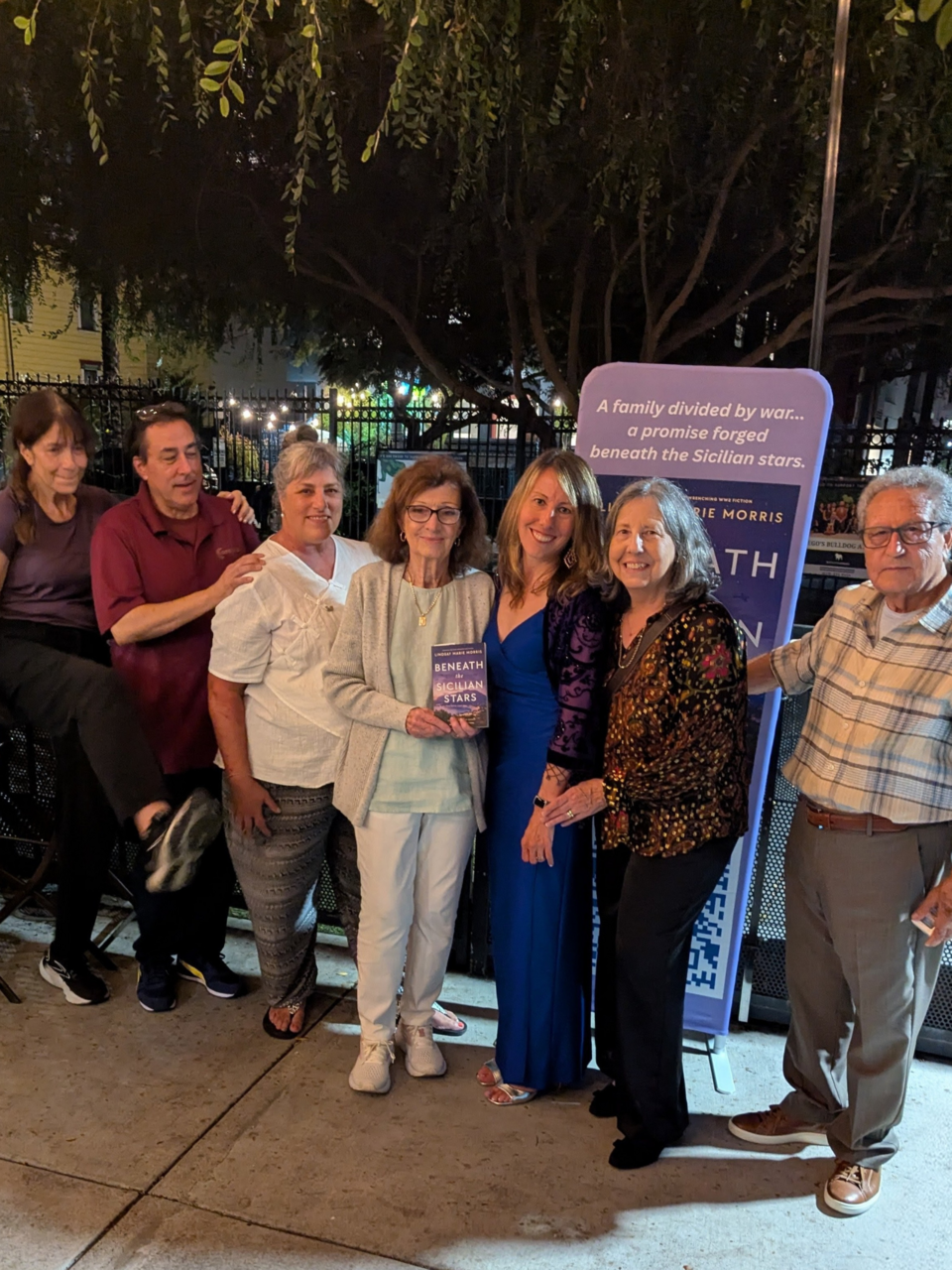
    Thank you to the Convivio Society for such a warm welcome to San Diego’s Little Italy on September 18. The evening began with an aperitivo featuring vino courtesy of Scappare Travel Club and a table of appetizers and Beneath the Sicilian Stars book cover cookies courtesy of Dottie’s House of Sweets.

    It was an honor to read from my novels and share behind-the-scenes stories with such an engaged group. Founded in 2003, Convivio honors the Italian immigrants who helped build the local tuna fishing industry and founded many businesses. Many of those individuals came from Porticello, Sicily, my ancestral homeland featured in The Last Letter from Sicily. It was wonderful to meet guests who had visited the town and knew Chiesa Santa Maria del Lume, where my grandparents were married.

    Sharing Beneath the Sicilian Stars, which explores the hardships Italian immigrants faced during World War II, was especially meaningful. Many San Diego Italian and Portuguese fishermen had their tuna boats requisitioned by the Navy, refitted with weapons and radar, and sent across the Pacific. And the crews were absorbed into military service.

    After the war, the fleet sustained San Diego’s tuna industry for decades, but by the 1970s and 1980s, environmental regulations, declining tuna stocks, rising costs, and the closure of the last cannery in 1984 led to a decline in large-scale tuna fishing. Interstate 5 displaced many families, yet businesses and places of worship like Our Lady of Rosary Church endured. And fishing has evolved as well, with many anglers embracing more sustainable methods.


    Today, Little Italy thrives as downtown San Diego’s oldest continuous neighborhood business district. The history of the fishermen and their legacy can still be felt along the waterfront and Piazza Della Famiglia. Convivio translates to “banquet,” and I am grateful to have been invited to their table.


    Check out my list of upcoming appearances.

  • How Old Forks Farm Became a Sanctuary of Soil, Family, and Community

    How Old Forks Farm Became a Sanctuary of Soil, Family, and Community

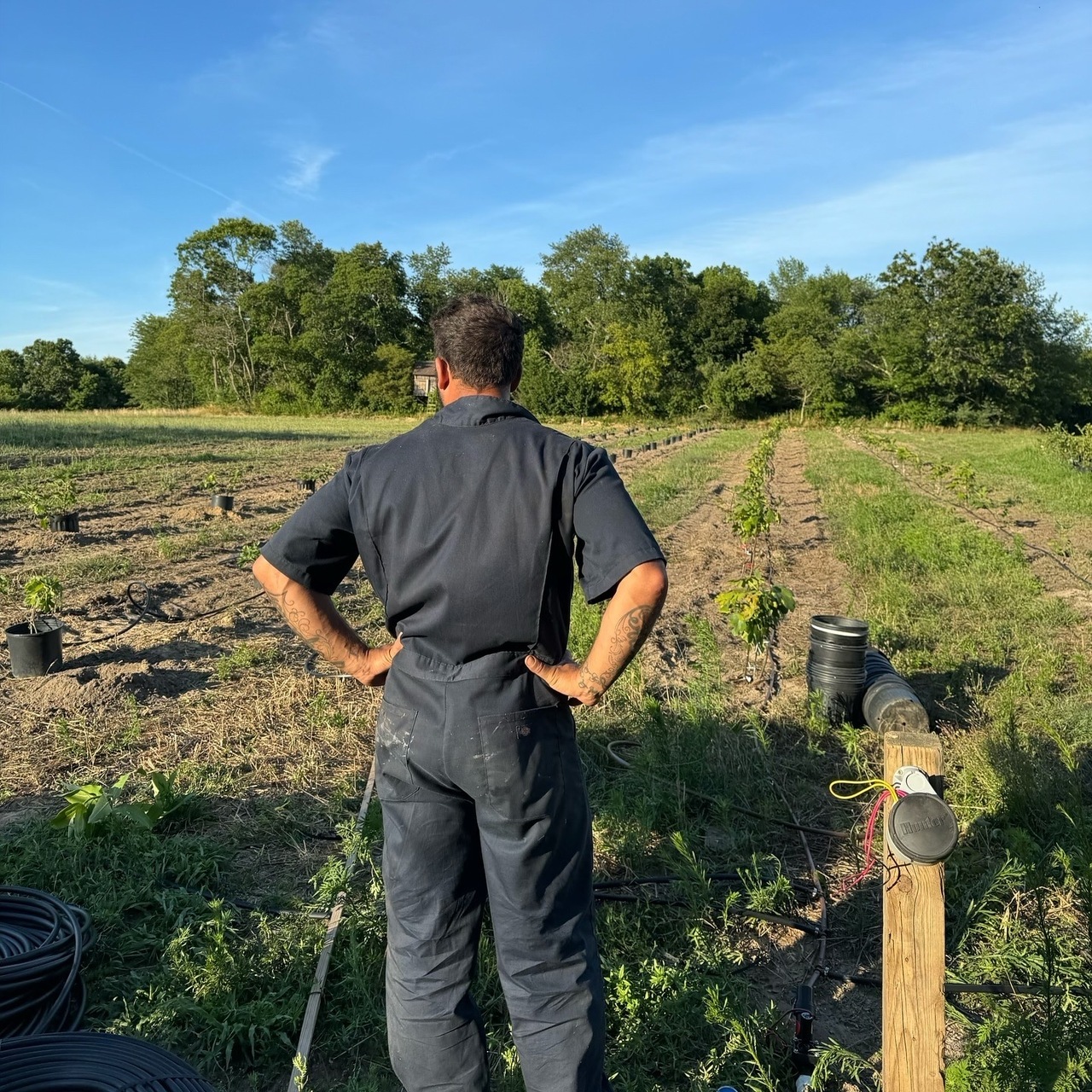
    Angelo J. Grinceri III never intended to be a farmer. He left his home in New Jersey for New York City to work in fitness and real estate. But his work for a large developer, learning about taxes and zoning and navigating the intersection between private and state legislation, led him back to his family’s land and roots.

    Today, Old Forks Farm has emerged from a plot of land in Hammonton, New Jersey, which Angelo’s great-grandfather, Sebastiano Grinceri, once farmed. Born in Castanea delle Furie, Sicily, Sebastiano arrived in the early 1900s aboard a ship out of Messina. At that time, the Atlantic City Railroad owned the property where he found work. He and his wife, Rosa, ultimately embraced the American Dream and purchased the land to grow tomatoes, potatoes, and peaches, as well as to raise pigs. 

    “On a daily basis, I think about how he left his world and worked for someone else and then had the ability to purchase that land and do something with it,” Angelo says. 

    After much sweat and paperwork, Angelo now oversees 30 acres of about 20 crops, including figs, privacy trees, lemons and oranges, cucumbers, carrots, peppers, peas, string beans, and sunflowers (along with a recently acquired blackberry property, operating under Curated Nature).


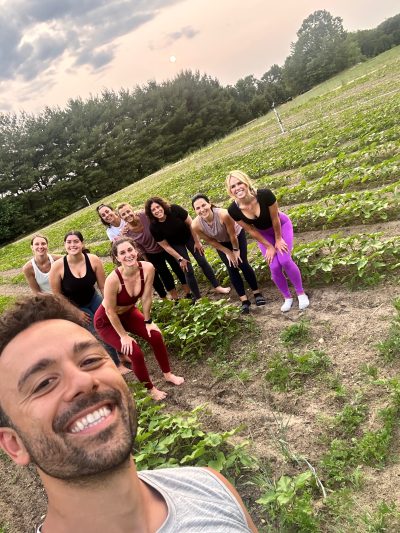
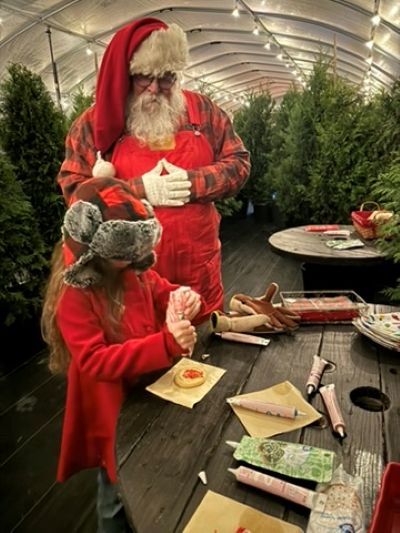
    In addition to its fresh produce, the Old Forks Farm market sells honey, jams, and bread. They also offer opportunities to pick your own blackberries in July and celebrate with a visit to Santa’s Farm Festival on Thursdays, Fridays, and Saturdays in December. The farm hosts onsite kids’ workshops and fitness classes and rents space for events and activities, such as weddings and family photo shoots. 

    Angelo shared his inspiration, experience, farming practices, favorite crop, offerings, and what he ultimately hopes to deliver.

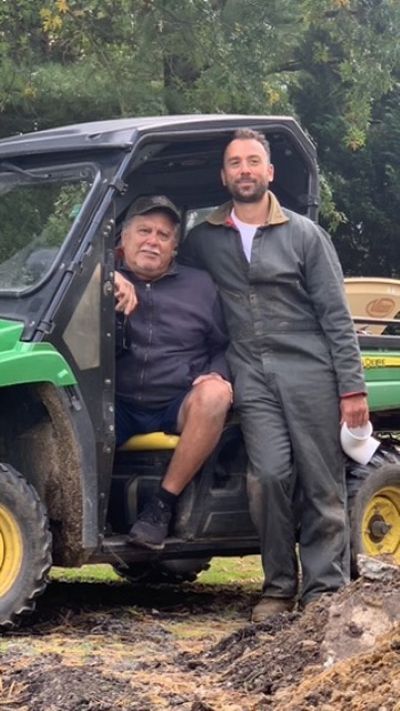
    Angelo J Grinceri III with his father, Angelo J. Grinceri Jr.

    How and why did you start Old Forks Farm?

    Since I was born, my father had been using the property, which he called Old Forks Holly Farm, to operate a small nursery where he grew privacy trees.


    When I was around 33, I was watching my dad get older, and I really saw how much time and attention are required for the land to be of value. I felt a massive sense of responsibility. I realized that no one would take care of your things unless you chose to do so.


    I decided it shouldn’t just be an overgrown piece of land. It should be something that’s curated and taken care of. That became a driving force behind everything that I was doing. It was the emotional and financial driver because I equated a lot of my purpose to revitalizing and rebuilding that farm into something that could be really special.


    It was interesting because our farm, which is now very legal, wasn’t actually a legal, tax-identified farm. The first thing I did was contact the USDA, and I found out what was required to make it a farm again.

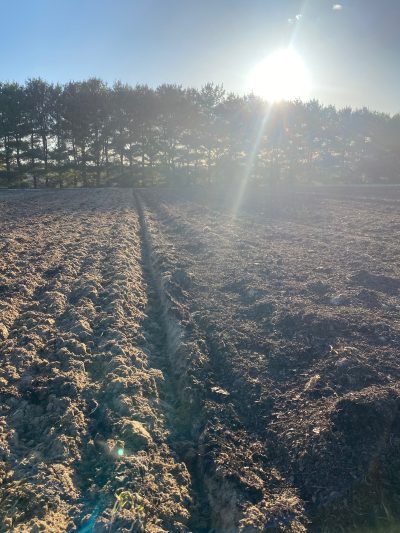
    The property had a few issues. A large part was overgrown by woods, and another, which was a big issue, was that there was no more topsoil in the area that was to be farmed. It was gravel and sand.

    Apparently, over the past 30 or 40 years, there was a lot of wind, and there wasn’t a wind barrier of trees. All that topsoil got blown away and wasn’t managed appropriately.


    The first thing I did was work with the USDA. We created what’s known as a farm conservation plan. That was the first step in becoming a legally identified farm. It gave us access to the USDA’s professionals and expertise. It helped us understand what to do with the soil and what that property specifically needed: a lot of soil regeneration.


    One of the most natural ways to regenerate the soil is to take in leaves like decomposing plant matter. You can’t accept those things onto your property in New Jersey unless you are cleared and registered with the New Jersey DEP. We had to go through this whole approval process to be able to accept leaves from different towns and local municipalities because leaves from a town are considered a waste product. We did that, and we’ve been working with them since 2020, really focusing on that.


    Angelo worked with the USDA on a soil regeneration program.

    What farming practices have you employed?

    The first and biggest thing we did was figure out how to bring water throughout the entire property. We had to run large main-line irrigation systems.

    The second thing was soil regeneration. So the soil regeneration program that we did with the USDA consisted of three different parts for about four years: collecting leaves, letting those leaves decompose for two years separately in a pile, and then spreading those leaves throughout the property every year. We did that with a manure spreader.


    We also plant cover crops. Tillage is a large part of what destroys soil health. Say you plow and overturn the soil, and there is no covering over it. What you’ll see in most conventional farms is that they’ll go through their summer crop and then till the soil in the fall right before the winter, leaving the soil bare all winter long.


    Winter is the windiest time, so all that soil is being blown and also dried out. The wind also dries out the biochemistry of what makes healthy soil.


    One of the practices that we really took on was cover crops. As soon as we’re done with the crop season for the summer (or even the fall, sometimes), we plant different types of things over the entire property. We chose different species that would also cover nutrient regeneration.


    The third thing is that we planted a wildflower field. The USDA had a specialist come to identify the specific wildflowers and collection of plant flowers that would best support bee pollination. We had to get a custom-made seed mix, and it was a blend of 20 different native species. This special blend of these fine seeds was a pain in the butt to plant, because I had to plant them by hand. But we did that to generate a healthier bee population, which would help pollinate everything we have fruiting.


    The USDA is fantastic if you choose to work with them. They have all the right tools and people at a farmer’s disposal to help transition to organic farming, figure out soil conservation, and follow all these practices. You have to be willing to spend the time doing the office hours and applying for the contracts, but it’s completely worth it.


    That being said, last year, we started a process for organic transition. They have a specialist come out, identify what you’re doing, look at your space, and write up a plan that has to be executed over three years, held consistently for three years, and rigorously checked up on for three years to become organic-certified.


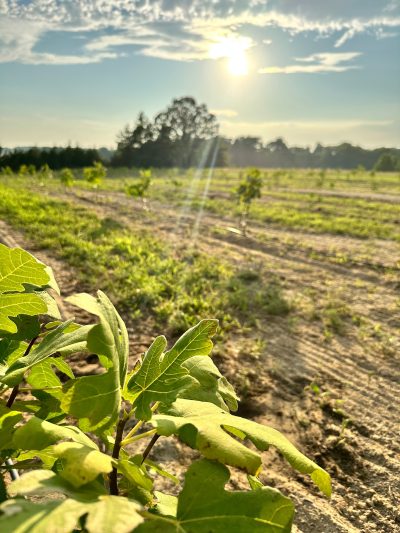
    Old Forks Farm’s fig trees are a nod to Angelo’s heritage.

    Do you have a favorite item among the farm’s produce and products?

    I identified with figs for a long time because they’re a specialty crop specific to Italy, and no one is commercializing them locally. Figs grown commercially on the West Coast, for example, are driven by commercial practices, which drastically change the taste and texture of a fig.

    Our figs are phenomenal, and anyone I’ve given them to is very excited to share that they are the best figs they’ve ever had. They’re usually willing to pay twice as much for them because of their value and quality. And it very much feels like I’m paying homage to my ancestry. 

    Book an Old Folks Farm workout class or bring the kids to Santa’s Farm Festival. 


    Tell us about your workshops and how these connect the farm with the community.

    The workshops we’ve done so far have always been kid-focused. We’ll have kids come in and learn how to plant a vegetable. So they’ll walk home with a tomato or strawberry plant. It becomes this interactive thing where they design their cup or get their hands dirty. Then, we offered a Christmas series called Santa’s Farm Festival.

    Santa’s Farm was awesome because we put lights on all the tractors, and the kids walked through this lit-up pathway. They were walking in between all the tractors and went through this greenhouse that we called the “candy cane forest,” which was a tree nursery. They came around into another greenhouse, which was a maze of trees. And they found arts and crafts hidden in this maze. One craft they did was to decorate a hat, like a Santa hat, and they would put their name on it along with little decorations. After that, they would get to the next station, which was designing a cookie. They would decorate a cookie, get Christmas cookies, and then go through the maze some more and find Santa. They would just freak out because it was a big surprise that Santa would be there.


    Santa with a little helper.


    I know that’s not a farming workshop, but it was the ability to celebrate Christmas in a different setting than what they were used to, while getting comfortable being on a farm. They’re walking through dirt and greenhouses, part of our functioning farm property. People say, “Oh, wow, I didn’t know that that was how this was done,” or “I didn’t know this was a thing.” So that’s been really nice.


    This year, we’re looking at launching a proper one or two-day-a-week kids’ camp where they come and do farm chores for the day and play farm games. That’s still in the ideation phase. But that is a goal of ours for the future. We’ve seen a few other farms do it, with parents raving about the principles and work ethic it instills in the children. It becomes regular if they’re coming once or twice a week every week. Imagine how much of a difference that makes in their personality over the summer.


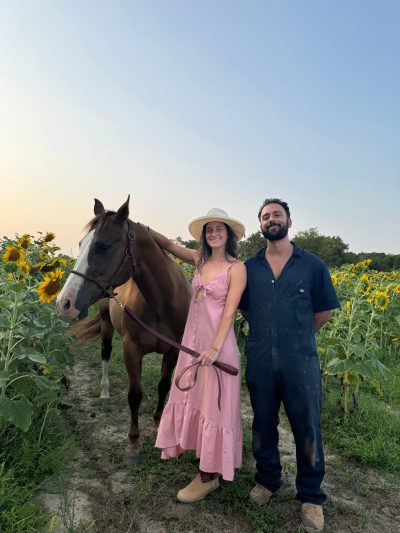
    Jessica Eme and Angelo with Gator.


    What do you hope to share?

    Living in New York City for so long, the farm has always been a safe space for me, where it really allowed me to get out of my head and out of the hustle and bustle of work life. I guess simultaneously, meditation was becoming very large.


    I started to realize that the practice of farming is a form of active meditation because you’re present. You’re actively present when you’re doing something. In meditation, the biggest thing they’re trying to teach you is how to be present. But you’re in a seated meditation class; you’re present with doing nothing, right?


    The farm has taught me to be very present in the doing, not just in stillness. And I found that to be wildly transformative. There’s action and proof that you had intention in what you were doing after spending a day working the land. You can see a physical change. Regular seated meditation doesn’t really offer you that. This feels a little bit more purpose-driven for me.


    When you’re present within the biosphere of a farm, there are so many different things in play. There’s the environment, the weather, the soil, insects, rodents, and reptiles—all these different things, and every single thing makes a difference.


    I thought that it was such a beautiful observation of life in general. So, all being said, I also have a hatred for convenience. As a society, we’re trending towards extreme convenience, where we don’t have to cook our food if we don’t want to. Commuting is very easy with ride shares and that kind of thing. There’s just a lot of wisdom in coming back and learning about how things once were, how things are made and created, and how the earth works. So I try to really share that.


    Angelo J. Grinceri III with Laurelette


    If you enjoyed this article, consider subscribing to my newsletter for more content and updates!