Blog

  • Capers, Sicily’s Tiny Umami Bombs

    Capers, Sicily’s Tiny Umami Bombs

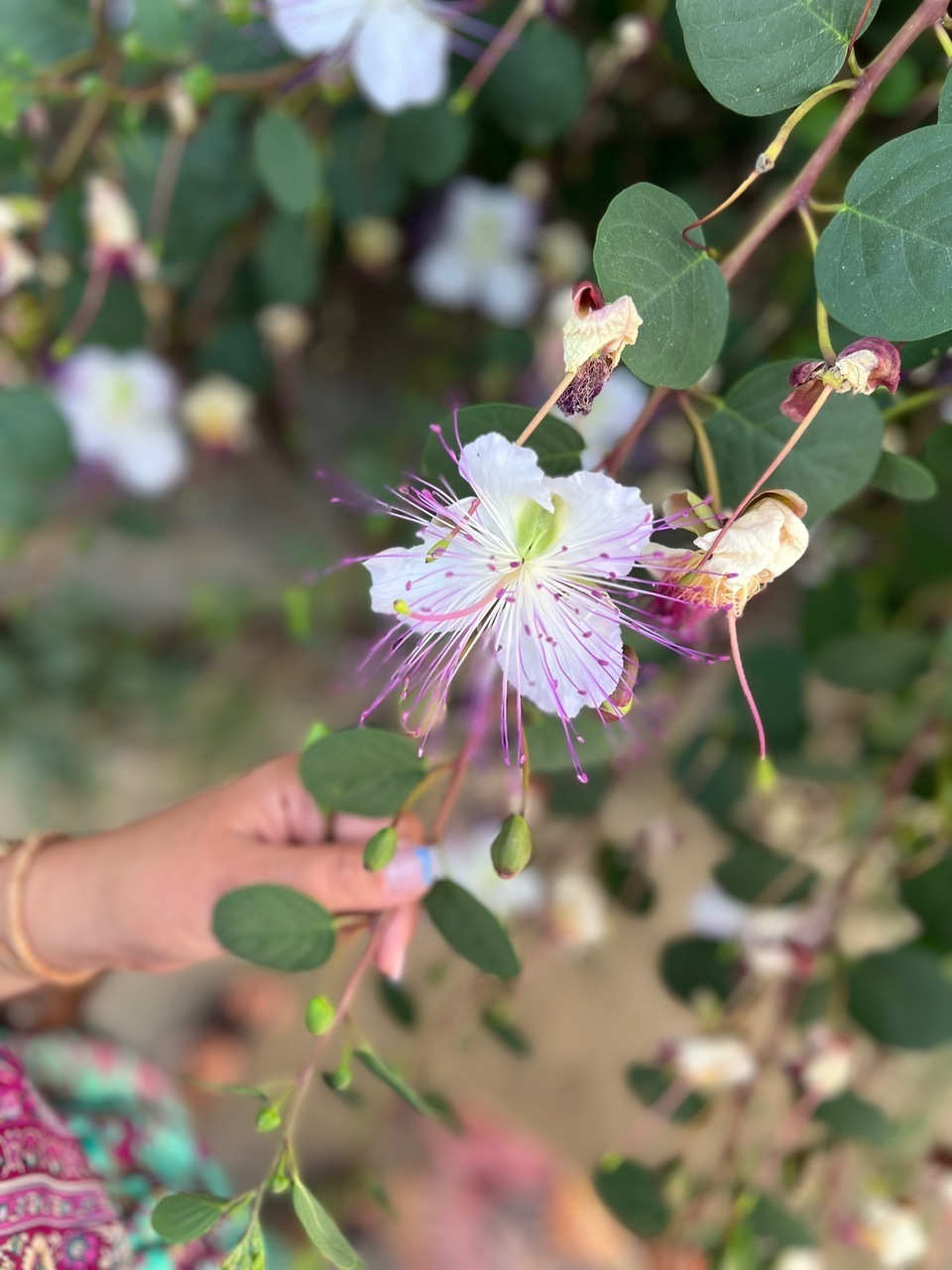
    An essential ingredient in many Sicilian recipes, the humble-looking caper packs a hefty dose of umami in a compact package. Typically found jarred and floating in brine in the U.S., these grayish-green shriveled-up buds are harvested from the Capparis spinosa bush (also called Flinders rose), a perennial plant with fleshy, rounded leaves and white or pinkish-white flowers. Producers also sell caper berries, the plant’s large seed pods, and caper leaves. 


    To learn more about capers, I caught up with food/wine travel consultant, private chef, and writer Linda Sarris (aka @TheCheekyChef). Linda leads frequent tours to Sicily’s island of Pantelleria. There participants get a first-hand look at caper production and even visit a caper museum. Linda also shared her favorite caper recipecaponata.


    What is your background?

    I’m a Greek American who moved from New York City to Sicily. I’ve been living full-time in Palermo for about eight years.


    I started a food and wine travel company here because I was working as a private chef. And then, when I moved to Sicily, I had to reinvent myself a little bit. Not so much private cheffing work here, especially for an American, but I’ve written two travel guidebooks for Moon Guides, which is part of Hachette. And so I write about travel in Sicily and food. I organize some week-long trips and retreats throughout the year, usually in Sicily in the Aeolian Islands in the summertime and Pantelleria, usually in spring and fall. I also do a market tour in Palermo. So, lots of different things, but always food- and wine-travel related.


    What drew you to Sicily?

    I ended up here. I got a scholarship to work in Sicily after attending a cooking school in New York, and then I just fell in love with the place. So, I came here in 2011 and have been studying Sicilian food since then. 


    Let’s talk about capers. What is your interest in the plant?

    I like meeting farmers or producers and learning about the products we use in cooking here. As I’m working in tourism, I want to be able to talk about the culinary culture here. I need to know what the items are, how they’re made, and how they’re grown.


    I think the plants are incredible, and you see a lot of them in the places where I often travel for work. So, in the Aeolian Islands, Salina is a famous place for its capers, followed by Pantelleria,  the island off the coast of Trapani. So those are the two most famous, although you do see them growing around a lot of the Mediterranean areas.


    And then, producer-wise, I’ve met a lot of people who just cure them at home for their own use. And I’ve always worked closely with La Nicchia, which is a big producer in Pantelleria. They have always been at the head of developing new and caper-related products. They were probably the first ones ever to sell caper leaves in a jar. They do freeze-dried capers and caper powder. They sell seeds. They’re always kind of innovating with new things they can do. 


    They opened a caper museum in Pantelleria. When I bring guests there, we visit the museum, do tastings, and learn about the process because capers were such a big business for that island.


    And so I’ve always been excited about the plant and how we use it in cooking. It’s always one of the main things people bring back from Sicily because it’s such a specialty ingredient, travels well, isn’t super expensive, and is better than what they might find at home.

    What exactly is a caper?

    The part that we eat as the caper is the unopened bud of the flower of the plant. It’s a really incredible plant. They are pruned when you’re cultivating them, but usually, they grow wild in the cracks of the road and come out of walls.


    The plants that are actually thriving the most are the ones that are not cultivated and planted by people. It’s really like a bush but has these long crawling vines. And the cool thing is that the season is really long, so the more you pick them, the more they’ll produce. And you can actually pick the buds that are the capers from April until almost September or October.


    The plant produces a lot. And so we usually sell here in Sicily, two different sizes, really tiny ones, and kind of a bigger one that’s almost ready to open up into the flower. You’ll see the whole progression of how it grows just on one vine, which is kind of cool. So you’ll see the little buds in the leaves, bigger buds, and flowers. Once the flower opens up, the fruit of the caper grows out of the flower. And in English, we call it a caper berry or, in the Sicilian dialect, cucunci. It looks like an olive on a cherry stem. That’s the fruit. And that’s where all the seeds are. So what usually happens is birds eat that, travel around, and make new plants with the seed.


    If you don’t pick the bud, it opens to the flower. If you remove the flower, it goes back to making buds. But if you let the flower open, fruit comes out. It usually depends on what product you want, how quickly you pick it, and what level you let it develop. 


    How are capers typically prepared?

    What we eat is not just straight off the plant. It has to be preserved, and usually, that involves sort of pickling it. So, either in a brine or a saltwater pickle or just packed in sea salt, which is what most people in Sicily do. It’s usually just covering them with salt, rotating the batches until they lose some of their bitterness, and removing the liquid that comes out. Eventually, they could be preserved for eating, but you still have to soak them before you eat the ones packed in salt.


    Most people here preserve and save and eat the buds of the flowers, the caper, and the berry. More recently, some companies have been curing the leaves as well. It’s not as common. Maybe you would see that in someone’s house, but that’s not a very common thing you’d find in a store. But the same thing is packed into salt and maybe put under vinegar or oil in a jar.


    Why are capers an important part of Sicilian cuisine?

    I think they represent the earthy and even bitter and salty flavors that people like here. Capers grow wild and can be foraged food, so maybe that’s why they became so popular. It was something people could pick without having to buy ingredients like that. We use them in so many different ways here, but I don’t think just adding a caper makes a dish Sicilian.


    How are capers used?

    What’s nice is that they can be used in everything—vegetable dishes, meat, and fish. And now we start to see them more in desserts. In Pantelleria, a few gelaterias make chocolate caper and oregano gelato. Then, on Salina, they do candied capers, which I don’t see anywhere except on Salina, and that’s really delicious. They put them with cannoli instead of chocolate chips at the end. It looks like a chocolate chip, but it’s a candied caper.


    People think the flavor of caper is salty, but it’s only salty because you have to process it that way. But the ones in Pantelleria are very earthy and floral, so you can have capers in a dessert because it’s not necessarily salty. It’s caper flavor. It’s not salt.


    They’re very versatile. We use them in a ton of recipes. They’re a staple pantry item that most families have at their house. Most people will cure them for themselves.


    What are your favorite caper dishes?

    I like caper pesto because you can really taste the flavor. When you’re going to use the capers in larger quantities, you do have to soak them, not just sprinkle them through a dish.


    Capers tend to be in every single tomato salad. And in other parts of the Mediterranean, it’s a staple—the tomato salad with capers in it. In Pantelleria, they have a typical salad made with potatoes, oregano, olives, and capers. It’s in caponata, which is one of the most famous dishes of Sicily.


    I like experimenting with some of the new things like caper powder. Caper leaves are a really beautiful way to apply garnish on top of fish. The seeds are interesting, and the caper berries are, too. They’re beautiful as a little snack on a charcuterie platter. But they’re really nice in cocktails, too, as a garnish instead of an olive in a martini or gin and tonic. 


    How do you use caper powder?

    I put it on roasted vegetable dishes, such as pumpkin or eggplant, and I use it on fish as well, just as a little sprinkle. Depending on how you make it, it’s kind of earthy and a little bit salty.  


    When you tour caper farms, what do you hope participants take away?

    That there is a lot of work. One of the things that makes it more expensive is that they’re all picked by hand. They’re picked in the warmest months of the year, so spring through summer. The people who pick them, too, have to pick them while kind of crouching down. So it’s physical work. And usually, they get paid per kilo that they pick. Historically, it has not been a great job to have because it’s a lot of work and paid very little. But that’s also why the little capers cost more than the big ones. It’s more work to pick them; even if they’re not priced by weight, they’re priced by quantity.  


    If you step on the branches, caper plants stop producing. It kind of grows out from the root like little spider legs on the ground, like a starburst. And the people have to pick them with their legs spread out, and they’re leaning over and reaching. It’s just physically a little difficult to pick.


    That’s why it’s harder to cultivate them yourself. Because once you put people in the field on top of them, the plant’s not willing to give you as much.


    Caper resources

    • For Sicilian travel inspiration, follow @thecheekychef on Instagram.

    • Sign up for Linda’s free mailing list to learn about upcoming food/wine programs and retreats in Sicily with The Cheeky Chef.

    • Interested in visiting Pantelleria? Here’s your insider guide.

    • Capers from the Sicilian island of Pantelleria can be shipped to your door. Buy them from Linda’s favorite Italian food importer, GUSTIAMO, and enjoy 10% off of your entire purchase with the discount code: cheekychef


    Linda’s favorite caper recipe: caponata
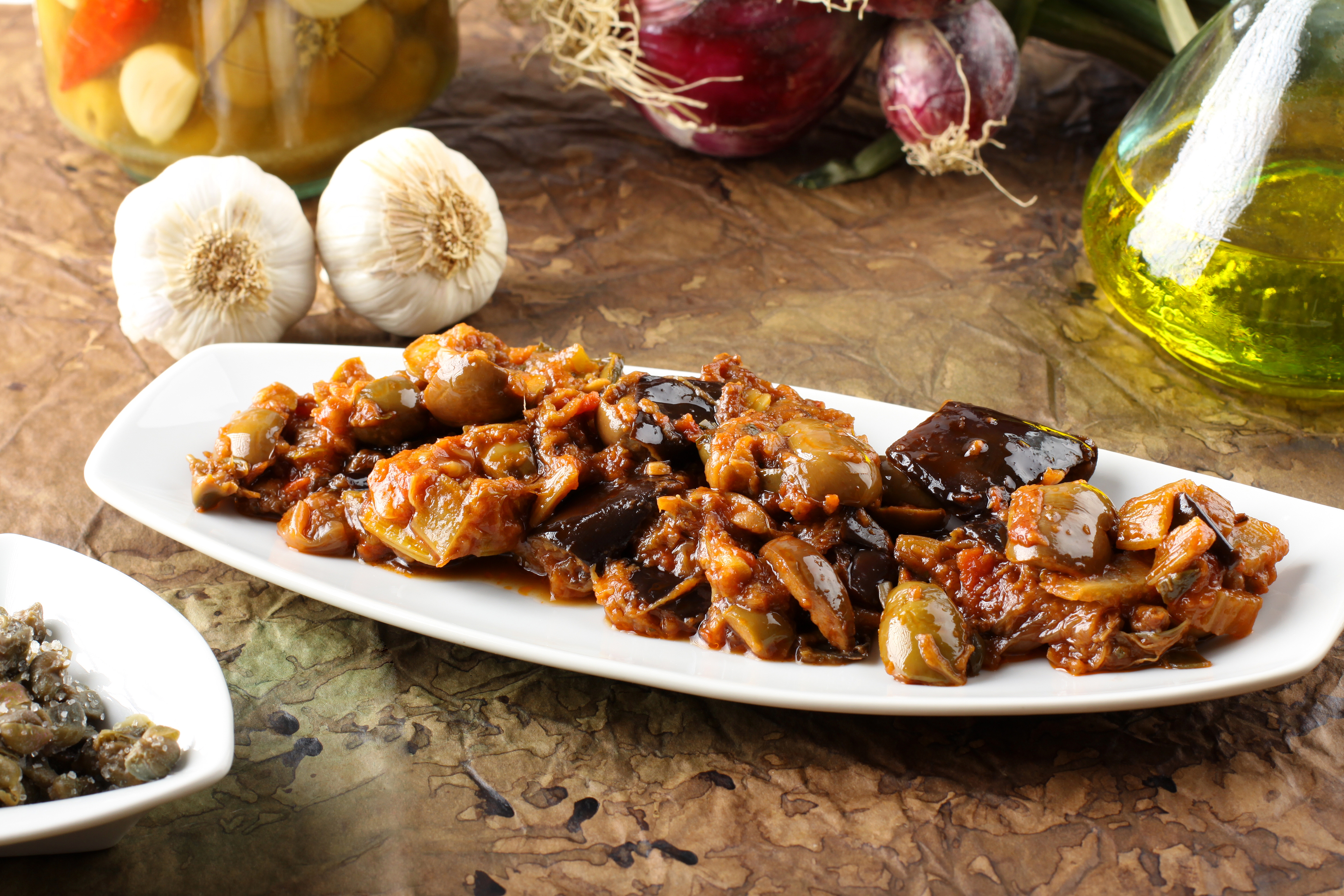
    caponata-by-lorenzograph.jpg


    The noble dish was originally made with a fish called capone (no relation to Al), a small type of mahi-mahi, which gives it the now outdated name caponata. As many Sicilian dishes evolved and were modified for the masses, they changed to cheaper peasant dishes that typically used eggplant. There are variations of this recipe from town to town, from family to family, and sometimes it is made with artichokes in the springtime instead of eggplant, red pumpkin in winter, or even with apples. 


    My recipe is adapted from cooking with my mentor Fabrizia Lanza, the research of eating every version of caponata in sight, and other tips and tricks I’ve picked up along the way.


    I snuck in a few bits of chocolate to thicken up the sauce as an homage to the tradition of chocolate-making in southeastern Sicily in the town of Modica. In the province of Trapani, it is often topped with toasted almonds, and the tomato is optional. The secret is cooking each ingredient separately and then mixing them together in the end to marry all of the flavors.


    • INGREDIENTS
    • 1 small red onion, sliced
    • 1 eggplant (dark black/purple Italian aubergine, which is oblong or teardrop-shaped) cut into 1-inch cubes
    • 2 stalks of celery, sliced into small bite-sized pieces
    • 3T. extra virgin olive oil
    • 1/4c. red wine vinegar
    • 2T cane sugar
    • 1t high-quality tomato paste (estratto in italiano)
    • 1/2c. pelati (whole, peeled canned tomatoes), roughly chopped
    • 1/4c. Sicilian green olives, pitted and halved
    • 1T capers packed in salt (the best ones come from the Sicilian islands of Pantelleria or Salina), soaked in warm water, then squeezed dry
    • 2T. unsweetened chocolate, chopped into small pieces to easily melt down
    • black pepper
    • vegetable oil to deep fry
    • sea salt to taste if needed


    RECIPE (serves 5)

    Blanch the chopped celery in heavily salted boiling water (without a lid) until bright green but still crunchy; strain out and shock in ice water before setting them aside for later.


    Deep fry the eggplant cubes until they are dark brown (not burned, but much more than just golden). Allow the eggplant to float on the oil, and when they are finished frying, blot them on a few layers of paper towel to absorb the extra oil. Frying the eggplant helps it keep its shape and not turn your caponata into a mushy pâté.


    In a shallow pan, sauté the red onion with some EVOO on medium-low heat until softened. 


    Add the red wine vinegar, sugar, and tomato estratto to pickle the onions and create a thick agrodolce sweet-and-sour sauce. Add the pelati, give it a stir, and simmer over low heat for 10 minutes.


    Season with black pepper, but do not add salt. 


    Throw in a few chocolate bits (this is my secret) and let them melt into the sauce to give it some creaminess.


    When cooled down, toss the fried eggplant in a large bowl with the sweet-and-sour onion/tomato mixture, adding the prepped capers and olives (these two ingredients should never be heated). 


    At the last moment, mix in the celery to keep its green color. 


    Check seasoning and add additional sea salt if necessary.


    The olives and capers can both bring additional salt to this dish, so be careful with your seasoning.


    Serve as a room-temperature side dish or on toasted bread as an appetizer. Caponata will taste even better the next day.


    If you enjoyed this article, consider subscribing to my newsletter for more content and updates!

  • From Sicily to Milwaukee: Pietro’s Pizza Legacy

    From Sicily to Milwaukee: Pietro’s Pizza Legacy

    A fixture of Milwaukee’s Bay View, Pietro’s Pizza has been serving pies since 1973, when Sicilian baker Filippo Tarantino finally saved up enough to open its doors, 14 years after he arrived in the United States. He named it after his son Pietro, who still now owns the popular business. 


    A longtime member of Milwaukee’s Italian Community Center who also served multiple terms on ICC’s board of directors, Pietro co-hosted the public radio program Italian Hour with his sister, Enrica Tarantino-Woytal, for 25 years. He also served as the liaison between the Italian Community Center and Chicago’s Consulate General of Italy and was part of the Comites, the Committee of Italians Abroad. In 2019, he earned the rank of Cavaliere dell’Ordine della Stella d’Italia, one of Italy’s highest civilian honors. 


    Pietro is what we Sicilians would call a paisano. He hails from the town of Porticello, where my grandparents grew up and where I still have family. We recently discussed how Pietro ended up in Milwaukee, his memories of Sicily, and, of course, pizza.


    Tell us about yourself and how you ended up in Milwaukee.

    I was born in Porticello and attended school there. When I was 15 years old, I came to the U.S. in 1969.


    My father had already lived in Milwaukee for 10 years, working for Grebe’s Bakery. He came here in 1959 on a labor contract visa. He was a master baker in Porticello, with his own bakery not too far from the tobacco store.


    Some of my family on both sides, on my father’s side and then on my mother’s side, had been in Milwaukee. Actually, my grandfather on my father’s side was here in 1895 and left in 1905. He was here for 10 years. Then, my grandfather, who was on my mother’s side, was here from 1922 until 1933. So there were some roots here, and my great aunt lived there. That’s why he came here.


    In Milwaukee, my father also worked at Angelo’s Pizza, where he was the dough maker. He used to go there every day from noon until two or three to make their pizza dough. Then he would come home, have a cup of coffee, hop on the bus again, and go to Grebe’s Bakery. He started working around 4:30 in the afternoon.


    Tell us about your memories of Porticello.

    Porticello? It’s a dream. When you live there, you don’t know what kind of treasures you have. It’s just like when someone is free and doesn’t know what freedom is until they go to another country where they’ve been controlled. You know what I mean? That town is a gem.


    When I return, I always go to the old side, not the new one. And a lot of people ask me, “How come you’re hanging around the old portion of town?” Well, that’s where my memories are. That’s where my youth was. That’s where I used to walk with my grandfather. That’s what I played with the other kids. We used to play around in Punta Santa Nicolicchia. 


    So that is Porticello. It’s a sweet place. It’s a dream. I mean, all of Sicily is like that. You look to the right, and there is water; you look to the left, and there are mountains. And the beauty is that within 10 minutes of traveling, there is so much diversity. That’s unbelievable. You go from flowers all the way up to pine trees and then on top of the port to those ruins at Solunto. One does not know what you have until you leave.


    In Porticello, at night, you can open your windows, close your eyes, and hear the waves hitting the rocks. You don’t need to have the TV on. You don’t need to go to the nightclub for heavy music. Nature is to be appreciated. And then, of course, fresh fish comes there daily. And you can eat that fish. You can actually eat fish at eight o’clock that were caught maybe at four or five. So when you cook it, it’s still alive. So that’s the beauty of it.


    You know what? You can take me away from Porticello, but you cannot take Porticello away from my heart.


    Unless you are an immigrant, you really don’t know the feeling of going away from the way life was. It’s my culture, even though I’ve lived in America for 55 years now.


    But Milwaukee is part of my life as well. 


    Let’s talk about Milwaukee.

    Milwaukee has been good to the Italians. Milwaukee is a good community: nice, quiet, clean. They accept everybody—Milwaukee’s good, period. And you know where the Italians went? Most of it went to the east side, and the other portion went to the Bayview area. We went to the Bayview area.


    I’ve done a lot in Milwaukee. I went to school, I got my degrees, I did numerous jobs, and I made sure that the pizza place stayed open in order to hit 50 years. Right now, it’s 51 years.


    What are some of the ingredients and techniques that reflect your father’s legacy?

    The dough is the main thing. And I had to master that because with my dad, he never measured anything. It was just a little bit of this, a little bit of that. So it was very difficult. But I had to learn and ask questions because making dough is very difficult. You have to check the temperature and humidity, which tells you how much yeast or the temperature of the water you have to use. You need to know what kind of flour you need, even though it’s the same brand. So you have to be careful.


    That’s the main thing that my father mastered. After all, when my father was a baker, it’s not like nowadays, where you dump your dry ingredients in the mixing bowl and have the water that’s already been measured, and you’re done. They’d make their own yeast, what they call lievito madre. I remember my father used to go at 11 o’clock at night to do that. 


    What’s your signature pizza? 

    I’m dealing with an American clientele, so the pizza we sell the most is cheese, sausage, mushrooms, and onions. But my father’s signature was sfincione.


    We make sfincione for the Italian Golf Invitational. And I make it every year. 


    What do you hope your customers will take away from their dining experience?

    Well, first of all, it’s very fresh. I mean, I make dough every day right now. I use the freshest ingredients that I can. The vegetables and sausage are fresh, too. I get it delivered every week. Nothing is pre-cooked.


    After being in the same location for that long, I’ve built rapport with all the people in Bay View. Some of the customers are the grandkids of the people we served when we started.


    You have that kind of relationship with the clientele; that’s the best thing, the human side of it. It’s fantastic. It actually helped me grow. That’s why I love Milwaukee as well.


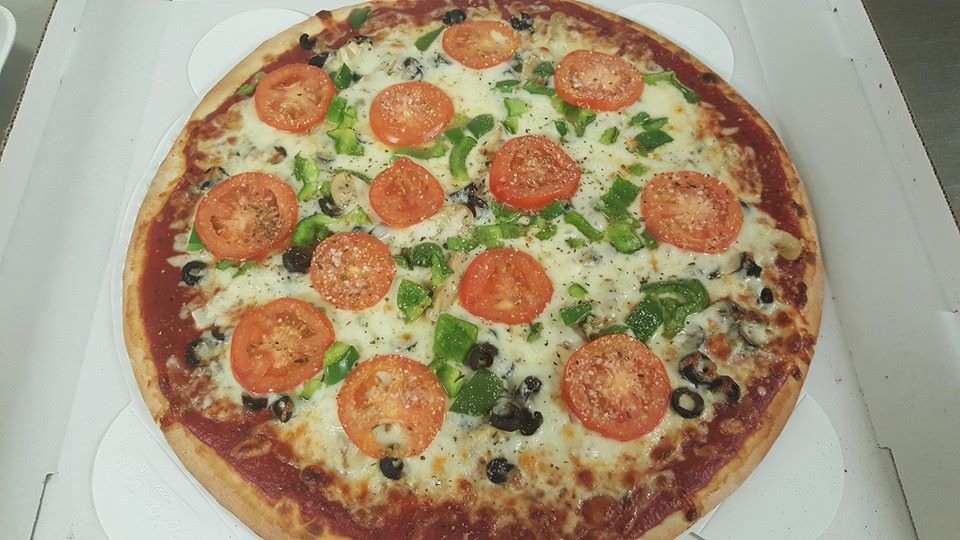
     Pizza-veggie.jpg


    If you enjoyed this article, consider subscribing to my newsletter for more content and updates!

  • In Praise of Pasta Alla Norma

    In Praise of Pasta Alla Norma

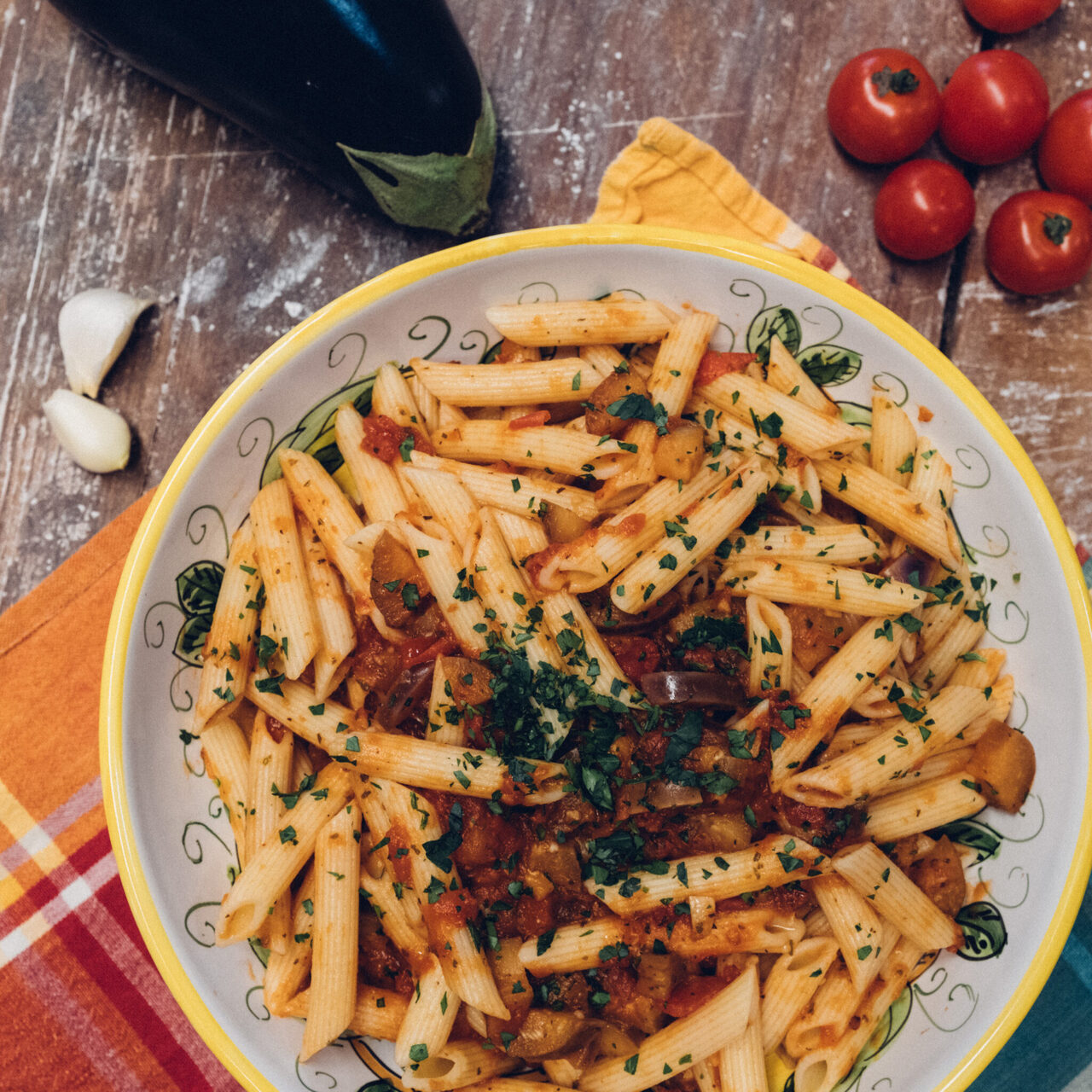
    A symbol of the city of Catania and typical of Sicilian cuisine, pasta alla Norma is the perfect eggplant dish. The recipe is simple, marrying tomato and eggplant with basil, garlic, and sometimes red pepper flakes. It’s bound to convert eggplant haters to aubergine aficionados. 


    Christina Pirello of PBS’s Christina Cooks: Back to the Cutting Board was in the eggplant-hater camp—until she tasted so-called melanzane in Sicily. 


    Christina, who also leads food tours of Puglia and Sicily, adds lentils to her twist on this Sicilian classic.


    She took time out to share the history of pasta alla Norma, how to prepare eggplant, and what she hopes you’ll take away from her plant-based, protein-packed aubergine recipe.


    Tell us about your background. Where is your Italian family from?

    The Italian side of my family is from Castelemare di Stabia, a bayside town outside Naples. They came from the poor side of town, as most of our ancestors did. My nonna, Elena Cordasco, was the youngest of seventeen (yup, seventeen). They came to America in groups and she was in the last group at 13 years old.


    My nonno, who I adored, Girardo Stabile, was one of seven children and came to the U.S. when he was 16. They met when my nonna was 16, and they didn’t know each other in Italy, even though they were from the same town. They married and had three children: my mother and her sister and brother.


    We were always with my nonni. They lived either upstairs or next door, so they were a constant in my life, as were my nonna’s nine sisters. I loved to be with them and my mother in the kitchen. My family always yelled as a way to communicate, but I noticed in the kitchen that they sang, laughed, and worked symphonically together smoothly, with no issues. That was what I wanted.


    Describe your experiences in Sicily. What left a lasting impression?

    My husband is Sicilian on both sides of his family, as far back as he can trace, so our experiences there often revolve around family. His aunts and cousins are all amazing cooks. I guess the most lasting impression is that the food in Sicily is pure magic. The simplest ingredients, cooked fresh with great olive oil, create feast after feast. I was not a big fan of eggplant (I know it’s blasphemous) until I had it cooked for me in Sicily. The tomatoes are little pieces of heaven, and the oil is like gold.
     

    Why didn’t you like eggplant, and what changed that?

    As a kid, my Neopolitan family used eggplant all the time, and I just did not care for the texture of it. When I traveled to Sicily and saw and tasted what they did with eggplant, my mind was changed, and I fell in love with it.


    What is the history of pasta alla Norma?

    It was named in honor of the native of Catania, Vincenzo Bellini, the composer of the opera Norma. It is said that the Italian writer Nino Martoglio exclaimed, “This is a real ‘Norma!’” meaning a masterpiece (like the opera) when he tasted the dish. However, the name was not dedicated to this dish until decades after Martoglio’s death.


    Where did you encounter the best pasta alla Norma dish?

    Ah, this makes me laugh, as I think the best Norma is mine! I add red lentils to the sauce to make it thick and rich-tasting, and I love it. That said, my husband’s late Aunt Pina made a great Norma. There was just something about the way she cooked that lent a delicacy to this hearty dish.


    What inspired you to create your particular version of pasta alla Norma?

    I wanted to make the sauce thick and rich, and of course, we wanted to add protein, as we are both active. Since red lentils break down easily, they were the perfect solution.


    How do you ensure the eggplant remains tender and not too oily when cooking?

    I soak my eggplant in salted water and rinse it well before cooking. This not only removes the alkaloid “solanine,” making the eggplant easier to digest, but it also makes it more porous, so you don’t need to bathe it in oil as you cook, and it still comes out richly flavored.


    What do you hope readers will take away from this dish?

    I would like people to realize that you can, in fact, make a perfect pasta dish…one that is good for you, delicious, and gives you all the nutrition you need. You can break with tradition and create a new dish that honors tradition as well.


    >>Get Christina’s pasta alla Norma recipe here!<<


    If you enjoyed this article, consider subscribing to my newsletter for more content and updates!


  • Puppeteer Daniel Mauceri Carries on Sicily’s Opera dei Pupi Tradition

    Puppeteer Daniel Mauceri Carries on Sicily’s Opera dei Pupi Tradition

    Emerging in the 19th century, when Sicily’s working class would gather nightly to watch puppet shows for entertainment, Opera dei Pupi is today recognized by Unesco as a Masterpiece of the Oral and Intangible Heritage of humanity. Generations of marionette puppeteers carried on the tradition, also known as Teatro dei Pupi, performing stories from medieval chivalric literature, Renaissance Italian poems, saints’ lives, and tales of bandits, often improvising the dialogue.


    In its heyday, there were about forty Opera dei Pupi theaters. Today, 10 companies perform in six Sicilian towns. 


    Times have changed. The COVID-19 pandemic didn’t help. But the art continues—thanks in part to Syracuse puppeteer Daniel Mauceri


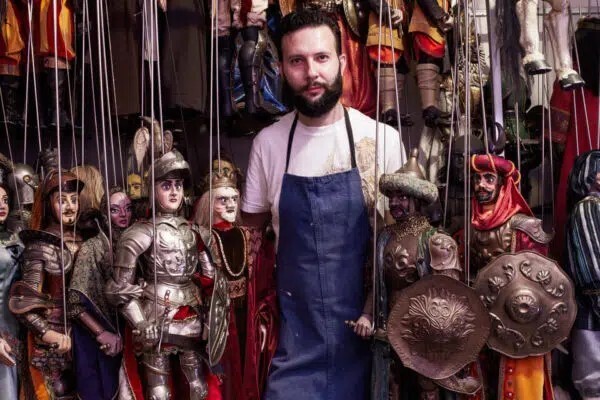
    For 40 years, Daniel’s family has carried on the tradition of building puppets and staging performances. The puppet artist grew up with hands often covered in paint, surrounded by the scent of wood and the sounds of grandfather Alfredo Vaccaro, tinkering away with his utensils.


    Daniel credits his father, Umberto Mauceri, with nurturing his manual skills, which he uses today in creating and restoring puppets that appear in private homes as well as in international museums. And, of course, there are those puppets reserved for puppet shows


    Performances are geared for all ages, tapping into classical themes and stories as well as new interpretations. The theater caters to all ages and even offers shows in English by request.


    I recently caught up with Daniel to learn more about his art and adherence to tradition, as well as puppetry’s place in modern society. 


    What is your background?

    I am originally from Sicily, a land that lives and breathes the tradition of the Opera dei Pupi. I live and work in Ortigia in Syracuse, among workshops and theaters that were part of my childhood and my growth as an artist.


    What inspired you to continue the family tradition of Opera dei Pupi?

    I was born and raised within this ancient art. Even as a child, I knew and wanted to become a puppeteer. Growing up surrounded by puppets and everything that revolves around them has fueled in me a deep bond with this tradition. I felt the need to give it new life, respecting the roots but also adding my personal touch by creating an association that allows me to perform shows and a brand that bears my name, “Daniel Mauceri Arte Pupara dal 1978.”
     

    What are some of the most difficult aspects of creating these puppets?

    One of the most challenging aspects is certainly maintaining the high-quality craftsmanship of each puppet, respecting the precision in the details. Each work requires hours of meticulous work, from the carving of the wood to the painting of the faces to the embossing and chiseling of the armor. Each step is essential to conveying the authenticity and emotion of this work.
     

    How do you ensure each puppet maintains the traditional elements while also incorporating your own unique artistic touch?

    Respect for detail is key. Each puppet comes out of a studio and still follows the classic canons in realization, such as the use of authentic materials and traditional techniques. However, in the creative process, I add a personal touch, both in the expressions of the paper-mâché faces to give each puppet a personality that distinguishes it and in the creation of the armor.
     

    What materials do you use for the puppets?

    The puppets are mainly made of pine and beech wood, paper-mâché for the faces of the puppets, and copper, brass, nickel, silver, or bronze (all beaten by hand) for the armor. I find the materials through national suppliers.
     

    How has the art of Sicilian puppets evolved over the years, and what role do you think it plays in modern culture?

    The art of puppets has changed little in its essence, but today, it has a different value. It has become a cultural symbol that represents Sicily all over the world. In modern culture, puppet theater acts as a bridge between past and present, educating and fascinating new generations.
     

    What is one of your most memorable moments as a puppeteer?

    One of the most memorable moments was seeing a child’s reaction during a performance. His eyes lit up, and at that moment, I realized that, despite modern times, puppet art still has the power to enchant. This same child, now grown up, helps me during the shows by moving my puppets.

    What advice would you give someone interested in learning the art of Sicilian puppets?

    I recommend studying the tradition in depth and approaching the puppet families with humility. You could also initially take advantage of my workshops on the construction of the puppets. It is important to understand that this tradition tells an ancient story. You have to respect the times and methods of the past, but don’t be afraid to add something personal.


    >>Learn more about Daniel Mauceri Arte Pupara dal 1978 here!<<


    If you enjoyed this article, consider subscribing to my newsletter for more content and updates!

  • Cucuzza e Tenerumi: A Tale of Discovery

    Cucuzza e Tenerumi: A Tale of Discovery

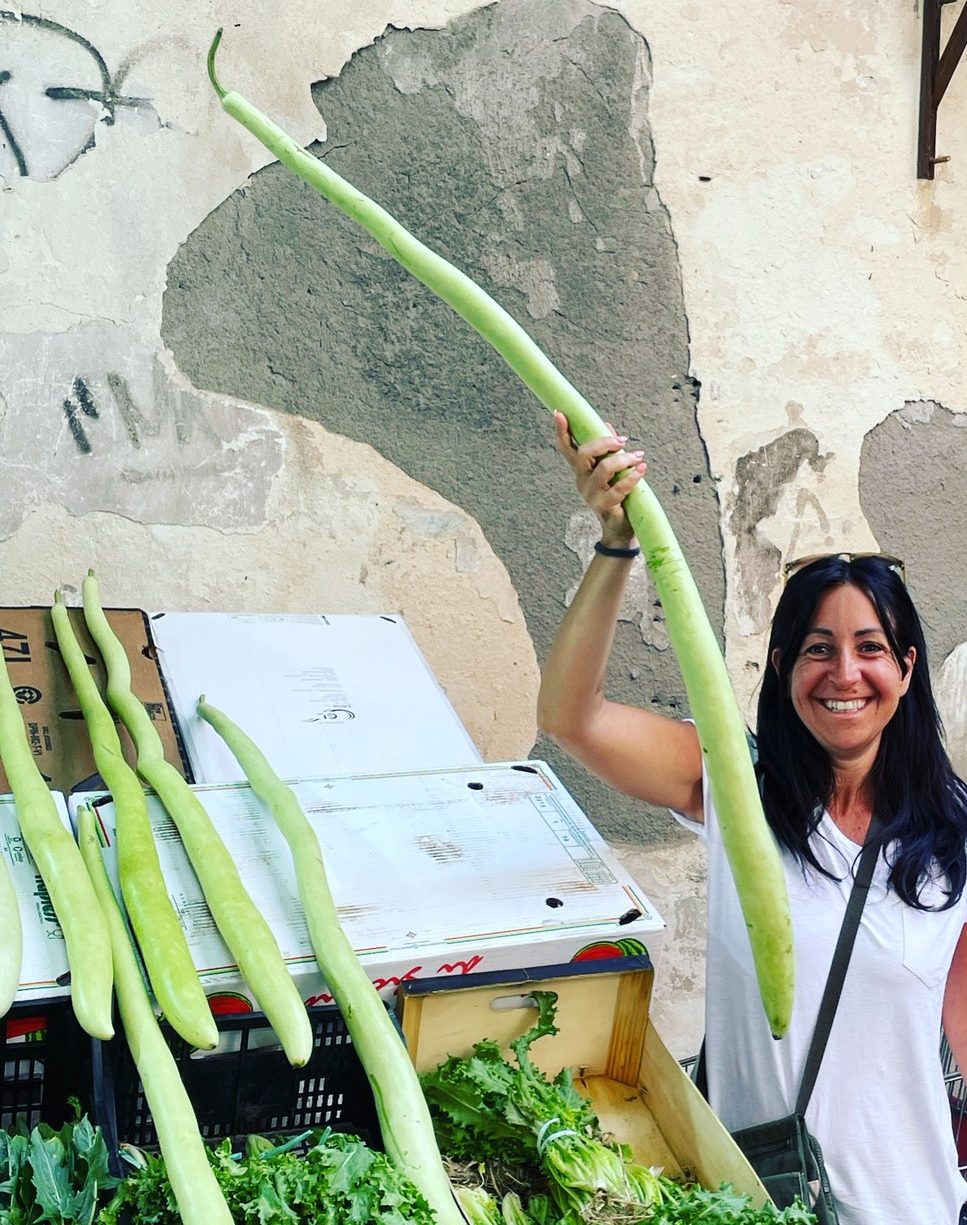
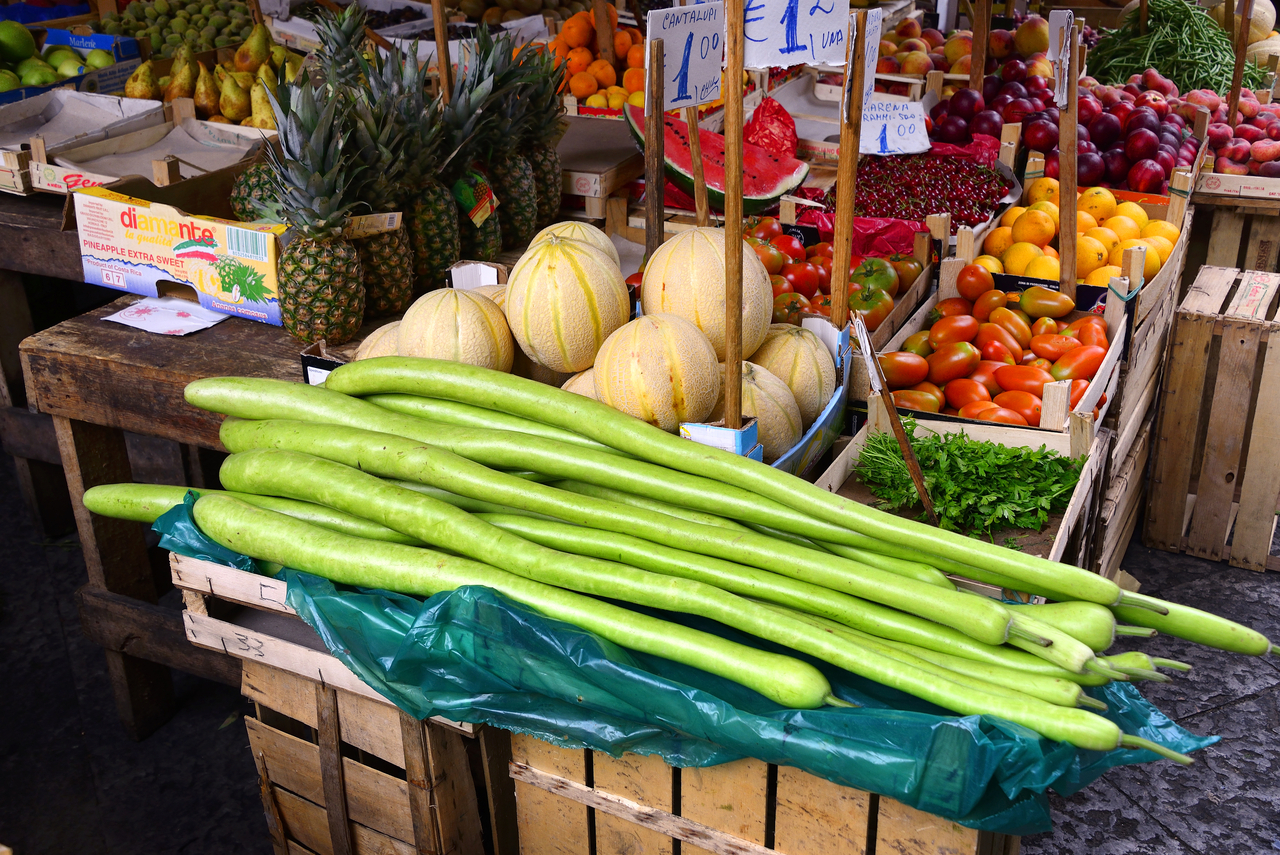
    Late summer to early fall was harvest season for my Sicilian grandfather‘s garden, where he grew, among other things, five-foot-long cucuzzi (also known as snake squash or bottle gourd) with seeds from Palermo. He’d bring it in for my grandmother, along with some of the leaves they called tenerumi, and she’d cook both in soups and stews. 


    You won’t find cucuzza in a supermarket. Most cucuzza cooks grow it themselves. I recently spotted cucuzzi hanging from a fence near my home in the San Fernando Valley. 


    But every so often, this Sicilian specialty makes an appearance at farmers markets. That’s where Northern California food storyteller Simona Carini encountered her first U.S.-grown cucuzza, a squash she’d only previously seen in Sicily. 


    Simona bought that cucuzza along with its leaves and created her own recipe, cucuzza e tenerumi al pomodoro. She shared with me the story behind the recipe and what she hopes readers will take away from her blog.


    Tell me about your background.

    I was born and grew up in Perugia, Central Italy, where I spent the first half of my life. I went to school there, my friends are there, and my family is there. At age 30ish, I moved to Northern California. My husband is American.


    My last name is Sicilian. Carini is an ancient town not far from Palermo. However, my immediate family is not from Sicily. On both my mom’s and my father’s sides, our family is from Lazio, about 40 miles north of Rome, although my maternal grandmother was from Croatia, from Split.


    When did you first encounter tenerumi and cucuzzi?

    So it was 1980, which historically, for Italy, was a very hard summer. In June, a passenger plane was shot down over the island of Ustica. And shortly after that, there was a bomb in the city of Bologna. That was the year I flew for the first time.


    We spent a couple of weeks there in this little town not far from Carini, which is called Villagrazia di Carini. And why there? It’s because three of my classmates from elementary school were originally from Sicily. And I guess their uncle had a house there. We were basically 17 or 18; there were seven of us. And we hopped on a plane. It was my first flight, and we spent two weeks there. So that was the first time I had tenerumi.


    We weren’t really cooking, but we were in this small community, mostly of locals. We were not in a tourist place, so they kind of took pity on us because we were without anybody. And so I remember this neighbor bringing over pasta with tenerumi. I asked what it was, and I was told it was the leaves of young zucchini, but that was it. 


    Fast-forward. In 2007, I went back to Sicily with my husband, and we stayed in Palermo. We went to the market, and finally, I saw the cucuzza with the tenerumi. However, at the time, we were staying in hotels, so I couldn’t really cook anything, but I took pictures.


    So, for the first experience, we had the kitchen, but we weren’t cooking, and for the second, I was cooking, but I didn’t have a kitchen. 


    Then, in 2019, we were living in Berkeley, and I used to go to the farmers market on Saturday morning. I got there, and it was really funny because there was this group of people crowding around something. And this something was actually cucuzza and tenerumi.


    They had never seen it. And one of the farm helpers was explaining. 


    The cucuzza had been harvested young, so it was shorter, but I bought it, and people were looking at me like, “How are you going to cook it?”


    I was like, well, I know in Sicily they make pasta, they make soup. I developed my recipe mostly because I didn’t want to make soup. I wasn’t interested in trying to make pasta, so I wanted to cook it as vegetables. And so I basically put together what I had—the tenerumi and the cucuzza, tomato from the farmers market, and onion. So that’s how I kind of developed the recipe. 


    What is the history of the cucuzza?

    The thing about the cucuzza is that this plant actually came from Africa. It’s been in Europe for a lot longer than zucchini. Then zucchini kind of took over. 


    Can you speak to the idea of consuming the whole plant? 

    This idea just speaks to me. It’s a little bit like the tradition we have in Italy of using everything.


    What do you hope that at-home cooks will take away from this recipe and your work?

    Things don’t have to be complicated, particularly Sicilian cooking. I mean, look at desserts, for example. Sicily has quintessentially decadent desserts if you think of cassata and all that kind of stuff. But the food itself is very simple. They cook fresh fish, they have vegetables, they have fruit, they make wonderful bread. And so I really try to make it so that people are less worried about the end result or if it fits some specific idea or if it is authentic.  


    The whole thing about authenticity is very difficult because if we look at the history of migration from Italy, people left because they were starving. I mean, not everyone, but there was an enormous amount of poverty. They came from Sicily or, in general, southern Italy; they arrived in New Jersey or New York. 


    I remember a friend of mine told me that she could always tell an Italian family because, in the winter, they would wrap up their fig tree. And I understand that everybody has fig trees in Italy; they don’t need any care, and the fruit is good. But if you live in New Jersey or New York, you have to be careful about the winter. So what happened is that people had to adapt because they just didn’t have the ingredients. So, already, to me, authenticity is not the right way to look at this. It is adaptability, which is how these people try to hold on to their traditions in a place that is completely foreign. And that’s beautiful. 


    >>Get Simona’s cucuzza e tenerumi al pomodoro recipe here!<<


     If you enjoyed this article, consider subscribing to my newsletter for more content and updates!
     

  • Examining the Eggplant: A Historical Perspective

    Examining the Eggplant: A Historical Perspective

    Among the most commonly consumed nightshades, the eggplant is a favorite among market-goers.

     
    Celebrated for their varying shapes and colors, these versatile vegetables (technically fruits) are rich in anti-inflammatory anthocyanins and the essential trace element manganese, which is important to bone formation. They are also full of fiber

     
    It’s no wonder they’ve taken a foothold in Sicilian cuisine. But there would be no pasta alla Norma, pasta ‘ncasciata, or eggplant Parmesan without the arrival of the Arabs in the ninth or tenth century, says Clifford Wright, a James Beard award-winning author of 19 books on cooking, food, history, and politics. His latest tome, An Italian Feast: The Celebrated Provincial Cuisines of Italy from Como to Palermo, features more than 800 recipes from the 109 provinces of Italy’s 20 regions.

     
    We recently discussed the eggplant’s fascinating history and how its perception and use have evolved over the centuries.


    What is your background, and how did you become interested in Italian food history?

    I began cooking in 1967. I’m part Italian [with family from Pago Veiano in the province of Benevento in Campania]. My mother cooked Italian-American food; it was my home food. I also worked in restaurants whose chefs were Italian, and lastly, I often traveled to Italy and loved the food.


    How did the eggplant first arrive in Southern Italy, and what were the initial reactions to eggplants?

    Although most botanists believe southeastern India is the place of origin of the eggplant, and some botanists make a case for China, as well as the Malay peninsula, the place of origin is still unknown. Nikolai Vavilov identified the mountains of central and western China and its adjacent areas as the place of origin and India as the center of origin. It seems clear, though, that India is, at least, a secondary area of origin. The cultivated eggplant appears to be an improved form of either S. insanum or S. incanum, both of which are native to India.

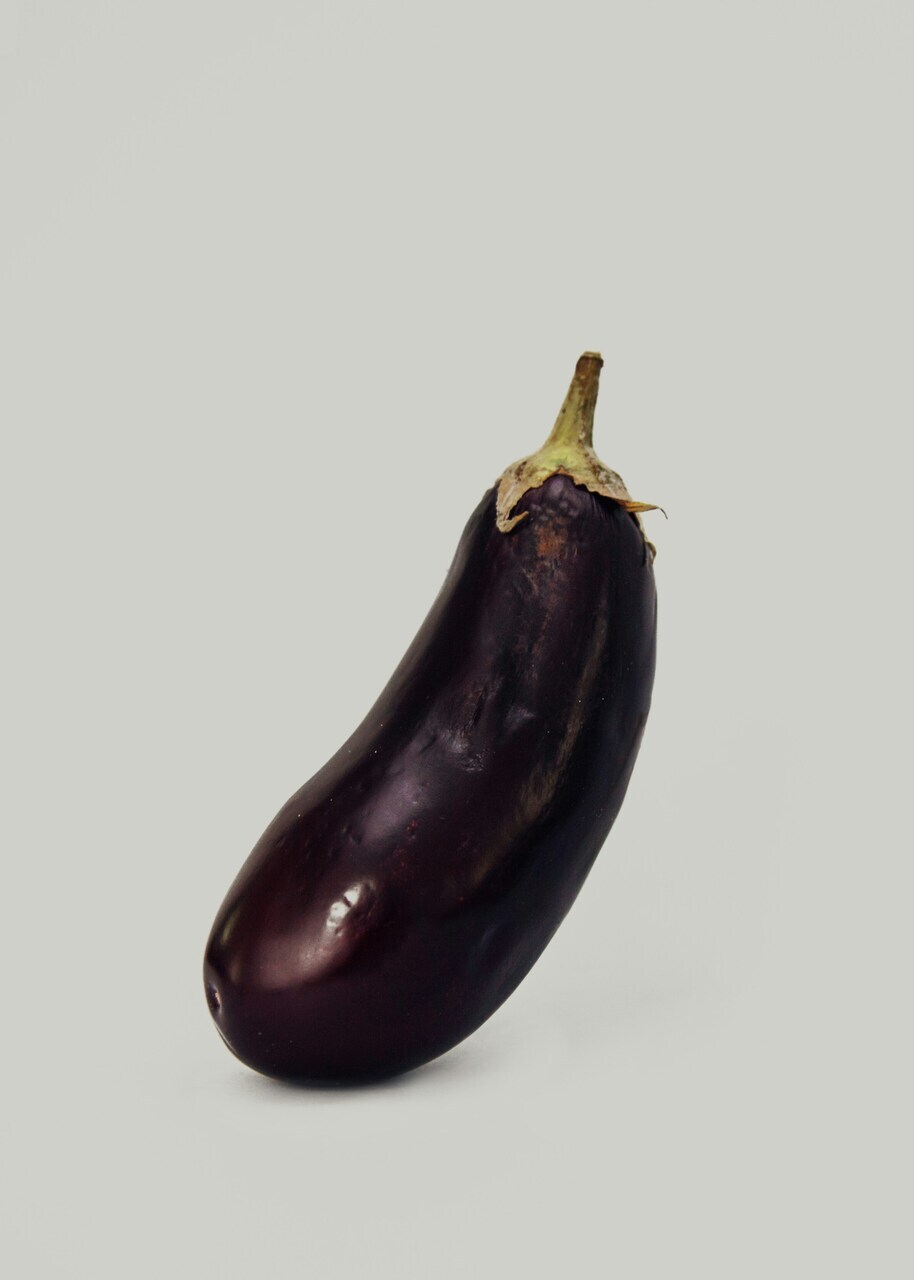
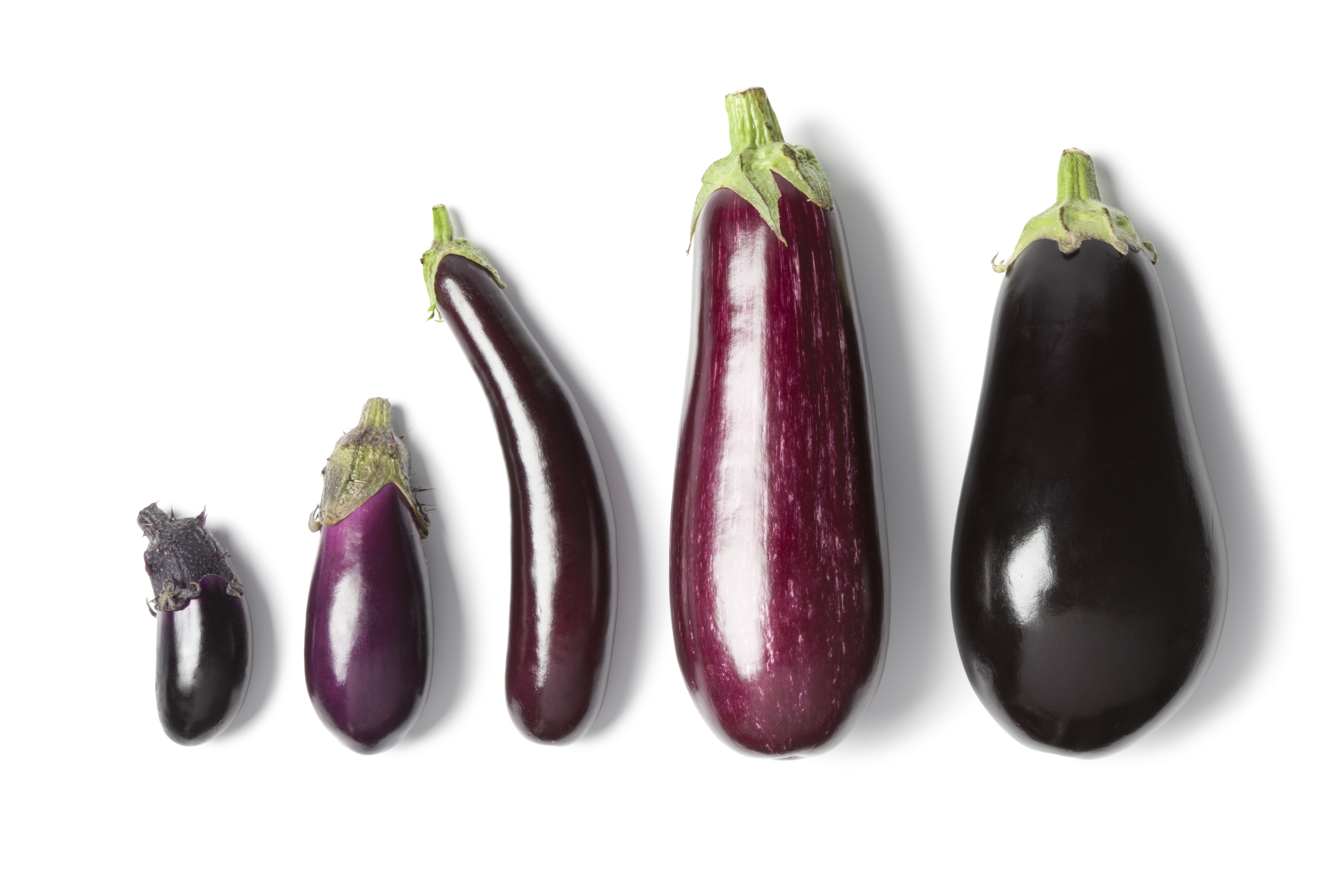
     eggplants.jpg

    What is the history of the eggplant?

    Arab agriculturists brought the eggplant to the Mediterranean from Persia and perhaps from the Arabian Peninsula in the ninth or tenth centuries. The Arabs seem to have discovered the eggplant already growing in Persia shortly after their conquest of that country in 642 A.D., although several ancient Arabic names for the eggplant seem to come directly from other Indian names, indicating that the plant may have arrived in the Arabian Peninsula in pre-Islamic times. 


    The Arabs have long been fond of eggplant, and medieval Arabic cookery manuscripts always have many recipes. Although eggplant was initially treated with suspicion, it soon became a favorite vegetable. In fact, the medieval Arab toxicologist Ibn Waḥshīya (circa 904) said it was fatal when eaten raw. 


    Sicily was one of the first places in Europe where eggplant was grown after being introduced by Arab farmers. They were grown in Spain by the tenth century, although the first clear reference to them in Sicily is from 1309, where they are called melingianas and are grown in a garden along with cucumbers and a kind of gourd (squash).


    Although the eggplant was once called “mad apple” (mala insana) because it was thought to produce insanity, this expression is not the etymological root of the Italian and Sicilian words for eggplant, melanzane, and mulinciana, respectively. 


    The Italian and Sicilian words derive from the Arabic word for the plant, bādhinjān, with the addition of the initial “M.” 


    There are numerous recipes for eggplant from thirteenth-century Spain. This is notable because eggplant was a relatively new vegetable in Europe, and this is an early date for its being common.


    Tortilla de berenjenas, an eggplant puree tortilla from Seville, is a recipe from the thirteenth-century Arab-Andalusi cookbook of Ibn Razīn al-Tujībī, the Kitāb faḍālat al-khiwān fī ṭayyibāt al-ṭacam wa’l-alwān.


    How did the perception of eggplant change?

    The eggplant probably began as an ornamental in gardens as it was thought to be poisonous. Slowly, it became a Sicilian favorite. 


    What’s a favorite traditional Sicilian dish that prominently features eggplant?

    Certainly there is eggplant Parmesan. Although also popular in Campania, it is typically Sicilian.


    For further insight and eggplant recipes, check out Clifford’s books, A Mediterranean Feast, An Italian Feast, and Mediterranean Vegetables, available at cliffordawright.com or through your favorite online bookseller. 


     If you enjoyed this article, consider subscribing to my newsletter for more content and updates!
  • Exploring the Sicilian Language with Gaetano Cipolla

    Exploring the Sicilian Language with Gaetano Cipolla

    My mother was born in the U.S. but didn’t speak English until kindergarten. Instead, she spoke Sicilian as she was brought up in a Sicilian-speaking household. She’s retained the language and uses it to communicate with our family back in Palermo and Porticello. 


    While I don’t speak much Italian myself, I am most familiar with the Sicilian language. 


    Notice I didn’t say dialect? That’s because Sicilian is a separate language with a rich history predating Italian. Recognized as a minority language by UNESCO and the European Charter for Regional or Minority Languages, Sicilian has its own Wikipedia section and is a featured Google Translate language.


    For more insight into this unique Romance language, I sat down for a Zoom session with Gaetano Cipolla, a retired professor of Italian and Chairman of the Department of Modern Foreign Languages at St. John’s University in New York City. Professor Cipolla additionally serves as president of Arba Sicula, an organization that promotes the language and culture of Sicily. 


    What is your background?

    I was born in Sicily. I am from Francavilla di Sicilia. I came here as an immigrant in 1955, and it’s been a long time. I taught at St. John’s and several other universities in the metropolitan area: NYU, Fordham, and others. 


    I became the president of Arba Sicula in 1988. I was also the editor for its publications.


    I’ve published several books on Sicilian grammar. One is called Learn Sicilian, which is already in its fourth reprint. The second one is called Learn Sicilian II, which is a continuation. It presumes that you have studied Sicilian and that you know some Sicilian. It’s an advanced course for Sicilian.


    How are your books being used?

    The first book, Learn Sicilian, is being used as a textbook in many different places. It’s being used at Italian Charities of America here in New York. It was also used at the University of Pennsylvania in Philadelphia. And it is used in New Orleans, Buffalo, New York, and Rochester. The first grammar book was translated into Italian by a colleague of mine who teaches at the Manouba University in Tunis. He is the chair of Sicilian studies there, and he’s teaching Sicilian using my textbook. 


    I had no idea that I would be able to see my textbook being used anywhere because it’s very difficult to introduce not only a new language into a program, for example, at St. John’s. I could have done it there, but not as part of the curriculum because people would probably object. What is the need for it? But I am glad to tell you that the first book is being used and bought in America by many, many people. 


    Tell us about your translation work.

    I am a translator of Sicilian poetry. I translate all of the major poets who have written in Sicilian because, as you know, most people think wrongly that Sicilian is a dialect and a corruption of Italian, which is absolutely wrong. 


    I have produced two books introducing Americans to Sicilian poetry because I believe poets are a country’s best ambassadors. 


    How did the various historical rulers of Sicily influence the Sicilian language?

    If you study Sicilian, you will find that it has all the different words introduced into the language by the various people who have been there—mostly Spanish, Arab, French, even German, of course, Italian, and even English lately. Sicilian is an amalgam, a mixture of all different things. However, it retains its characteristics and its own language. And it is one of the very few original languages. Sicilian has been spoken in Sicily since the inception of civilization.


    When the Siculi came to Sicily, they spoke a language that was similar to Latin. We don’t know for sure, but we think that they came from the region of Lazio. And so they spoke a language that was very similar to Latin. That was their original language. Some people believe that it actually survived all the different invasions and the different dominations that have come and gone, some of which left marks on the language, and some didn’t. For example, the Vandals came to Sicily, but not very many words of the Vandals or the Ostrogoths actually remain. 


    For the first 150 years of Italian literature, whatever poetry was written in Italy, not just in Sicily, was written in Sicilian. Sicilians created the language in a sense, and then it moved north after Frederick II, who created the Scuola Siciliana in the 13th century, died. So whenever people say that Sicilian is the corruption of Italian, it is absolutely wrong; Sicilian is its own language. If people say that Dante is the father of the language, which he truly is, then we must think that the mother of the Italian language is Sicily. 


    Are there variations of the language across Sicily?

    There are many variations. If you go to Sicily, when you go from one town to the next, even five miles away, you will notice differences because the language spoken there is part of their history. You have to go back into the history of the town in order to find out why things are different.


    When I started working on the Sicilian language, most people, even my colleagues who don’t know Sicilian that well, asked me which Sicilian I was going to teach. I said Sicilian is one language. It is not a hundred different languages. Of course, I know that they will speak in a certain way in Catania. In Palermo, the same word will be pronounced differently. In Ragusa, it will also be pronounced differently. For example, I’ll give you one word, the word for door, which is porta. In Catania, it will be pronounced so the consonant becomes like two Ts, which sounds like “potta.” Or if you say morte, in Catania, they say “motti.” However, the same words in Palermo will be pronounced differently. Morte will be pronounced “moitti.” 


    So, it’s almost an “oi” sound.

    Yes. It introduced a little something, an “i” there, that colors everything. Each parlante of the 10 differences that we see doesn’t impede communication. In other words, if someone in Palermo says “moiti” instead of morte, all Sicilians will understand it. Sicilian is pretty homogeneous when you write it. So, if you write Sicilian, you will write it one way. I’ve never seen the word porta written other than porta. The variations exist, but not in the written language.


    Is Sicilian more of an oral language than a written one?

    Most people, except poets and scholars, don’t write Sicilian because they consider it sort of an oral language. Most people don’t even think that Sicilian can be written. Whenever I presented my mother with a page or word from my Arba Sicula journal, she would look at it; she would sort of verbalize it in her mouth. And once she knew what the word was, she said it perfectly. 


    A couple of months ago, I was giving a lecture at the Italian Charities, and there was a man who’s been a member for many, many years—he’s in his seventies. He said, “Professor Cipolla, all my life, I have thought that Sicilian could not be written. I learned that Sicilian could be written only when I saw your work.”


    What unique phonetic or grammatical features distinguish Sicilian from standard Italian?

    A feature that is probably difficult for Sicilians is the sound of words like the song “Ciuri, Ciuri.” We have had difficulty actually coming up with a way of writing that sound. Most people would write it with a cedilla like in Spanish underneath the “C.” But other people would just pronounce it with a “C,” which is obviously not the right sound because that would be “Churi” and not “Shuri.” So even words like shirt, for example, would be camicia, pronounced “camicha” in Italian, but “camisha” in Sicilian.


    What do you hope people will take away from your lessons and writings about the Sicilian language?

    My work tries to educate the American public about the values and contributions of the Sicilians throughout their 3,000-year history. And it’s a job that is never finished because Sicilian culture is a vast microcosm. Sicilians have lived for 3000 years, sometimes independent, sometimes dependent on various dominators. But Sicilians have always kept their identity. One of the goals of my organization is to not only promote Sicilian culture but also to educate people. 


    >>For more info and Sicilian language resources, visit arbasicula.org.<< 


    If you enjoyed this article, consider subscribing to my newsletter for more content and updates!
     

  • Cucuzza is a Love Language for The Great American Recipe Finalist Marcella DiChiara

    Cucuzza is a Love Language for The Great American Recipe Finalist Marcella DiChiara

    At the back of my Sicilian grandfather’s impressive rose and vegetable garden, there stood a cage where, at the end of summer and early autumn, you would find enormous squashes hanging from the trellised roof. Nonno would pick these sometimes five-foot-long fruits, called cucuzzi, and bring them in for Nonna to prepare in a stew. 


    A similar cucuzza dish was recently cooked on an episode of PBS’s The Great American Recipe by finalist Marcella DiChiara, aka @BostonHomeCooking, who says she’s “just a Sicilian girl trying to demystify and simplify the art of cooking.”


    Marcella and I sat down to chat about her Great American Recipe experience and the Sicilian art of growing and cooking cucuzzi


    What is your background?

    My parents were both born in Sicily. My mother is from Siracusa, and my father is from the Province of Catania, a really small town right outside of Catania called Palagonia. My dad did not come to this country until much later in life, in his early thirties, maybe very late twenties. My mother came when she was 10.


    My mom speaks perfect English, but my father, Luigi, not so much. They live in Connecticut, which has a pretty large population of Italians, particularly Sicilians. 


    I’ve been an avid cook my whole life. I’ve no formal training whatsoever. 


    You were a finalist on The Great American Recipe. Tell us about that experience.

    I made it to the finale, which was really exciting. One of the last dishes you make before the finale is something called “Your Recipe DNA.” And it’s supposed to be a dish that literally defines who you are both culturally and spiritually.


    So, for me, there was absolutely no question that I was going to make cucuzza. And I was probably, in the same token, going to be introducing many, many people to this idea of this gourd. 


    Most people don’t know what it is. It’s not found anywhere in groceries or even at most farmer’s markets. It’s not found. And really, the only way you can come across cucuzza is if you grow them or you have an uncle or grandfather who grows them. 


    I knew the culinary producers would not be able to find a cucuzza for me. They told me, “I’m sorry, you’re going to need to come up with an alternative dish. This isn’t going to work for us.” We don’t know what that is, and we can’t find it. 


    So I said, “If I can get my hands on one and have it shipped, may I use it?” 


    They said, “Good luck finding one.”


    This was in October, so we were at the end of the growing season. I called a million places, and I found J. Louis Liuzza of Liuzza’s Cucuzza Farm in Independence, Louisiana. I messaged him on Facebook. He next-day air-mailed the most beautiful cucuzza I’ve ever seen in a wooden crate to the show. 


    I was so happy that I was able to prepare this dish on national television, which was really a really unique opportunity and a really sort of proud moment for me culturally from my perspective of growing up with this food, which, to me, is just synonymous with love and health and healing and history and simplicity. I mean everything that you would think of when you think of Sicilian culture; I just can’t think of a better representation in one food that sort of encompasses all of that.


    What cucuzza dish did you make on the show?

    I made a classic cucuzza stew with broken spaghetti, tomatoes, potatoes. I really wanted the essence of the squash itself to stand and speak for itself without overcomplicating it. Because to me, even though there are myriad ways you can prepare cucuzza, this was the way that I remembered it as a kid. And so I wanted to make sure that I kind of did that process justice just by presenting it in its simplest form.


    How was your cucuzza recipe received by The Great American Recipe judges?

    Well, I made one of the judges, Francis Lam, cry. Tiffany Derry, a restaurateur, has been to Sicily, so she had heard of it but never tasted it. Tim Hollingsworth, a famous chef from L.A., had never had it either.


    It was greatly received. I won that round. 


    The show is not a cutthroat competition. It’s really more about showcasing how food connects us in America because we are a melting pot. We are made up of so many different cultures and so many different traditions. And food is sort of that common denominator. Even though we all have different traditions and flavor profiles, it’s what kind of brings us all together. 


    I think the way I expressed my excitement for the cucuzza and the joy it brought me, that storyline… They liked that. 


    How did you land on the show?

    I was contacted by a casting agent out of L.A. who happened to stumble across my Instagram. They were looking for different pockets in different regions of the country to ensure that they had good, well-rounded representation. My Instagram handle is @BostonHomeCooking, and they were trying to check that New England box. So it just happened to be really good luck.


    You say you geek out about cucuzzi.

    People laugh. So many people have tasted cucuzza for the first time because of me. It’s just my love language. It’s weird. I know it’s a weird obsession, but I do love it.


    Do you grow your own cucuzza plants?

    I did this year, yes. 


    Every year, I go on this pilgrimage to find cucuzza somewhere. Somebody’s got to be growing it. One of my uncles, one of my cousins, whoever it is. But because we live in New England, and this is a very sensitive squash that requires a lot of heat and a good setup, some seasons they would yield a lot and others they wouldn’t.


    I was just so tired every year of begging to people for their cucuzzas. So I just decided that I was going to just grow them myself. Fortunately, I had an excellent growing season this year. I think I yielded six, and I still have two more on the vine, which is a lot for the space that I allotted. 


    What’s your cucuzza-growing set-up?

    I used netting initially for the vines to climb, just to facilitate the climbing. There’s a couple ways you could do it. You do not need anything fancy. You could grow snake squash on the ground. 


    It does not need to be elevated. The only reason why people do that is because it grows straight. When it’s on the ground, it’s really going to be formless, and that’s when you get a lot of those spiral ones. 


    I wanted mine straight though. I had a vision in mind, and so I used some netting. What I did was I took one of my kids’ old soccer nets that they were no longer using, cut it into pieces, and hung it down from the top of a pergola. It kind of grew up from there, and then it grew so out of control that it was over the fence, well into my neighbor’s yard. He’s the nicest guy and very tolerant of my hobby.


    I think my biggest one was almost four feet long, and it was hanging in his yard. He had no idea what it was. As a thank you, I’m going to make him and his wife a pot of cucuzza stew just to say thanks. 

    You said your father grew cucuzza plants when you were a kid.

    My dad had a very elaborate, thriving garden and still does, but because they spend time in Italy, he can’t really go too crazy. 


    To the cousins and family members that I have in Italy, getting excited about cucuzza would be the equivalent of getting excited about a piece of gum. They’re just like, “Okay, calm down.”


    “It’s not that deep,” my son says.


    It is to me!


    My daughter is 15, and I’ve made it my life’s work as her mother to teach her how to make this dish because I am scared that this will sort of get watered out of our cultural identity. 


    For me, it’s very important to make sure that I continue those traditions with her and to emphasize how important it is for her to do the same.


    Where do you get your cucuzza seeds?

    So, my dad brought me some Sicilian seeds, but to be honest with you, the best seeds I got were from my contact in Louisiana. My dad’s are this monochromatic lime green—nothing special, but the three-tone from Louisiana… It’s almost like tie-dyed or tiger-striped. I’ve never seen it in Sicily, and neither has my father. 


    How long does a cucuzza take to harvest?

    I indoor plant my seeds in April. They sprout very quickly. Within two weeks, they’re about six to 12 inches tall. From there, once they can sort of stand on their own, I then plant them in ground or in my raised garden bed. And it’s a very quick growth in terms of leaves and vines, but the cucuzza themselves didn’t start growing until July.


    It’s all temperature-dependent. Our summers don’t start to get very hot in New England until mid-July, and the cucuzza is a very heat-loving plant. Once you get past the six inch mark, you’re past the danger zone. You’ll get 30 or 40 little ones that are maybe four or six inches, and they’ll die on the vine, shrivel up, and die. 


    If you are having problems producing at all, it might mean that you don’t have any insects pollinating for you. So you can self-pollinate. You can take a Q-tip. Or if you’re really rustic, you just rip the flower off and [rub the male and female flowers together]. I did that for a few flowers, but most of the ones that grew, I didn’t have to do.


    It sounds intimidating, but it’s really not. You’ve just got to water them every day, and you to have a good hot summer, which is why Sicily is the perfect island to grow them on.


    Is there a secret to growing a bountiful cucuzza harvest?

    There’s all kinds of wives tales about what you should add to your soil. My dad is adamant that he takes the old espresso grinds from his coffee machine and then sprinkles them into the soil, which I did that. I have no idea if that really does anything. I also use manure just to sort of naturally fertilize and that’s it.


    How do you store cucuzzi after harvesting?

    They don’t all come out at once. They’re very scattered in terms of the rate of growth and production. I prepare one almost immediately, and then a week later, another one will be ready to pick, and another. So it is spread out.


    The best way to maintain your stash would be to cut it, peel it, and blanche it. Then drain it, airtight it, and then freeze it. 


    What’s the texture and taste of cucuzza versus zucchini?

    I always have the hardest time describing cucuzza to people. It’s not like a zucchini. Zucchini, to me, does not have a sweet undertone at all. This does, and it’s almost like the texture and consistency of what you’d have if you were to cook a cucumber.


    Zucchini has a very distinct, almost earthy flavor, whereas a cucuzza, to me, tastes like candy.


    My kids are like, “Do you know what candy tastes like?”


    Maybe that’s the wrong word for them. But when I say that, I just mean the sweetness. You really don’t have to do much in terms of enhancing it.


    What are some ways to cook cucuzzi?

    The classic way is just the stew, which ironically is a soup essentially, and nobody would ever think that you would eat soup in the summer, particularly in Sicily, when it can be upwards of 110 [degrees Fahrenheit]. But they do. It’s like this weird exception where they just eat it in the summer. 


    What I’ve been learning from some cucuzza Facebook groups is that down south, they marry it quite often with shrimp, which is something I had never done or thought to do. They almost do a jambalaya-type dish.


    I like it fried, just straight-up fried with a little balsamic vinegar, and then obviously the pasta. I make different versions of it. I’ll add sweet potatoes just to give it a different flavor profile. 


    When you share your love for growing and cooking cucuzza, what do you hope people take away?

    I hope people are open to the idea of connecting to produce that is so indigenous to such a small island and appreciate its uniqueness because it is not plentiful where we are here in the United States. I want them to appreciate it in a way that you wouldn’t necessarily give a regular vine vegetable. It’s really a marvel.


    >>Get Marcella’s Cucuzza stew recipe here!<<


    If you enjoyed this article, consider subscribing to my newsletter for more content and updates!
  • Exploring Sicily’s Food History with Mary Taylor Simeti

    Exploring Sicily’s Food History with Mary Taylor Simeti

    In the wake of the popular series From Scratch and season two of The White Lotus, Sicily’s having its moment as a destination. But that wasn’t always the case. Little was known of the region in the U.S.—except for its ties to organized crime and mobster movies. 


    Writer and native New Yorker Mary Taylor Simeti had a different view. Living in Palermo and working on her husband’s family farm, she sought to share insights into the island’s sacred festivals, colorful residents, and vibrant produce.  


    The result, On Persephone’s Island: A Sicilian Journal, transported to a whole new world, rich with introspection into what it means to be both a foreigner and a resident on Italy’s largest island.


    Mary spoke to me about the challenge of publishing such a book in the 1980s. Thankfully, the former regular contributor to the New York Times and Financial Times persisted and followed up with Pomp and Sustenance, the first English-language Sicilian cookbook.


    Read on for our chat about the fascinating history of Sicily’s food and how, at Bosco Falconeria, she and her husband paved the way for the island’s certified organic farming movement. 


    Tell me about your background.

    Well, I am American-born and grew up mostly in New York City. But as soon as I finished college, I came to Sicily to work as a volunteer for Danilo Dolci, who had a center outside of Palermo for development work. Sicily was still extremely poor, and there was still a lot of bomb damage and other damage from the war and also from centuries of invasion and exploitation. I meant to stay for a year. I’ve been here now; well, it’ll be 62 years next month.


    Where in Sicily are you?

    I started out in Partinico, and then I spent 25 years in Palermo. And then we moved out once our children had finished high school in Palermo and were off studying elsewhere. We moved out to my husband’s family farm, which is halfway between Palermo and Trapani, which is the westernmost point of Sicily.


    What drew you to Sicily, and why did you stay?

    Well, what drew me was the possibility of doing volunteer work with a development organization. This was 1962. It was the period of the big period of the Peace Corps. I didn’t want to join the Peace Corps. I wasn’t sure that I wanted to work as a representative of the American way of life. I thought everybody was entitled to their own way of life. I thought I wasn’t going to stay very long, but I met my husband, I married him, and we thought we were going to be traveling around the world.


    He was an agronomist (an agrarian economist), and he had applied to the FAO. We imagined a sort of itinerant life in the developing world with our basis here in Sicily. But then, two years after we were married, his oldest brother, who was running what was left of the family farm and taking care of the aging parents, died very suddenly. And we were left holding the bag, so to speak, and it became a passion. We were reluctant in the beginning but very glad in the end. The whole thing is, my whole life has been sort of serendipous. It’s not planned.


    How has your perspective on Sicilian culture evolved since you first arrived?

    I was a medieval history major in college. And so I knew that sort of Sicily. I knew very little about modern Sicily. I came with curiosity, and I had the good luck to work together for a couple of years with an American anthropologist who was also volunteering at the center. She gave me tools to read what I was seeing. I don’t think I had a very clear idea in the beginning, but I was open to finding out. 


    I didn’t have a stereotype. Sicily was off the charts those days. People, it was considered a black hole of mafia and poverty and dried out wheat fields. I mean, a lot of people didn’t have any idea of the enormous cultural heritage that is. And still, when my first book, On Persephone’s Island, was published in 1986, the first editor I talked to about it in New York said to me, “Well, of course, you realize nobody wants to read the book about Sicily, but I like this idea… Why don’t you develop that?” I said, well, I’m not interested in developing that. I’m interested in writing about Sicily. And I went elsewhere. I was lucky, but I managed to find people who were curious.


    What was your goal with On Persephone’s Island?

    Well, I had always loved writing, but I had this feeling that I couldn’t write a book about Sicily unless it were a definitive work, and it was obviously beyond me. I don’t think there’s anybody who could do the definitive work on Sicily because it’s such an ancient and multifaceted place and culture. But I started writing the book because I had been asked to accompany a group of alumni from my American college around Sicily. Though I wasn’t prepared to be an art history guide, I started telling people about what they were seeing in the fields, what was growing, how it was used, and how it was harvested. A lot of information that I had gained simply by living on a farm and because of what my husband did, but information that’s not included in guidebooks. And I discovered that people were really interested. 


    What unique aspects of Sicilian cooking have you shared over the years with your books?

    Well, for one thing, its antiquity. I mean, it is fusion cooking over the millennia, basically because it was conquered many, many times. What are considered the indigenous people of Sicily were not. People were living here at the end of the Ice Age. 


    There were three different peoples that came in: The Greeks came, and then the Romans came, and the Phoenicians were already here. Then, the Arabs came in and took over Sicily in the ninth century, and they were kicked out by the French Norman, a small colonizing force of roving knights. The Normans built a magnificent civilization that synthesized the great works of Norman architecture, the cathedrals, called the Arab-Norman Cathedrals, which have a combination of recycled Greek or Roman sculptures and mosaics from the Byzantine with Arab motifs. And they were glorious mixtures of all these traditions. And then we had the French, and then we had the Spanish, and then we had the Northern Italians, and so forth and so on. It goes on and on and on. Each of these people brought in not only new ideas and new art forms but also new plants and new vegetables and new fruits and new methods of cooking them. 


    How was Sicilian cuisine influenced by its diverse historical rulers and cultures?

    I do know that in a cave, in a cavern on the western shore of Sicily, they’ve found lentils, chickpeas, and farro, which were developed in Anatolia and the Mesopotamian Highlands around 10,000 B.C. So people came and brought with them the foodstuffs. The known prehistoric peoples that came to Sicily were probably eating much the same basic diet as the Greeks. 


    One of the things that has determined Sicily’s importance in history and how things have played out is the fact that it is mostly volcanic, extremely fertile soil. It’s a big island. It’s the biggest island in the Mediterranean, has a very central position, and very, very fertile soil yields much greater than anything the Greeks had ever seen in Greece, for example. Whereas classical Greece was praising the “Golden Mean” moderation of all things in terms of food. That was an invention of necessity. They couldn’t indulge enormously because they didn’t grow enough food. 


    One of the reasons for Greek colonization across the Mediterranean was the search for new sources of food. When they got to Sicily, they went a bit wild and started developing a very elaborate cuisine. The first cookbook in the Mediterranean world was written in Syracuse, and the first school for professional chefs was in Syracuse. There are certain traits that are still very common that come from the Greeks, such as the use of dried currents together with pine nuts, which is often attributed to the Arabs but was in the Roman cookbooks, which were, in turn, inspired by the Sicilian chefs.


    Sicily is famous for its pastry traditions, and there are two very different traditions. One is the simpler cakes and biscuits, and very often with a fig filling using sesame seeds, but the Greeks sweetened with either honey or had vincotto, a boiled-down grape must.  


    When the Arabs came, they brought cane sugar, which arrived in Europe first through Sicily and then through Muslim Spain. It gave a much wider range of possibilities because it crystallized and remained crystallized, which honey or vincotto didn’t. 


    They brought in almond paste, and they brought in crystallized fruit, and together, with the sugar, a whole tradition that became in the 12th and 13th centuries an important economic export of Sicily, famous for the sweet stuff that they sent north.


    Then, they brought in new vegetables. They brought in the artichoke as we know it today, probably the lemons and certainly the bitter orange. The eggplant was brought by the Arabs, but whether they came here first or whether it came back here later from Spain with the Spanish Muslims is a question.


    The Arabs were the first people to bring in and produce dried pasta as we know it today. The Romans had things they did with wheat and water that were similar, but the idea of a dried thing that you then boil came here thanks to the Arabs. 


    Tell me about your farm, Bosco Falconeria.

    It’s on the edge of the boundary between the territory of Partinico and the territory of Alcamo. But it’s an area in which most of the land belongs to people from Alcamo. 


    This piece of it was bought by my husband’s grandfather in 1930. So it is close to a hundred years we’ve been here. My husband and I rebuilt the farmhouse, which was not in good shape but was quite badly damaged in the 1968 earthquake. And we used the government subsidies for earthquake damage to rebuild the frame of the house.


    My husband’s grandfather was a wine merchant maker. The wine that was made here on the farm was wine that came not only from his own grapes, but in that era, this was an area of small farms; there were no cooperative wine cellars. So, the small peasant with a few acres of vineyards was at the mercy of a middleman who would charge him outrageously high interest on the money. They advanced him so that he could get through the next year’s cultivation. 


    My husband’s grandfather was a wonderful man, and he loaned money to anybody who asked him without ever charging any interest. So he had a fairly good-sized clientele; people who came brought him their grapes. The wine was made here and stored here. And then most of it was taken down in barrels, mounted on Sicilian carts, to the port, where there were the warehouses of the big vermouth companies. Because in those days, most Sicilian wine was not table wine. It was a very strong wine that was used either to make vermouth or was sold in Europe to be taken to Northern Europe to bring up the alcoholic content of the much weaker northern wines.


    The alcoholic content of wine depends on how much sun the grapes get. It’s the sun that brings out the sugar content, and in northern climates, wines tend to be much lower in sugar content and, therefore, less stable. The stronger the wine, the better it keeps and the better it ages.


    So that’s what Sicilian wines were: mostly really strong stuff still. The big transformation of the Sicilian wine industry started in the seventies, and now almost all the wine I think that’s produced here is table wine. Some of it’s still pretty undrinkable, but most of it is really excellent. The wine picture has changed totally since I’ve been here.


    Aside from wine grapes, what else do you grow?

    We have olives, we have table grapes, and we have avocados, which are a novelty here. We have a small mixed citrus orchard. We sell some grapefruit and some oranges, but mostly, they are for family consumption in one way or another. And we don’t do much in the way of vegetables anymore. We used to, but they’re so labor-intensive.


    We went organic before there was organic certification in Italy in the second half of the 80s. And in the beginning, it was worth it. Even though we had to pay a lot in labor costs, it was worth our while to produce organic vegetables because there weren’t that many producers of organic vegetables. Nowadays, there’s a lot of organic produce in Sicily, more than any other region in Italy.


    You’ve written six books. What do you hope readers take away?

    Well, in the beginning, I really wasn’t thinking about that. I was just hoping that there were some people out there who might be interested in things that I found so interesting about Sicily. I was first told nobody wanted to read about Sicily. And then, when I told my editor I wanted to do a history of Sicilian cuisine, she said, “Oh, is there one?” And Pomp and Sustenance was the first book in English on Sicilian cooking. Americans, for a long time, didn’t even realize that there was anything more essential than the difference between the white cuisine of Milan and the red cuisine of Naples.  


    In the beginning, it was simply to talk about the things that were interesting here and hope I could pay back Sicily for all it’s given to me. I felt like a self-appointed ambassador.


    I’ve had so many beautiful letters from people who say, “You gave me back childhood recipes my grandmother used to cook.” That has been totally unexpected but very, very rewarding.


    If you enjoyed this article, consider subscribing to my newsletter for more content and updates!


  • Why and How You Should Sun-Dry Tomatoes

    Why and How You Should Sun-Dry Tomatoes

    My Sicilian grandmother may have been the cook of the household, but it was my grandfather who grew much of the produce she used in her dishes.


    I can still remember sitting in the kitchen as Luciano Pavarotti’s tenor voice filtered through the fragrant air. Nonna was stirring a pot of something wonderful on the stove when Nonno burst through the door with a tray of sun-dried tomatoes. He’d dried them himself by wrapping the tray in plastic and setting it out in the sun to do its magic. Who needed store-bought when doing it yourself was so easy and delicious? 


    Food blogger Andrea Lagana of Hip Hip Gourmet agrees, but she “sun dries” her tomatoes in the oven before popping them into a dehydrator. 


    “Doing it outside is nice and all, but there are lots of variables to consider (such as bugs, temperature, rain, etc.), so using a dehydrator is the no-fail preferred method in our family,” she says.


    Andrea took time out to share why she dries her own tomatoes, which tomatoes are best for drying, how to boost dried tomato flavor, and which recipes are best for sun-dried tomatoes. 


    What is your background, and where is your Italian family from?

    I’m a proud second-generation Italian. Both of my parents were born in Italy, both in Calabria, but in different towns. My dad is from Scilla, and my mom is from Montalto Uffugo.

    Did your family sun-dry tomatoes?

    My parents don’t actually remember their families sun-drying tomatoes in Italy because they were so small when they left. However, my mom does have a few memories of her aunts and uncles sun-drying figs from their fresh backyard fig trees, so I’m sure it’s not far-fetched to say that they did tomatoes, too.


    When did you start sun-drying tomatoes, and why?

    I started sun-drying tomatoes as soon as I started living on my own (about a decade or so ago!). It was always a staple in our house growing up and something I would help my parents make every year. I just knew I had to carry on the tradition not only because we’ve been making them for so long but also because they’re so dang delicious, and I seriously can’t live without them! So much so that I’ve actually vowed to make them every year for the rest of my life.


    What is your preferred tomato-drying method?

    I personally like to start my fresh halved (usually Roma or San Marzano) tomatoes in the oven on the lowest rack for a couple of hours. Then, I transfer them to a dehydrator to finish drying out. This process can be long and requires patience and persistence, as you have to keep going in every so often to check on them and take the ready ones out (they can be ready at different times). I like this method because it’s efficient, reliable, and easy.

    However, if I lived in Italy under the hot Italian sun, perhaps I would stick to the old-fashioned way of actually using the sun to dry them out completely. My mom used to start them outside in the sun in our backyard (instead of the oven), and then she’d move them to the dehydrator to finish.

    How does the process differ from traditional sun-drying?

    Traditional sun-drying includes salting the halved tomatoes to draw out excess moisture (which we don’t do) and placing them in direct sunlight for several days with a protective covering like a screen or a cheesecloth to keep the insects away. The tomatoes will get rotated or flipped a few times during this process to ensure even drying. The process is generally longer than my family’s method of using a dehydrator, as the sun must be shining in order for the tomatoes to dry out completely. 


    What types of tomatoes are best suited for sun-drying?

    We love using fresh and ripe Roma or San Marzano tomatoes for sun-drying. These beauties are the perfect size (go for the smaller ones) and have fewer seeds and more “meat” than other varieties. They also have a firm texture and lower water content, making them ideal for sun-drying. We also make fresh tomato sauce at the same time, and, as any Italian will tell you, Roma and/or San Marzano are basically the only options!


    Can you list some common mistakes to avoid when making sun-dried tomatoes?

    • Not using the right tomatoes: Remember, San Marzano or Roma. My Italian parents wouldn’t approve of any other variety! 
    • Overcrowding the dehydrator. The air needs room to circulate, and overcrowding the trays or overlapping the tomatoes will result in uneven and improperly dried tomatoes. For best results, place the tomatoes in a single and even layer.
    • Taking the sun-dried tomatoes out too soon. You want to make sure they are dry but still bendy when you press them between your fingers. They shouldn’t be moist, squishy, or hard at all. 
    • Not tossing the ready ones in a splash of oil while waiting for the rest to finish. As I said, this process can take several days (or even weeks, depending on how many tomatoes you’re drying). Tossing the ready ones in a bit of oil and keeping them in a container with a tight-fitting lid keeps them fresh and prevents mold before jarring.
    • Not ensuring that all of the sun-dried tomatoes are completely submerged in oil at all times (after jarring). Make sure to always press them down beneath the oil with a fork after each use and/or topping up the oil as often as is needed.
    • Not having patience. It’s a virtue and so required in this process. But trust me, it’s totally worth it and will pay off tenfold!

    How can you enhance the flavor of tomatoes during the drying process?

    You can definitely add salt to the halved tomatoes before drying. I’m sure you could also add some spices (e.g., garlic powder or Italian seasoning) if you wish. I haven’t ever tried doing this before drying, but I’m sure it would be a good experiment.


    Personally, my family likes to keep the tomatoes plain Jane during the drying process. We enhance the flavor after the tomatoes are completely dried out by adding loads of fresh chopped garlic, oregano, salt, and oil as we jar them.


    What are the benefits of drying tomatoes at home versus buying them from a store?

    Like anything homemade, they’re just way better for so many reasons! First and foremost, they are much cheaper in the long run than store-bought varieties. I find that you can’t find a good-tasting jar of sun-dried tomatoes for less than $15 these days (and I’m talkin’ the smallest of small jars you could find). I also find that the oil used in most jarred varieties isn’t an oil I consume on a regular basis, so I prefer making my own so I can control the exact ingredients and measurements that go into each jar.


    And, of course, the real benefit of making sun-dried tomatoes at home is that I seriously cannot find a sun-dried tomato that is as delicious as the ones my family has been making for all of these years. Call me biased, but it’s a fact!

    What are some creative ways to incorporate sun-dried tomatoes into your cooking?

    I love using sun-dried tomatoes in my cooking, so I feel like I can never have enough of them! Eating them straight out of the jar is, of course, also delicious. But here are some ways I like to use them:

    • In pasta—why, of course! I wouldn’t be Italian if I didn’t suggest throwing some into the next pasta dish you make. My mom adds them to her pasta aglio e olio (a traditional simple olive oil and garlic pasta), which takes it to a whole other level.
    • If you’re feeling fancy (but not really, because all it takes is 10 minutes to make!), try my pesto rosso (aka my sun-dried tomato pesto), where the homemade sun-dried tomatoes are the true star! You can use this pesto on pasta, as a base for a pizza, or as a marinade for things like chicken or pork. It’s even great on eggs.
    • I love chopping sun-dried tomatoes and adding them to anything, from pizza (they’re so good on pizza!) to meatballs (like my homemade sun-dried tomato turkey meatballs with spinach and goat cheese). 

    One of my favorite things to do with sun-dried tomatoes is make Mediterranean-inspired dishes. They pair well with olives, capers, artichoke hearts, and spinach.

    Here are two of my go-to recipes that use sun-dried tomatoes:


    If you enjoyed this article, consider subscribing to my newsletter for more content and updates!