Author: wp@codeaddicts.io

  • Una Storia Segreta: How Wartime Hysteria Silenced 600,000 Italian Americans—And the Exhibit That Finally Told Their Story

    Una Storia Segreta: How Wartime Hysteria Silenced 600,000 Italian Americans—And the Exhibit That Finally Told Their Story

    December 7 is a date which will live in infamy. It was the day Japan bombed Pearl Harbor, but that night, the Federal Bureau of Investigation also began arresting “potentially dangerous” Japanese, Germans, and Italians. And they did so before the United States was officially at war.


    This response was far from last-minute. Since 1939, the FBI had been compiling lists of suspicious and allegedly subversive persons they decided required surveillance and, in the event of war, internment. Among the hundreds targeted and later interned were journalists, Italian Consulate employees, and veterans of World War I (when Italy and America were allies). Opera star Ezio Pinza was arrested for allegedly altering his singing tempo to send coded messages to Benito Mussolini.


    Internees were sent to military camps in states including Montana, Oklahoma, Tennessee, Maryland, and Texas, where many spent years imprisoned. How could the government do this? Title 50 of the U.S. Code, based on the 1798 Alien & Sedition Acts, gave them the power to detain “enemy aliens” in emergencies.


    The government effectively declared war on much of its immigrant population, imposing restrictions on about 600,000 Italian residents without U.S. citizenship who, on Dec. 8, had been designated enemy aliens by presidential proclamation. These “enemy aliens” were required to re-register as such; FBI agents raided homes and confiscated weapons, radios, cameras, and even flashlights. Non-citizens on the West Coast were placed under a strict curfew, required to carry “alien enemy” ID booklets, and told they would need a permit to travel more than five miles. Those who did not comply were subject to arrest and detention.


    On February 19, 1942, President Franklin Roosevelt signed Executive Order 9066, authorizing the military to designate areas of vulnerability and relocate individuals deemed a threat to national security. More than 120,000 Japanese people, including American citizens, were forcibly displaced. What’s lesser-known: By the month’s end, the government ordered the evacuation of at least 10,000 Italian Americans from their homes in California alone. People had just days to relocate. 


    Why isn’t this in most history books? The question bothered San Francisco Bay Area historian and author Lawrence DiStasi, whose father came to the U.S. from Italy. He began digging through records and archives, collecting testimonials, and eventually created a traveling exhibition called Una Storia Segreta, Italian for secret story and hidden history.


    His efforts and compiled testimonies induced President Bill Clinton to pass the “Wartime Violations of Italian American Civil Liberties Act,” which was signed into Public Law 106-451 in November 2000. While no reparations were distributed, the act acknowledged injustices suffered by Italian Americans during the war.


    DiStasi compiled a collection of essays and accounts about Italian wartime restrictions and internment in Una Storia Segreta in 2001. He wrote a deeper analysis in Branded: How Italian Immigrants Became ‘Enemies,’ published in 2016.


    I discovered these works in June 2020 while researching my World War II-era historical novels. Later, I encountered the original Una Storia Segreta exhibit at the Pittsburg Historical Museum in Pittsburg, California, where the federal government evacuated about a third of the population in 1942. The website, unastoriasegreta.com, reproduces the exhibit.


    I was delighted to have the chance to speak with DeStasi about his important work and its legacy.


    Share the story behind Una Storia Segreta with us.

    I had never heard a thing about these events when I was growing up in Connecticut. When I came to California in the late 1960s, I started to hear about this real turmoil in the Italian American community, specifically in San Francisco and Pittsburg, up on the Delta. I thought this was really an important story, but everybody said no one would talk about it because they were embarrassed and ashamed. There was also animosity in the community because some people had informed on others.

    Eventually, we in the American-Italian Historical Association’s Western Chapter decided to hold a conference in 1993 at the University of San Francisco. And it was a sensation. Somebody at that conference said, “Why not do an exhibit?”


    We had never done an exhibit before, but four of us decided that we could, in fact, do this. So, with Rose Scherini as our chief researcher, and I as the project director, and with Adele Negro then president of the AIHA Western Chapter, and a designer we found named Elahe Shahideh, who had done a previous exhibit at the Museo Americano in San Francisco, we set out to make it happen. We had panels nailed to the wall, and we managed to gather some artifacts. A friend of ours, an Italian teacher, suggested the title Una Storia Segreta, which means both “a secret story” and “a secret history.”


    Opening night was an absolute smash sensation. People from all over the Bay Area wept in front of the panels. We got more publicity for that than any other effort we had ever made. It was featured on the front page of the Style section of the San Francisco Chronicle.


    That started us off, and Bill Cerruti from Sacramento, with the help of Connie Ilacqua Foran, whose father had been interned and whose husband was a senator, got approval for the exhibit to come to the Capitol in Sacramento, and that was huge. The governor signed a proclamation. We had a banner in front of the Capitol that said “Italian American Exhibit.” Bill spent about seven thousand dollars to make our panels, which were displayed around the rotunda of the Capitol.


    It was a beautiful exhibit, and that gave us more publicity. We started getting requests from all over California from Italian-American organizations who wanted to host the exhibit. When it went down to Monterey, where many fishermen were affected, our friend Hugo Bianchini, an architect, decided to make frames for each panel. We got the exhibit framed and put it in two traveling crates.

    Hugo said, “This exhibit will be traveling for five years.” We thought he was crazy. It turns out that Una Storia Segreta ended up traveling for more than twenty years.
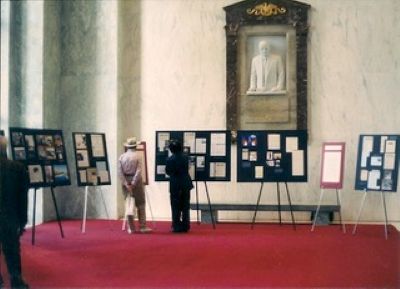
     

    una-storia-segreta-rayburn-exhibit-wall.jpg
    Una Storia Segreta panels on display at the Rayburn House Office Building


    How did the exhibit inspire the passage of legislation?

    People would request that I come with the exhibit to give a talk, so I went all around the country. We had it at several state houses as well, all without soliciting any organizations. It just traveled by word of mouth.


    The highlight was when we displayed it in the Rayburn House Office Building in Washington, D.C. John Calvelli, the chief of staff to Elliot Engel at that time, saw the exhibit in the Rayburn and said, “We can pass legislation about this.” So, he took the lead in getting the legislation drawn up and got us Judiciary Committee hearings, at which I and several community leaders spoke. We managed to get Ezio Pinza’s wife to come and testify at our hearings. She gave a very moving testimony. We also persuaded baseball great Dom DiMaggio to testify.


    We also had several people from the Bay Area testify in Washington, D.C. Afterward, John Calvelli said, “We hit a home run. We’re going to get this legislation passed.”


    After two tries, the Wartime Violation of Italian American Civil Liberties Act was passed and signed into law by President Clinton in 2000. That was a real success.
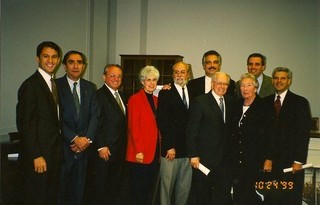
     

    una-storia-segreta-judiciary-hearings.jpeg

    Attending Judiciary Committee hearings in Washington, D.C.


    Was your own Italian family affected by these wartime events?

    I would go around the country saying, “Can you imagine there are people whose own families were affected and didn’t even know about it?”


    Well, I turned out to be one of those people. Because my father and my uncle were both classified “enemy aliens” during the war, and nobody ever talked about it until our exhibit went back east.


    My sister asked my cousin, “Did you know about any of this? Can you imagine?” And my cousin Rosemary said, “Well, yes, my father was an ‘enemy alien.’ They came and took our radio.”


    Then my daughter was looking into Italian citizenship, and I asked a friend in Washington if she could send me my father’s records. That’s when I learned that my father was actually an “enemy alien” himself. He never said a word about it. We have none of his papers or anything like that, but that was the story. That just knocked me off my feet; I couldn’t believe that that was the case, but that was why we called it Una Storia Segreta. Secret story, secret history.
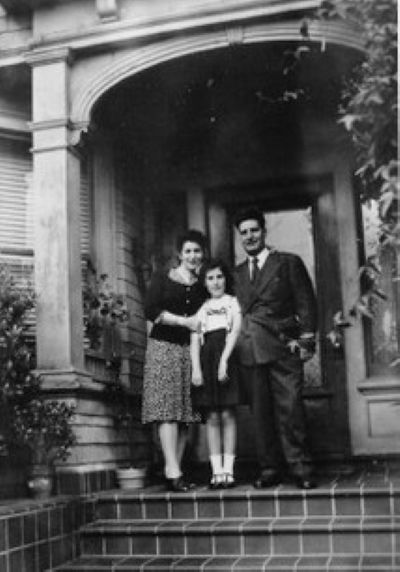
     

    una-storia-segreta-ilacqua-family.jpg

    A young Costanza Ilacqua Foran stands between her parents.


    Which stories featured in Una Storia Segreta and Branded stand out most?

    Connie Ilacqua Foran’s father in San Francisco was interned. They interned him because he worked with the Italian Consulate a little bit.


    Rose Scudero became one of our star informants because her family was evacuated and had to move out of Pittsburg. Her father could stay, but she left Pittsburg with her mother. When the restrictions were lifted, she said she was a little bit like Paul Revere, running back to Pittsburg through the streets, shouting, “You can go home now; you can go home now!” That was really moving. 

     

    una-storia-segreta-notice-to-evacuate.jpg 
    Notice to evacuate from U.S. Attorney General Francis Biddle


    What message or lesson do you hope to share with your work?

    During wartime, anything can be justified. You never know what the powers that be can make the case for.

    I just want readers to know that this happened despite all the denials and attempts to hide it. History is never quite complete, and you can always find out something new.


    I’m very proud of the work we did. We put this thing on the map, and it’ll never again be forgotten or hidden because over 600,000 Italian Americans were affected by this one event. It’s one of the biggest things that’s ever happened in the Italian American community.


    If you enjoyed this article, consider subscribing to my newsletter for more content and updates! 
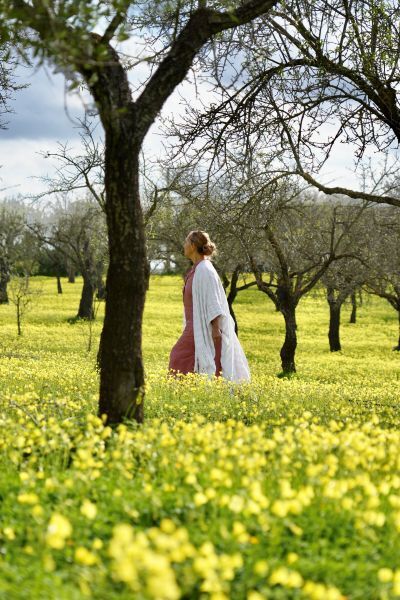
  • Live Like a Sicilian Aristocrat: Inside the Gastronomad Experience

    Live Like a Sicilian Aristocrat: Inside the Gastronomad Experience

    Mike Elgan has a secret. He and his wife/business partner, Amira Elgan, are hosting their first Gastronomad Experience in Sicily. He can tell you that you’ll spend a week “living as a Sicilian aristocrat.” You’ll enjoy authentic cuisine and wine enriched by Mount Etna’s volcanic soil. But the rest is largely under wraps. 


    It’s part of the fun—and the highly exclusive experience. Drawing from their own gastronomist lifestyles, the pair offers behind-the-scenes access to local food, wine, and cultural experts that typical tourists cannot access in Italy’s Venice and Prosecco Hills, France’s Provence, Spain’s Barcelona and nearby cava wine country, Tuscany, Morocco, Mexico’s Oaxaca, Mexico City, El Salvador, and now Sicily.


    Amira has worked as food and beverage director for hotels in Los Angeles and New York City, including Mondrian, the Bonaventure, the Beverly Wilshire Four Seasons Hotel, and the Doral Hotels in Manhattan. A board-certified holistic health counselor, she is also the creator of The Spartan Diet and has written about food, nutrition, and health for decades. Meanwhile, Mike is a technology and culture journalist and the author of Gastronomad: The Art of Living Everywhere and Eating Everything.


    Mike shared more about the Gastronomad Experience, why they chose to include Sicily, what makes their offerings unique, and what he hopes participants will take away.


    What inspired the creation of the Sicily Gastronomad Experience?

    Around 2006, Amira and I took a vacation with our kids, and I’d been reading all the stuff about digital nomad people, and this idea that you could travel while working was really great. I decided to do an experiment for a column I was working on for Computerworld.

    The experiment was that I would be in remote areas of Central America, looking at ancient Mayan ruins with my family. I wasn’t going to tell my editors or anyone else that I was doing this.

    I went to meetings and did all this stuff. Nobody noticed that I was not in my home office. And so there was this revelation: “We’re going to travel full time.”


    My wife was working for AT&T at the time, so we decided to take a vacation. We went to Greece and loved the life so much that my wife called and quit. We just stayed in Greece, traveling on islands for six months, and we’re like, “OK, we’re doing this. That’s it.”


    Over time, we got rid of our house and put all the stuff in storage. With the exception of two years when we lived in Petaluma, Sonoma County, we’ve been traveling full time.


    Fast-forward to 2014. I was always posting on Google Plus. My wife’s a food person. She’s headed food and beverage departments for high-end hotels like Mondrian. She always connects with chefs and winemakers. She goes to the farmers market, makes friends with farmers, and is fascinated by organic farming. 


    We’re tasting wine in winter in Provence and chilling the rosé in the snow—beautiful stuff. People were constantly saying, “Gosh, I wish I could do that. I wish I could join you and do what you guys do.”


    At some point, my wife said, “What if we took six months of really fun stuff that we did and did it all day in one week?”


    We had all these friends in these specific places. So, in 2017, we did the Barcelona experience, which was the first one. And it was amazing. We had this really beautiful apartment in Barcelona. Nowadays, we stay in the wine country and drive into Barcelona, but back then, we stayed in the city, and it was just a cool group of people: self-selecting super foodies who love traveling and wine.


    We offered the most amazing peak-life experiences three or four times a day for a week. It’s an incredible concept, and it works great. So we’ve been doing that since then, and we do between five and 10 of these a year in a bunch of locations.


    Gastronomad-Experience---Mexico.jpg

    An exclusive dining experience near Oaxaca, Mexico


    How do your experiences differ from other culinary travel offerings?

    We are so obsessed with exclusivity that on many of these experiences, participants don’t even see a tourist. For example, we do Prosecco Hills and Venice. Typically, you’d go wine tasting at a tasting room. We go to the home of the winemaker. We have very close friends there who are winemakers, and one of them is an absolutely brilliant winemaker whose home is on the top of a hill, and the whole hill is her vineyards. We spend four or five hours with her talking about wine, the history of the region, and drinking and tasting wine.


    We have friends in the same area who live in a beautifully restored 400-year-old farmhouse way up in the forest. The husband in this couple happens to be a brilliant chef.


    The people we bring are treated like family; they’re just incredible experiences you can’t buy as a tourist. We often find ourselves in situations where if you do see tourists, they’re like, “Why do they get to do that thing?”


    It’s very common for a chef to open their restaurant just for us when the staff has the day off, and he’ll serve the food himself. These are famous restaurants.


    One key and interesting differentiator is that everything’s a secret. So when people sign up, they don’t know what we’re going to do, except in the vaguest of terms: We will do food stuff.


    When they get up in the morning, we tell them, “Make sure you bring your sunscreen, sunglasses, and swimwear.” They don’t know what we’re going to do until we’re there doing it.


    We find that people love this aspect of it. There are no decisions to be made. It’s like all the good things with travel without a single bad thing. If people have an allergy or dietary restriction, there’s no fuss about it. Everything that they are exposed to is within the realm of their dietary restrictions. It’s just easy, super fun, and beautiful.


    We do this in the most beautiful places imaginable. I’m a professional photographer, taking pictures the whole time. And then they end up with this incredible album. They can put their phones away, forget about the world, forget about politics, forget all stuff, and just live the way they would live if everything were exactly how they wanted it.  


    Gastronomad-Experience---Mount-Etna.jpg

    Gastronomad Experience takes guests to Mount Etna’s wine country.


    You offer experiences in several places. Why Sicily?

    We selected Sicily for the same reason we selected all the other places: It’s a place we love and where we know some really wonderful people. We’ve been going to Sicily once, twice, or three times a year for years, and the experience kind of formed itself.


    We are great friends with this biodynamic winery on Etna; they love us, and we love them. We realized there were enough things that we could do there that we should have an experience.


    The first one is in May. It was so popular that it just sold out instantly. Then we added another one, and that’s selling out.


    We travel around a bit, but the star of the show is the Etna wine country and that half arc on the eastern side. We don’t go to Palermo. There are a whole bunch of places in Sicily we’re not doing, and there are a whole bunch of beautiful things in Sicily that we’re not doing for various reasons.


    Luxurious accommodations are important for us. In the case of Sicily, they’re both in vineyards. You can’t find that kind of thing in Palermo or many other places. There are many beautiful places with amazing little villages, and you can find good food, but there is really not enough there to do four or five peak-life experiences a day. So we don’t do that. My wife and I enjoy those places, and we will linger there. We love them, but we need a combination of incredible scenery, incredible luxury accommodations, and high-end restaurants.


    For example, there are Michelin ratings in Mexico City, so we’ll do the best restaurant in the Americas, the highest-end, most luxurious, highest-rated restaurant. And we’ll have high-quality street food. So we do the range. We want the very top, but it amounts to home cooking.


    I won’t go into any details, but we do super high-end and super-real stuff. For example, in Oaxaca, Mexico, where half the population is Indigenous, there’s no phony anything. We are in an Indigenous community with people who speak Zapotec in their homes. And so we do that, but then we do super high-end stuff as well.


    Gastronomad-Experience---Sicilian-food.JPG

    Guests of the Sicily Gastronomad Experience enjoy haute cuisine.


    What do you hope participants take away?

    About 90-plus percent of our guests are Americans. We live in an industrial food system, and this is what we know very well. So, the degree to which we really understand what makes good olive oil or natural wine good and all the details not really known even to foodie-oriented people, by the end of it, they’ve gone through a very pleasurable but detailed masterclass in these details. When they go home, they’re just throwing stuff away and starting over. And now, with the newfound knowledge and appreciation for the best things, they become snobs about that—not in a bad way, but they just have much higher standards because they have the knowledge.


    Another thing is just peak-life experiences. We are on this planet for a very short period of time. If you want to experience Sicily and have one week, we want you to see the most magnificent landscapes, try the most incredible food, and get to know local Sicilians who are not in the tourism industry.


    Travel is on the rise. Most people who go on vacation never speak to somebody who hasn’t been paid to speak to them. The conversations they have with the people they meet are products. A tourist is a consumer who consumes the products and services of people who cater to tourists and travelers.


    We live predominantly outside of that. So people spend a lot of time talking to locals who are just our friends, not in the tourist industry, and they get to know them really well.


    How many Americans, for example, have had extensive conversations with Mexicans? The country’s right there. We know Mexicans as migrant workers and immigrants or their children or grandchildren or great-grandchildren of immigrants, and we really should know them much better.


    When our guests go to Sicily, they’ll meet our friends. Sometimes, the friends are cheesemakers or chefs or people like that. But we often know people we just invite to dinner. So our group is there plus one or two or three of our local friends. We just have a dinner where there’s lots of conversation, and they get to know people.


    You’ve really been Sicilian for a week. You’ve lived as a Sicilian aristocrat for one week. And that’s quite an experience. That’s not tourism; it’s very different. You’re not just buying goods and services from people. You go straight into the inside of the culture. It’s really a life-changing experience.


     Gastronomad-Experience---Sicilian-biodynamic-wine.JPG

    Raise a glass of biodynamic wine from an Etna winery.


    If you enjoyed this article, consider subscribing to my newsletter for more content and updates.

  • Preserving Nonni’s Wisdom: Keeping Sicilian Traditions Alive Through Experience Assaggio

    Preserving Nonni’s Wisdom: Keeping Sicilian Traditions Alive Through Experience Assaggio

    Chiara Barbera considers herself blessed to have grown up surrounded by all four of her Sicilian grandparents (nonni), who emigrated from the Catania Province to Australia about six decades ago. During the COVID-19 pandemic, she found herself reflecting on the impact they’d had on her life. 


    “I have this fear that our grandparents are going to leave this world, and we’re not going to remember all of their traditions,” Chiara says. “And I basically wanted to capture that and keep those memories alive.”


    Her solution? A digital platform called Experience Assaggio where subscribers can tap into the best insights nonni have to offer. Viewers can “pull up a chair” at the Assaggio Traditions Table and witness a collection of nonni, including her own, sharing traditions, recipes, gardening tips, and pastimes. 


    Chiara and I chatted more about her brainchild, challenges, memorable stories, popular videos, future plans, and more. 


    What challenges did you face starting Experience Assaggio?

    I was in Italy during the pandemic, and that was very challenging. I had all of my grandparents in Australia, and I really craved spending time with them and making sure that I could capture everything I could from them and learn as much as I could. So basically, the idea was born in Italy, and then I actually came back to Australia after the first wave of the pandemic. 


    I spent 14 days locked in a hotel room during quarantine, which was actually my saving grace. I got to work on something productive while I was locked in this tiny little room. And then when I got out, I was just so excited to get started.


    People ask me if it was a challenge to get the nonni on board, but it actually wasn’t. And I think that’s just a testament to the type of people nonni are because they were just like, “Oh, whatever you want to do. I will make you happy.”


    Experience-Assaggio---learning-traditions.jpg

    Viewers can tap content ranging from recipes to gardening tips.

    Can you share a memorable story from producing the experiences?

    Caponata was one of our first recipe experiences that we recorded. I wanted it to be as natural as possible so they could just feel comfortable. And at one point, the nonna was like, “Can you see what I’m doing?”


    And I was like, “Yeah. Go around the camera and have a look.” 


    (And I’ve actually left this in the recipe experience. I wanted people to see this. It was just such a beautiful raw moment.)


    So she turns around, walks around the camera, and looks. And she’s like, “Oh, yeah. They can see me.”


    It was just amazing because they weren’t born with the technology. I think that was probably one of the cutest moments. We’re really blending the two worlds with technology and nonni.


    How do you select the nonni to feature on the platform?

    They have to be 75-plus. And I’m very strict about that because they’ve lived through incredible life events. And besides that, it’s really open to any nonni who can share their recipes and traditions.


    What videos resonate most with viewers?

    The most popular videos have been the caponata, cotoletta, and sugo and meatballs. I think they’re probably the most popular because the caponata is very easy to make, and people want to connect and bring people together for a meal. 


    Your platform features music. How do you choose the playlist for each class?

    I have personally curated each one with intent, and all of them kind of give you a romantic, carried-away feeling that you’re in Italy and experiencing all of those beautiful feelings of the older times. Most of them are actually songs that I sing with my grandparents. 


    What are your future plans for Experience Assaggio?

    I’ve got a platform now called Vera Italia, which is basically Assaggio’s big sister and serves to connect local Italians with travelers. It’s a way for people to travel to Italy but also to connect with the local people and really live that true Italy, which is why it’s called Vera, which means true in Italian. It gives locals a platform to share what they’re doing and connect with people who really want that immersive Italian experience. And we’ve got some incredible people there. 


    Obviously, we’ve got a lot of cooking classes. Then we’ve got everything from fishing tourism, where you can go on a fishing boat with people and see how they fish, to basket-making with this beautiful man who learned how to make baskets from his father. 


    It’s a way to ensure that these humble people are seen and noticed, and they can be rewarded and encouraged to continue sharing their traditions. 


    At the moment, we’re in Calabria because my great-grandfather, who was Sicilian, migrated there, and soon we’ll be looking to expand that to Sicily.


    Experience-Assaggio-Preserving-Traditions--1-.jpg

    Experience Assaggio aims to preserve and share traditions.

    What do you hope subscribers take away?

    I hope they take the chance to dedicate some time to connecting with a recipe, a pastime, and the grandparents who have so much to share. I hope they’ll take away the love, warmth, and wisdom that I’ve been so blessed to receive from these grandparents and share a little bit of nonni magic with them as well. 


    If you enjoyed this article, consider subscribing to my newsletter for more content and updates!
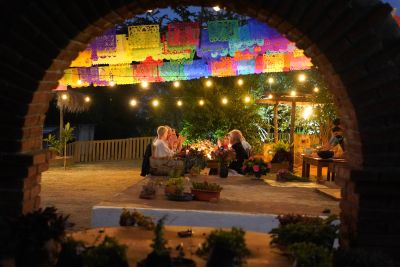
  • Sicilian Holy Week: Pani di Cena and Family Tradition

    Sicilian Holy Week: Pani di Cena and Family Tradition

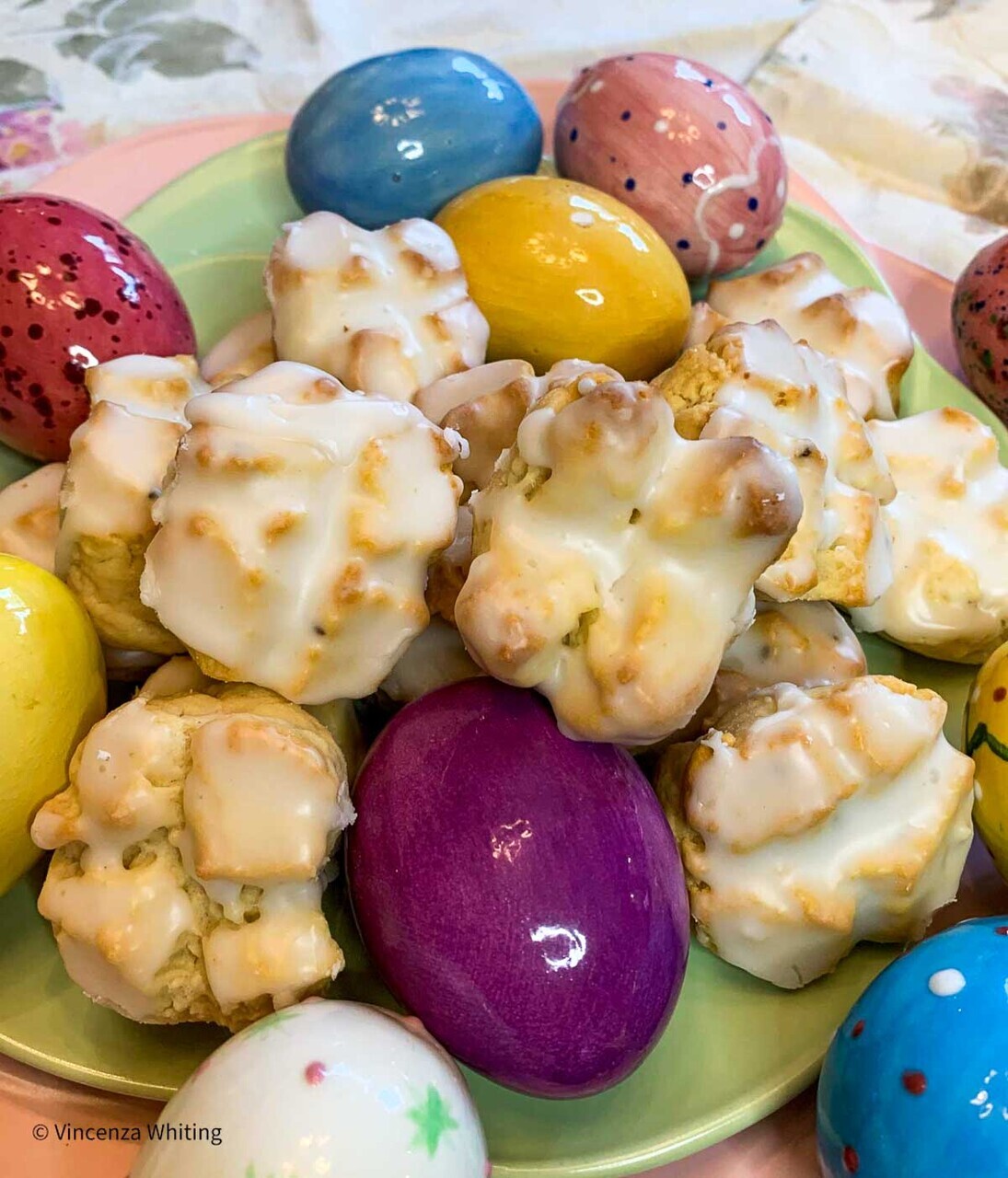
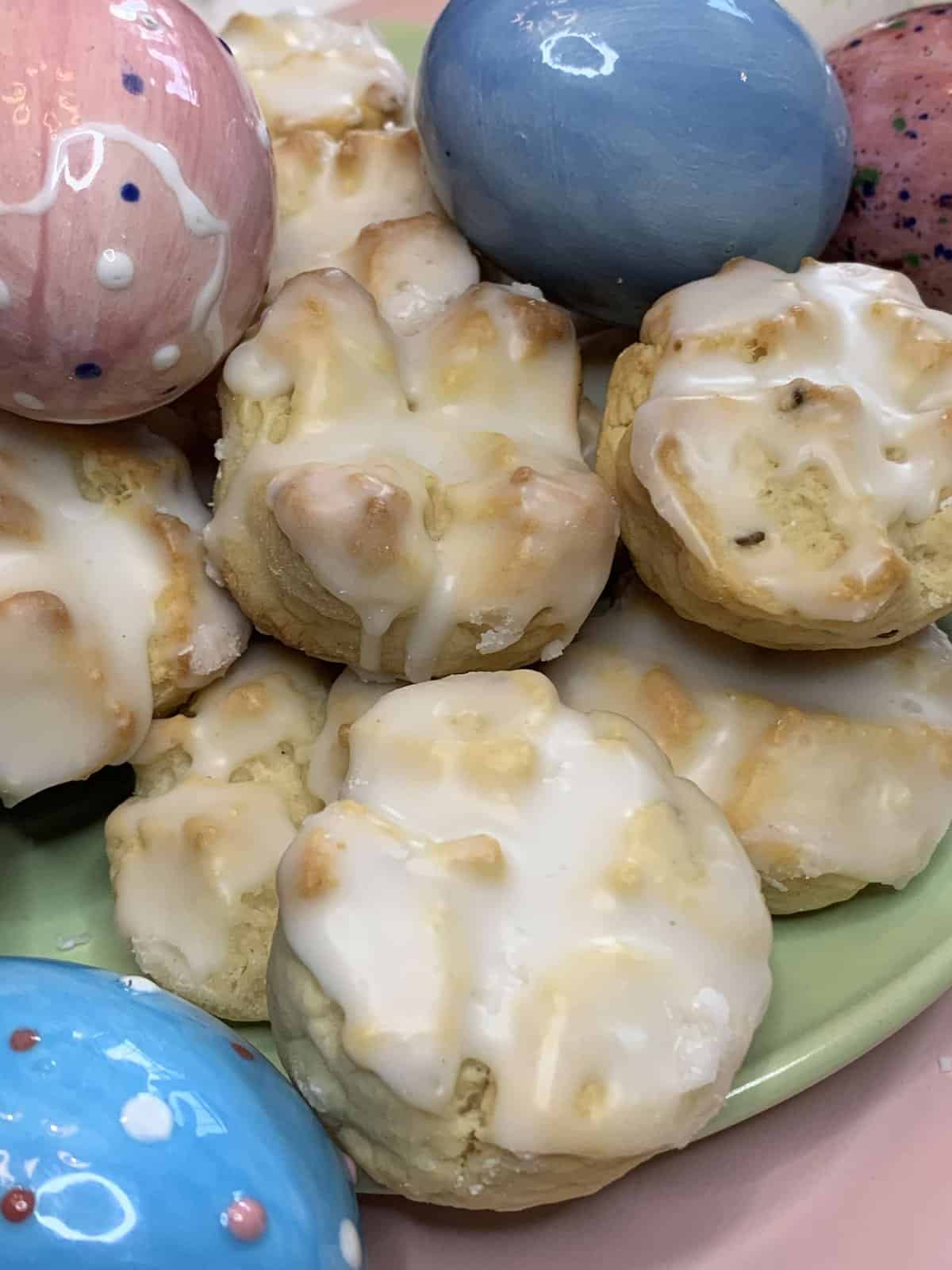
    The tradition of La Settimana Santa, Holy Week, brings people out of their homes to watch and participate in various daily processions of statues through the streets. It’s also a time to enjoy sweet bread, often flavored with anise, which is typical of the Lenten season. Among the favorite bread recipes is pani di cena—really cookies—which are shaped like crosses. While this “bread” is often served on Holy Thursday, you can enjoy pani di cena year-round. 


    Food writer Enza Whiting features a pani di cena recipe on her blog, Enza’s Quail Hollow Kitchen. Enza was born in Palermo and lived in the town of Valledolmo for the first four and a half years of her life. 


    We discussed pani di cena and what Enza hopes her family and readers will take away from her recipe.


    Tell us about your pani di cena recipe.

    My grandmother made these cookies for us when we were kids. She would shape them, cutting them in the shape of a cross. They were always served on Good Thursday, right before Easter.


    It was a Sicilian tradition in the church that the elders made these cookies. They would have these church communities or church groups aside from the priests, and whoever was the head of that community or that committee for that year would make these cookies for all of the other members of the committee. So they would make the pani di cena.


    They were always made on Good Thursday, and they would get a sugar lamb. It was part of the tradition that they sacrificed for their community by creating these cookies and giving them out in all the towns. 


    My mother told me the story about when my great-grandfather was the elder, and it was his turn to make these. My grandmother was maybe 15 or 16 years old, and she was the one who made them all. 


    They didn’t all have ovens in their homes, so the town had ovens that everybody would use. All the women would get together, bake the cookies, and then take them to the ovens to bake them in their local oven. I guess that’s how they used to make their bread, too, because they didn’t have ovens in their homes; they had to use a public oven to bake their bread. So it was very communal.


    The other thing my grandmother would do for us was make the little crosses, but then she would also make pupa cu l’ova using the same dough. She would put a colored egg in it and bake it. My favorite thing on Easter was getting the hard-boiled egg with my cookie. 


    Pani di cena is actually more of a cross between bread and a cookie. My grandmother’s recipe is more of a cross between bread and a cookie. I call it a cookie; my mother calls it bread. When you bite into it, it is somewhat crunchier on the outside and tender on the inside. However, the inside has more of a soft cookie texture than the texture of bread that you would normally think of as soft bread. It is made with yeast. So, it is a yeast recipe, but the texture is different from that of some of the breads you will see. 


    Why did you start Quail Hollow Kitchen?

    Being Italian, food is a big part of your tradition. It’s how we celebrate things; it’s how we communicate with each other. 


    I remember when we were kids, we had dinner together as a family every night, and my mother would make meals with whatever she had in the kitchen or the refrigerator because there wasn’t a lot of money growing up. So, they had to be creative and use what they had available. But dinnertime was always sacred. That was a time when we sat down as a family.


    My dad was really big into talking to us about what was going on in the world because he wanted us to really understand what was happening around us and how it impacted us. During those dinners, my parents also spent a lot of time talking about where they came from, what life was like for them growing up, and how different it was for us here because it was important that we appreciated all the sacrifices that happened to get us to where we were.


    So, for me, food and our traditions have always been really important. We continue to talk to our kids about those things because I don’t want them to forget about their heritage, their history, and what life was like for other people so that they can enjoy the things that they enjoy today. We do all of that around food. It always seems to be the center of these family functions, celebrations, and communications. 


    I started Quail Hollow Kitchen mainly because my grandmother had passed away, and I was really worried that as my mom was getting older, I was going to lose all of her recipes. So she was able to carry on my grandmother’s traditions with food, and I wanted to be able to somehow memorialize it so that even when I’m gone, my kids can still have access to all of that information. And it’s named Quail Hollow because that is the street that I live on.


    When I got into it, I realized that I really enjoyed all the different aspects of this website. So it’s grown from there, but it still centers around all of our Italian dishes and foods, and really makes sure that all of our Sicilian foods are front and center, somewhere our family has access to.


    pani-di-cena-2--1-.jpg


    What do you hope at-home bakers will take away from this cookie recipe?

    Personally, for my family, because it’s been a part of our family, and we have made this every year for as long as I can remember, I hope they understand that this has been handed down for many generations.


    For other readers, I hope that they want to try it because it may be different from something that they’re used to. Maybe they will learn something about how other people have enjoyed foods around the Lenten holiday and Easter that might be different from how they’ve celebrated it. 


    It’s really about keeping that Sicilian heritage and history going. I have other blogger friends who do similar things within their cultures. I think many of us out there hope that as the world continues to progress, we don’t forget some of the things that made our families what they are. 


    >>Get Enza’s recipe here!<<


    If you enjoyed this article, consider subscribing to my newsletter for more content and updates!

  • How Elissa Cirignotta Found Her Calling with Soulful Sicilian Retreats

    How Elissa Cirignotta Found Her Calling with Soulful Sicilian Retreats

    Elissa Cirignotta spent much of her childhood traveling back and forth between Sicily. Her father was born and raised in Scoglitti, a fishing village near Ragusa, and moved frequently for work. 


    After several cross-continental moves, her father was invited to open a Sicilian restaurant in the United States, and that’s when the family moved to the U.S. for good. Still, she and her sister summered with their nonna in Sicily until she was about 18.


    In 2016, she’d been working in the public education system and had just married. She’d had her longest stint away from Sicily, and when she and her husband returned, she experienced a homecoming and was inspired to embark on a new path.


    “I dreamed up this idea to start leading culturally immersive retreats,” Elissa says. “I kind of put together different aspects of my skill sets. I wanted to find a way to tie my work to Sicily and bring my family back every year. And then I did it.”


    Soulful Sicilian Retreats was born with the first selling out in three days. Through each of her carefully curated cultural and wellness-oriented trips to eastern and southeastern Sicily, Elissa invites guests to join her in a celebration of the food, landscapes, tradition, and beauty of the place that continues to stir her soul. 


    Elissa shared her goals, what sets her retreats apart, memorable feedback, the experience she hopes to deliver, and more.


    What were your goals when you started Soulful Sicilian Retreats?

    My nonna just turned 91 years old, and she’s like a mother to me. And I wanted to see her. I needed to be closer to her.


    As we age, we’re in touch with our mortality and the preciousness of life. I wanted to carry on her legacy, and I wanted to be near her.


    As I started having kids, that carried over. My kids’ relationship with my nonna is just so precious to me. It’s such a gift that I can give for them to have this experience of knowing these two cultures, knowing her love, and seeing the world from a different perspective.


    Growing up as a multicultural child has its challenges. I never quite knew where I belonged. I was bullied terribly as a kid in America because when we moved to the United States, I had a really thick accent that I did everything I could possibly do to hide. I tried to hide all of it.


    As an adult, there’s a reclaiming of power around it. For me, something that I was so embarrassed about for so long is now such a rich part of my identity and a part of the work I do. It’s also now part of healing generational trauma. If you’re from Sicily, there’s generational trauma there. And so it’s been very empowering for me to have this become such a part of who I am.


    Soulful-Sicilian-Retreats---Elissa-Cirignotta-and-Nonna.jpeg

    Nonna and Elissa


    What makes your retreats unique?

    Since the idea was born, it really has become a passion project. I see so many different kinds of retreats happening in Sicily—more than ever.


    I really try to be intentional and mindful when I design my retreats to incorporate locals, traditions, rituals, and what I consider to be the essence of Sicily. 


    I’m so deeply connected to the culture and the traditions and the land and being stewards of the land and the sea. I come from a long line of fishermen on one side and a long line of land workers on the other side. We were raised where my uncle dropped off fish for our family, Nonno dropped off the produce, and Nonna made the bread for everyone. It was just like a collective taking care of not only the family but the earth and the land and sea.


    How do you shape the retreat experience?

    Each one is curated differently with a different theme. Sometimes, I have a collaborator I work with, and so they’re very intentional.


    Almost every meal uses seasonally grown or consumed seafood. One of our chefs is married to a squid farmer. When squid is in season, we highlight his catch of the week. We’re foraging and making food from what we forage for some of our meals. We incorporate a lot of herbs. We really try to incorporate the seasonality of it, including when fishing is closed for a month at a time. So, for example, in October, I don’t really highlight fresh fish. 


    I work with local chefs. Sometimes, we have a Michelin-star experience just for fun, but a lot of the stuff is traditional, regional foods that are prepared by my zia or my cousin or people who have been taught how to prepare these things for generations and generations.


    I think it’s really important for people to enter homes, meet locals, have conversations, and see the traditions behind their meals, why they prepare them, and how they prepare them. It’s really special for me and a really special experience for the people attending. 


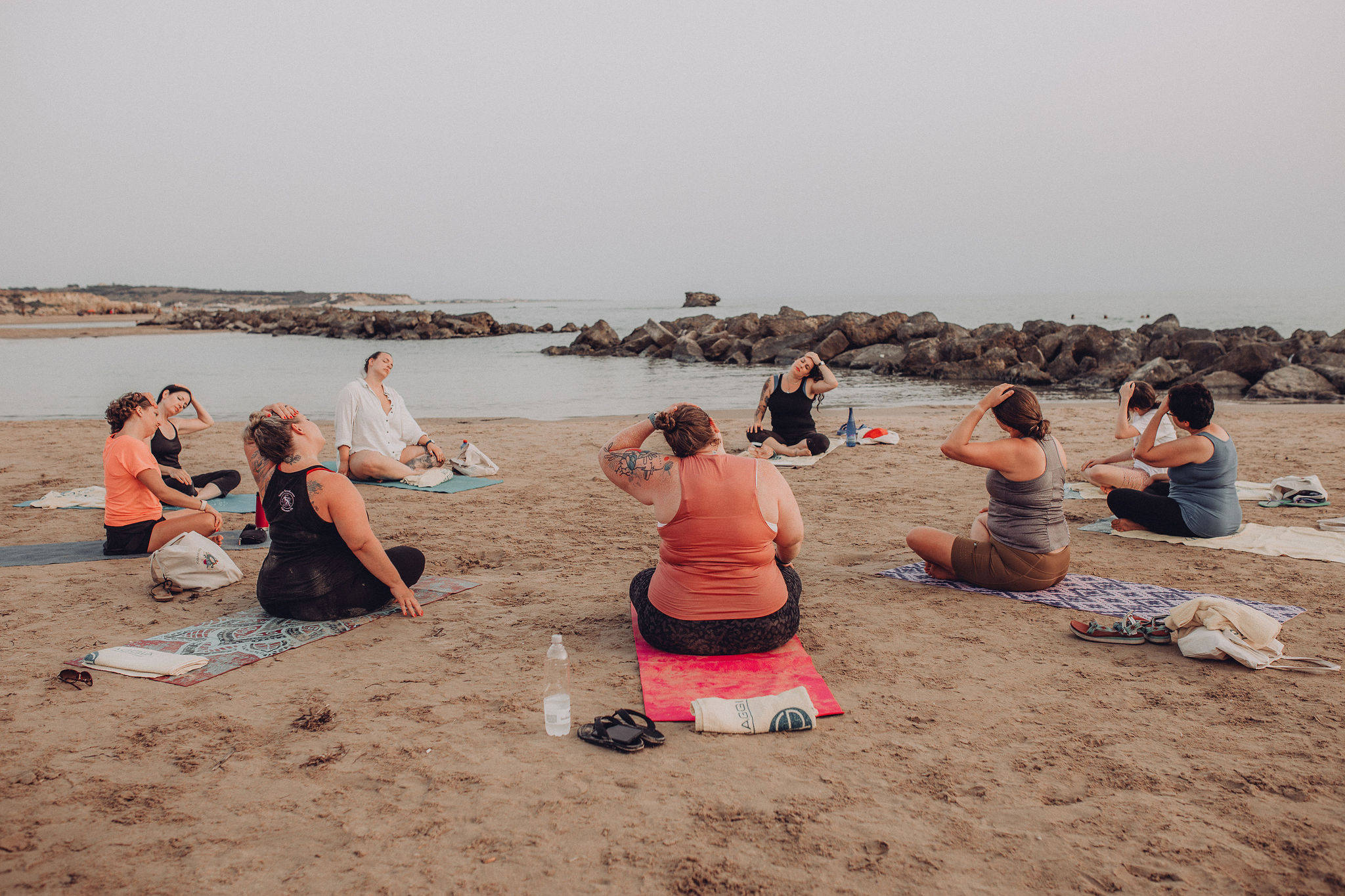
    Soulful-Sicilian-Retreats---beach-yoga.jpeg

    Beach yoga with retreat participants

    In what ways do you incorporate wellness and mindfulness?

    For our May retreat, we are staying in an 18th-century restored masseria farmhouse in the Sicilian countryside. That’s our home base. And every evening, we’ll have a custom blend Té Sana. For the first night, it’s deep rest. I want everyone to sleep well. The next night, it’s their first full day in Sicily, so we incorporate herbs to help find balance in your digestion and detox, as well as grounding. We have one day where it’s just decadence all day. And so our Té Sana blend is decadent with licorice and cinnamon and floral notes.


    I incorporate herbs into as many things as I can possibly do to support wellness in your traveling journey. I have people coming from Australia and all over the world. It takes a long time for them to get here. So, I really try to create a holistic experience for them where they’re supported in their sleep, digestion, and other areas.


    There is also yoga. I’m a yoga teacher, and that was, initially, one of the skills I wanted to bring into it.


    I was a special ed teacher for a while and then got my master’s and worked in the field of special education for a very long time. When I discovered yoga, I started teaching yoga to my special ed students and to the teachers that I was supporting. And it kind of changed the whole direction of my life really in many ways. So, it just felt like an obvious thing for me to include in

    transformational Sicilian experiences. It’s optional. Not everyone participates, but it’s a really beautiful way to balance.


    Soulful-Sicilian-Retreats---Zio-Pietro--Rosita--and-Elissa.jpeg

    Zio Pietro, Rosita, and Elissa


    Share with us a memorable piece of feedback you’ve received.

    I’ll tell you a story. My nonna was the first of 18 kids. Of those 18 kids, 11 survived into adulthood. Five of those 11 are blind and deaf, and they all lived together in one home. Only four of them are still alive. And they still live in that home together.


    For almost all of my retreats, I have one of my cousins prepare a big family-style, traditional Sicilian meal. My blind and deaf aunts and uncles live across the street, and Rosita, who cooks for us, is their caregiver. They will occasionally walk over and come in, so I let my retreaters know that they might meet them.


    If you’ve never experienced or interacted or communicated with someone who’s blind and deaf, it’s really an interesting kind of magical experience. We do tactile sign language, so we speak into their hands, and then we have our own kitchen sign language. It’s only decipherable among my family and the people who know them.


    One time, my uncle was there during this meal with all of our retreaters. Zio Pietro, Rosita, and I signed stories, Zio Pietro shook everyone’s hands while the kids teased their uncle, and we all enjoyed pranzo. And as we were walking back, one of my retreaters told me that that lunch pierced her soul.


    I was like, “That is the best compliment. I’ll take that.”


    Soulful-Sicilian-Retreats---meal.jpeg

    Retreat participants share food and fellowship.


    What experience do you ultimately seek to share?

    I hope that it has expanded their view of the world and that they feel nourished and taken care of.


    Sometimes, you can go on a vacation and feel like you need a vacation from it. I want people to leave and feel like they had one of the best of their lives, that they were fed well and taken care of, and that they didn’t have to worry about a single thing unless they chose or wanted to. I hope they feel the warmth and hospitality of Sicilian culture.


    People from all walks of life, ages 2 to 73, attend these retreats; the whole political spectrum comes with that. And it’s just so important for me to be able to create spaces for healthy, safe dialogue where people can be heard and feel safe. One of my biggest hopes is that people walk away feeling nourished in body and mind, feeling refreshed and ready to create, and that they felt safe in this experience.


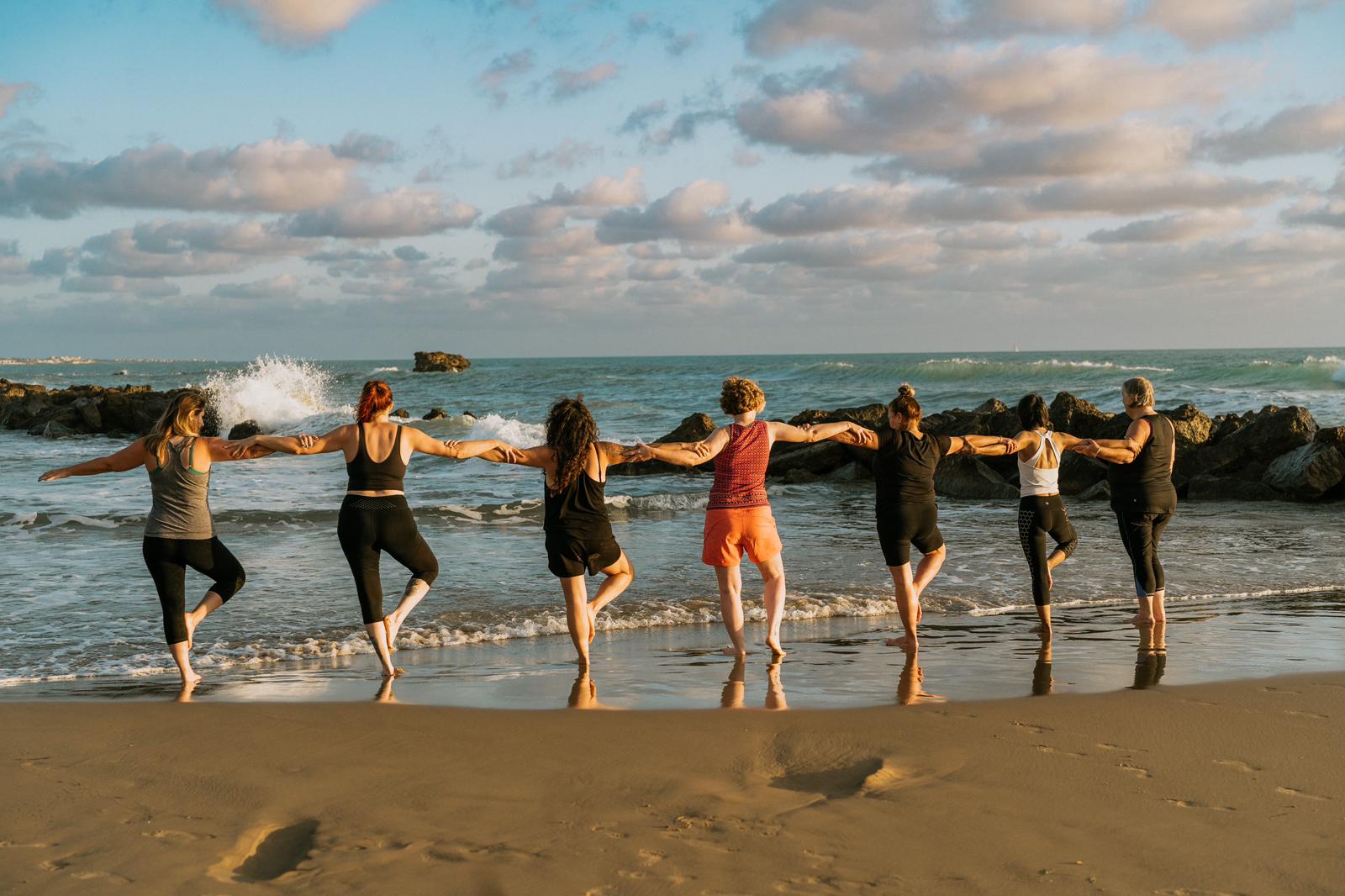
    Soulful-Sicilian-Retreats---beach-yoga-sea.jpeg


    If you enjoyed this article, consider subscribing to my newsletter for more content and updates! 
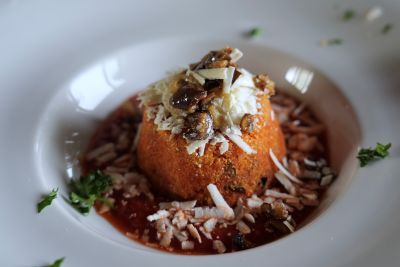
  • Honoring My Nonna, Concetta Agnello, the Heart Behind The Last Letter from Sicily

    Honoring My Nonna, Concetta Agnello, the Heart Behind The Last Letter from Sicily

    Today would be the 105th birthday of my Sicilian nonna, Concetta Agnello. Her story of being separated from her boyfriend, Gaetano, between 1938 and 1946 inspired The Last Letter from Sicily


    Nonna was 18 when she moved to Milwaukee from Porticello, Sicily, with her family. She enjoyed crocheting, cooking, playing cards, and singing along with her opera records. She was gifted in mathematics and had considered becoming a bookkeeper. However, such a role was hard for immigrants to come by, especially in the late 1930s and early 1940s. 


    She got a job at Milwaukee’s Junior House garment factory. Conditions must have been rough, with poor ventilation and temperature control, but Nonna never complained about her experience.

    Instead, she made the best of things, enduring separation from the man she loved while navigating a new world marked by prejudice and uncertainty. Those years apart were even more challenging when Italy declared war on the U.S. 


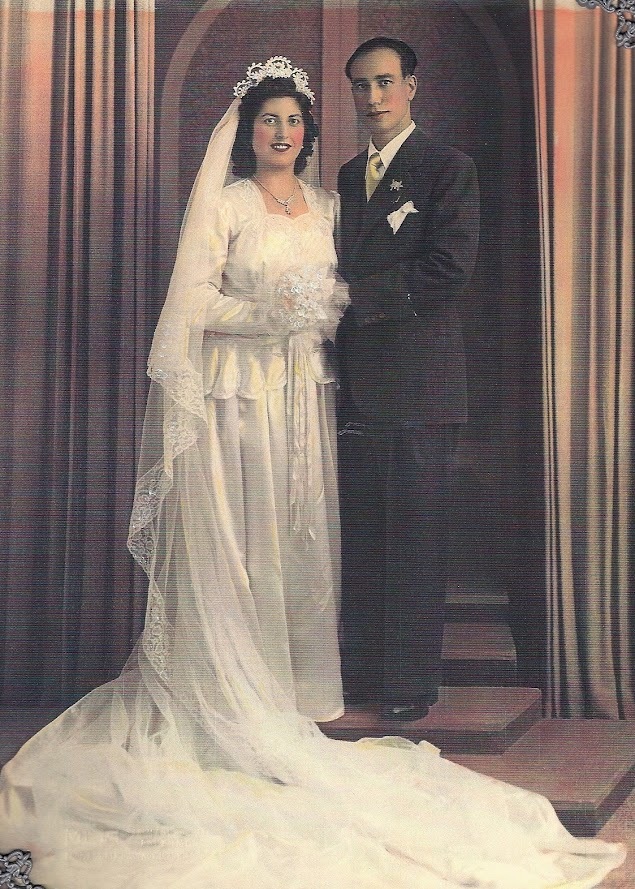
    But somehow, the couple made it through to the other side. They reunited and married in Porticello.

    Together, they sailed to the United States in 1947 aboard an ocean liner called the Marine Shark and settled in Milwaukee, where they had four children and 11 grandchildren, including me.


    Nonna-and-Nonno-wedding.jpg 

    Concetta and Gaetano Agnello on their wedding day


    I was fortunate to have Nonna in my life throughout my childhood and into my late twenties. When I was three years old, she taught me the lyrics to Maria, Marì,” which we sang along with her beloved Luciano Pavarotti.


    We’d visit every weekend, with her often serving my favorite broccoli pasta (ditalini rigati con broccoletti) or pulling out a tin of sesame seed cookies (biscotti regina). She’d call the local radio station during its Italian hour in time for the announcer to read our names along with her song request on air. After supper, which she’d cook for us and her two dogs, we’d sit in the living room and play Scopa 

    Nonna remained an important part of my life when I went to college. Having her on the other end of the phone was a comfort, as were our continued, albeit less frequent, weekend visits. She prayed a novena when I told her I was moving to New York for a magazine job.

    For years, I delighted in hearing her heavily accented voice in our long-distance calls. Once Nonna met my then-boyfriend, Matt, she closed those chats with, “Give a big-a big-a kiss to Matteo!”

    The last time I spoke with Nonna, I shared that Matt and I planned to marry. Her voice was weak, her breath labored, but joy radiated through the line.


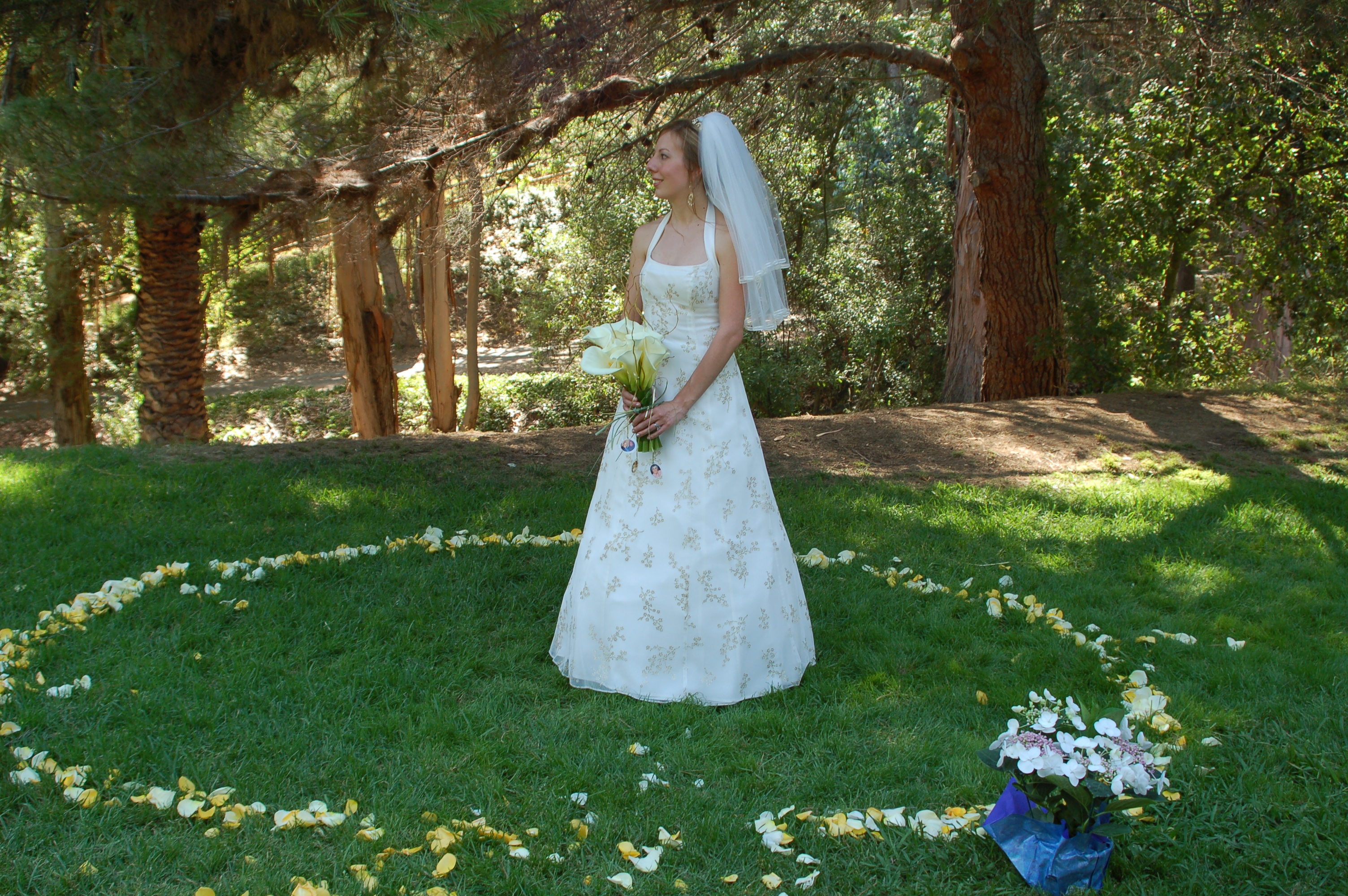
    She passed away within days of that phone call, but she was there with me on my wedding day the following year. I printed and laminated three photos, one for each set of grandparents and my Great-Aunt Josephine, and attached them to my bouquet. 


    Lindsay-as-bride.JPG
    Three photographs dangled from my bridal bouquet, including one of my nonni.


    While Concetta of The Last Letter from Sicily is fictional, I wove in elements of my grandmother’s strength, intelligence, and resilience. As Nonna was for my family, Concetta is the story’s heart. I’ll never forget this sweet, funny, and generous woman and celebrate her today. Salute, Nonna!


    Nanna--Nanno-on-Honeymoon.jpg

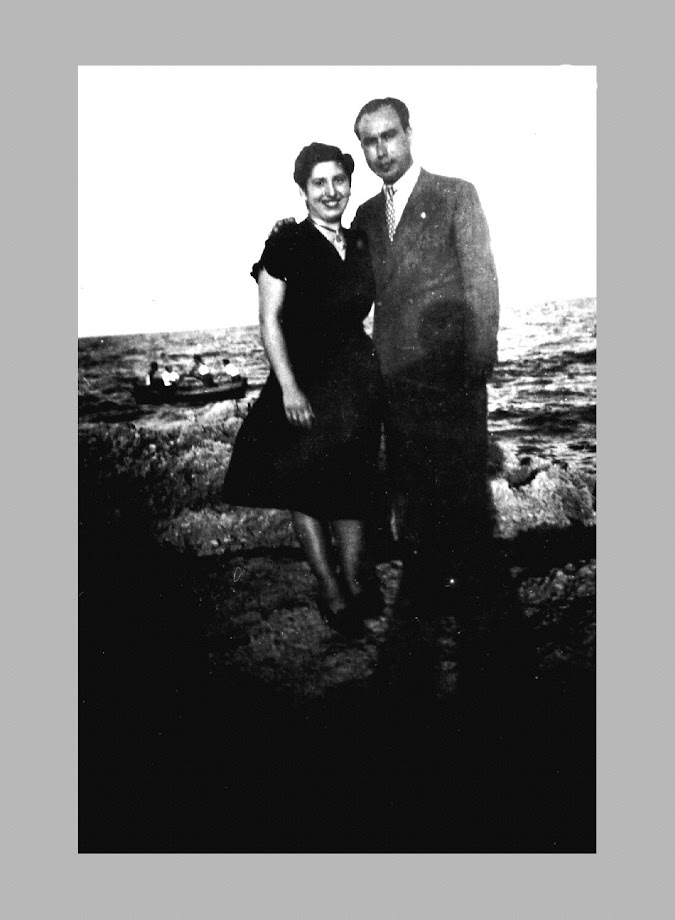
    Concetta and Gaetano in Taormina for their honeymoon


    If you enjoyed this article, consider subscribing to my newsletter for more content and updates!
  • How One Neon Artist’s Works Shine Beyond Expectation

    How One Neon Artist’s Works Shine Beyond Expectation

    When you step before a Caroline LaCava Lemon Lamp, you may simply see citrus slices. But for the neon glass artist, like most of her work, there’s so much more than meets the eye. The continuous tubes that form the shapes connect her to her Sicilian roots.


    The New York-based artist’s journey began when she took a neon class at New York’s Alfred University that illuminated a whole new world of art, connecting the concept of two-dimensional line drawing to three-dimensional displays. It was a way to stretch beyond the traditional, leading to some of her edgier pieces that pay homage to the feminine body and lean into optical illusions. 


    “I was drawn to the lemon,” she says. “And I knew it was important to me just based on the foods that I have grown up eating at the Feast of the Seven Fishes and stuff like that. So much of it is citrus-based.”


    Three of Caroline’s paternal great-grandparents came from Filicudi in Sicily’s Aeolian archipelago, and one emigrated from Calabria. That Calabrian great-grandfather worked as a glass engraver, something Caroline wasn’t fully aware of until she began glasswork herself.


    One day, while taking a course at Washington’s Pilchuck Glass School following her studies at Alfred, she was asked to create a piece revolving around her heritage.


    “I thought, ‘This is just getting crazy at this point,’ because how did I just end up in a class for glass engraving that’s also supposed to be inspired by your background when my great-grandfather from Italy was a glass engraver?” Caroline says.


    These coincidences led her to explore her heritage more in her glass art.


    Caroline shared more about her work, inspiration, influences, and what she hopes viewers take away. 


    What drew you to the world of art?

    The fact that my parents are creatives definitely played a role. They’ve always heavily encouraged my art career.


    My dad is primarily a musician. He went to music school but ended up just dropping out. He worked for a company and also is a clam digger. He’s lived 20 lives, but playing music is what he does every day.


    My mother is a studio art teacher and 2D artist. She teaches dark room and studio art. She also does printmaking, photography, and painting outside of work. She dropped out of art school to raise my brother and me, then returned to finish while I was in high school, which was cool to experience with her. 


    My earliest memory of creating is my earliest memory ever. Creativity was the solution to everything during my upbringing. I went through so many battles in my head when choosing art as a career. You always end up circling back to the things you want to do as a kid. I was always passionate about so many forms of art, but being able to keep to myself and be in my own world really drew me to visual arts, especially when I was young and angsty.


    I had all these careers in mind that were forced upon me in high school just to be “realistic” in the arts. Like, “I could get into art therapy or be a teacher,” and all these backup plans. Eventually, I came to the conclusion that I just wanted to be an artist. 


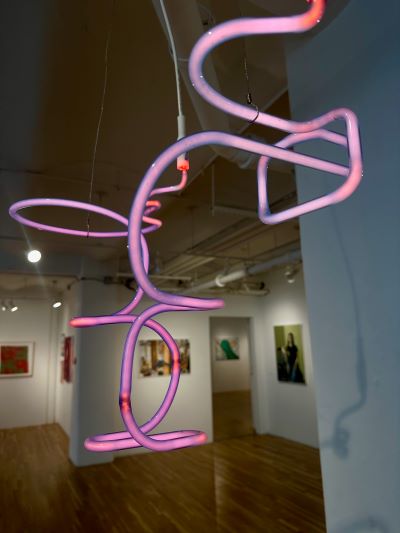
    Caroline-LaCava-Lemon-Lamp-double-split.jpg
    Caroline LaCava’s Lemon Lamp series reflects her Sicilian heritage.


    How did you transition from hot shop glass blowing to neon?

    At the school I went to—Alfred University—you have to take a hot shop course before getting into neon. Not that one’s particularly harder than the other. I think it is just because the electricity side of neon is a bit more dangerous. So that’s why they try to get you in the hot shop first before you do neon.


    It was very much a last-minute decision for me to take Intro to Glass. I’m pretty sure I chose it because my friends were in it, and I wanted to try something different and challenge my sculptural abilities. 


    Before taking any class like that, it was hard to visualize how to make glass into art. That’s why I was initially not that interested. I was just picturing cups and goblets in my head.


    The same goes for neon. I was like, “How do you even turn flat signs into something that could be considered art?” All I could imagine were “Open” signs, which certainly didn’t interest me.


    I ended up really just falling in love with the invigorating process. The second I was able to take a proper gather from the furnace, it clicked, and I said, “I’ve got to keep going.”


    I took that class in the spring of 2017. When I came home for the summer, I decided to do a studio internship at Urban Glass in Brooklyn. I went there once or twice a week, and they let me take a neon class for free.


    I had made something sculptural in the class, and once I started lighting things up, I was like, “This is no boring sign!”


    Now, I have a strong production signage background. I’ve worked on plenty of signs, which I think are very cool. But as far as my own artwork goes, once I was able to make something sculptural and a little bit unconventional and realized how you could really push the boundaries of this medium, I said, “There’s no stopping now!”


    Caroline-LaCava-Lemon-Lamp-squiggles.jpg
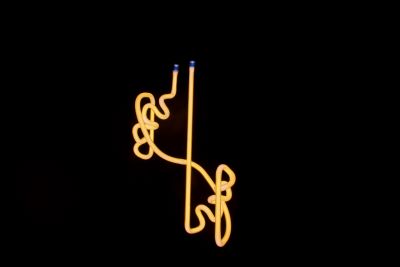
    Each of Caroline LaCava’s works consists of a single continuous tube. 


    How does neon allow you to express your creativity differently from hot-shop glass-blowing?

    I’ve always been interested in very linear drawings in general. This is why I am mainly intrigued with the medium, even when it comes to traditional signage.


    Neon always appealed to me just a little bit more because it was just a great way for me to mesh my interest in 2D and my interest in 3D, and considering so much of my drawings were so line-based, it just seemed natural for me to take the next step to unravel those drawings and make into a sculptural lamp with one continuous tube.


    You have to look closely at a traditional neon sign to be able to tell that it’s one continuous tube because we block out so many parts with paint. But I always say that approaching the making of a neon sign is very similar to how you would do a contour line drawing, as far as the mental gymnastics of it all goes. 


    Similar to how you would try to draw an image without picking your pen up off the paper, you approach a glass-bending layout in a similar manner. You’re trying to figure out how to make that image or word with a continuous tube of glass. Unlike in signage, I don’t block out certain parts of my neon sculptures with paint. You’re seeing the whole tube all the way through.


    Caroline-LaCava-Cunt-Chandelier.jpg
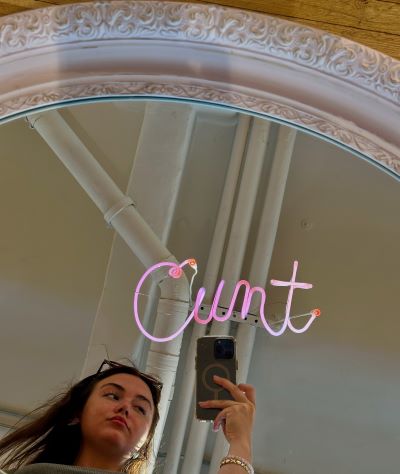
    There’s more than initially meets the eye with Caroline LaCava’s Cunt Chandelier.


    Tell us about your use of optical illusions.

    My interests in illusions and double image began when I was in high school. I looked at famous artists like Salvador Dali, and I used to make double-image drawings.


    The first time I did some sort of optical illusion in neon was with the Cunt Chandelier, and that was in college. It felt like a self-portrait to me. I knew I’d be evolving this piece even after college, but I never would have guessed that I’d apply that same process to other forms of imagery. 


    I was inspired by how I’ve navigated the world and how people approach me in life. How people make judgments at first glance. Even when the latest Cunt Chandelier went viral over the summer, so many comments said they were confused or unimpressed at first glance until it hit them.


    I realized that’s how people have approached me in life. They look at me, especially in the glass industry, and underestimate me. Or even when people take advantage of my initial kindness and quickly realize I’m not going to put up with that. There are so many stories I could tell with this piece and so many situations in life that can be applied.


    I was trying to channel my personality into it in general, having a soft and harsh aspect to the piece. It’s something that appears graceful or delicate at first, and then you look in the mirror and are confronted with this harsh word. And you’re forced to look at yourself in the mirror. The Cunt Chandelier is how I check people. It’s an “expect the unexpected” sort of thing. I think many women can relate to all this.

    Caroline-LaCava-Cunt-Chandelier-hidden-message.jpg

    Caroline LaCava reveals the hidden message reflected below the Cunt Chandelier.

    What do you hope viewers take away?

    I would hope that people view my lights as conceptual works of art rather than “just a lamp.” I think with neon being newly considered an art medium, I used to worry some people might not see what I see. Thankfully, a lot of people do. Then there are others who think I should have sold 10,000 cunts for $50 a pop, and they just miss the point completely. That’s part of the fun, though. People get to know me, and I get to know them.


    I hope some sort of storytelling does come across when people look at a piece like the Cunt Chandelier. The whole unraveling of the image and not being able to see it quite clearly at first holds meaning to me. So, I’d like that to translate to the viewer as well. 


    If you enjoyed this article, consider subscribing to my newsletter for more content and updates!
  • Crafting Authentic Sicilian Limoncello and Building a Legacy in St. Louis

    Crafting Authentic Sicilian Limoncello and Building a Legacy in St. Louis

    Growing up with a father in the restaurant business, Joe Fresta, Jr., was naturally drawn to the epicurean world. From his vantage point as a Sicilian American on St. Louis’s The Hill, a predominantly Italian community, he spotted an opportunity to fill a niche with Fresta Limoncello.

    This hand-crafted, small-batch citrus liqueur currently sells in Missouri, but expanding its reach is part of Joe’s plans. He shared that vision, his background, how he got started, wins and challenges, advice for other entrepreneurs, and more.


    What is your background and connection to Sicily?

    My great-grandparents on my father’s side came from the Taormina/Catania area. They arrived through the Gulf of Mexico and into Louisiana. They had an extremely hard time being Sicilians in the South back then. So they fled north up the Mississippi River and eventually settled in the Italian section of St. Louis known as The Hill.


    My father is in the restaurant business, so I grew up in and around the restaurant industry all my life. Out of college, I went to work for the Coca-Cola Company for about eight years. I learned a lot about the grocery store and on-premise beverage side of things. That experience has served me well in this endeavor.


    Several years ago, I started a Facebook page called Fasebook Food Critic (with an “s” instead of a “c” because Facebook doesn’t let you use their brand in page names). And I would post a lot of very enticing food picks from different restaurants around town and wherever I traveled. People loved it and would soon start calling my photos “food porn.” From there, I ended up co-hosting a radio show with another Italian gentleman, Frank Cusumano, on a local sports talk radio station.


    It was called The Weekly Special, where we would bring in restaurant owners and their chefs and interview them. They’d bring food into the studio, and we’d talk about the food, the industry, the history of their restaurant, and how it all got started. Listeners loved it, and it gave them ideas on where to dine that weekend. From there, the limoncello opportunity came about.


    Fresta-Limoncello-Joe-Fresta--Jr-.png

    Fresta Limoncello Founder Joe Fresta, Jr.

    What inspired you to create Fresta Limoncello?

    I kicked around doing a beverage. I realized I didn’t want to do bourbon, vodka, tequila, wine, or beer because everybody—from movie stars to professional athletes—was slapping their name on those types of spirits. Instead, given my Italian heritage, I thought I would do a limoncello. It was unique and a road less traveled.


    I sat down with a distiller, and we worked out a recipe, tasting different versions. First and foremost, I wanted it to be all-natural, with no artificial color and low sugar.


    If you look at Fresta Limoncello next to all the others out on the market, many of them are almost neon yellow in color. Mine is very clear. I believe Fresta is the only one that really looks like that. So people appreciate that along with the packaging, the graphics on the bottle, and the frosted bottle itself. It’s definitely drawn to the eye of the consumer, enticing people to buy and try it.


    I didn’t want it to be overly sweet. A lot of limoncellos are, and wouldn’t you know it, that’s the first comment I would get from people when they first tried it: “Wow, it’s not overly sweet!”


    That was paramount in how I wanted the product to be. I’ve drunk a lot of different limoncellos, both domestically and in Italy. They’re good but just too sweet, in my opinion. So people really appreciate that, and they continue to buy it.


    We’re going on nearly two years with this now, and it’s been very successful around the St. Louis area and throughout Missouri.


    Fresta-Limoncello-bottle-backside.jpg

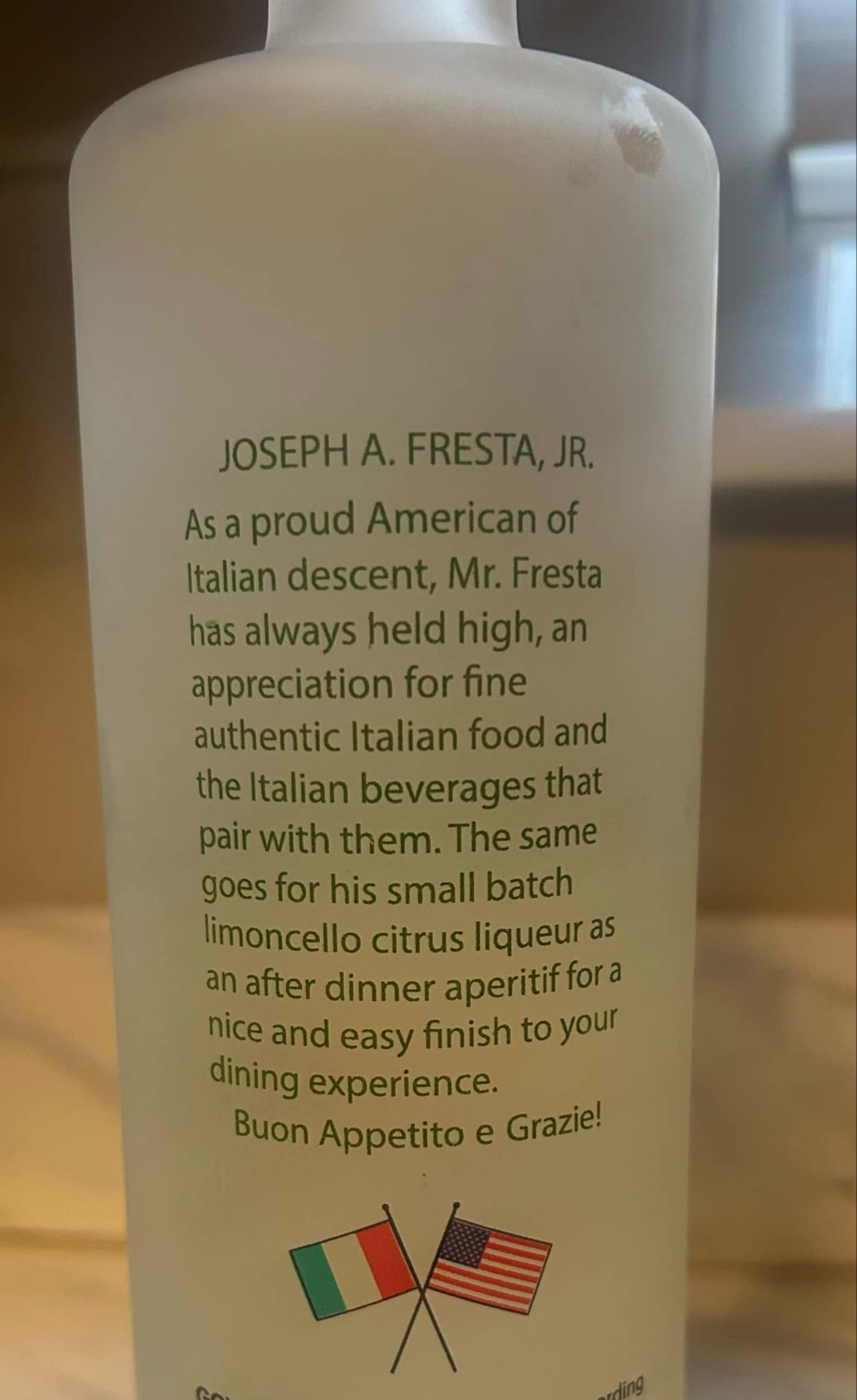
    A message on a bottle.

    How do you account for your success?

    I do a lot of social media with photo shoots that I conduct personally. I’m very hands-on. Everything from the taste, the graphics on the bottle, and how it’s marketed. Social media is a very powerful medium if you know how to use it properly, so I’ve really capitalized on its power. My distributor has done a pretty good job with market penetration as well.


    I also get out in the marketplace. I go to restaurants to visit with owners and their customers. I have them try the limoncello and tell them where they can purchase it. That’s led to us getting into all three major grocery store chains in St. Louis and around Missouri. I’ll also go into the grocery stores to check shelves and front up the bottles. There are a lot of mom-and-pop Italian grocery markets and restaurants around town as well.
     

    What challenges have you faced?

    The challenge is distribution because you have to keep up with the demand. It’s a good problem to have, actually. But, if there aren’t enough bottles behind the bar or on grocery store shelves, I’m not going to sell product or add and keep customers.


    It’s been a labor of love because I’ve grown up in and around the business, and I’ve been blessed to know a lot of people in the restaurant industry. It really has been a lot of fun. I’m looking forward to keeping the momentum going, saturating the Missouri market, and then eventually moving out exponentially from the St. Louis and Missouri epicenter, getting into neighboring states, especially in cities with predominantly Italian communities and restaurants. 


    What feedback have you received from Missouri bars and restaurants?

    They like it. How do I know that? They keep ordering it. And there are restaurants and grocery stores that just blow through it, especially during the holidays.


    There’s one particular Italian grocery store here on The Hill called DiGregorio’s. They went through several cases of it within four hours on Christmas Eve.


    A lot of companies or business owners bought Fresta Limoncello as Christmas gifts for clients and family members. They would even give me feedback on the reaction of the people they would give it to. People just loved it! Being handed that bottle and, most notably, the story behind it, and it being something local, too.


    Your limoncello is award-winning. What does that mean to you and your brand?

    My distiller entered the 2023 New Orleans Spirits Competition on a whim before we even hit the marketplace. It won the silver medal in the Liqueur Category. Getting that kind of an award or recognition early on meant a lot. It provided a lot of confidence in the brand and, more importantly, the actual product itself. It certainly gave me an initial selling point when I first started going around and trying to introduce people to the product. It provided a solid platform to walk into an establishment and say, “Hey, look, we won this award,” and I incorporated that into a lot of the social media as well. It was a major positive.


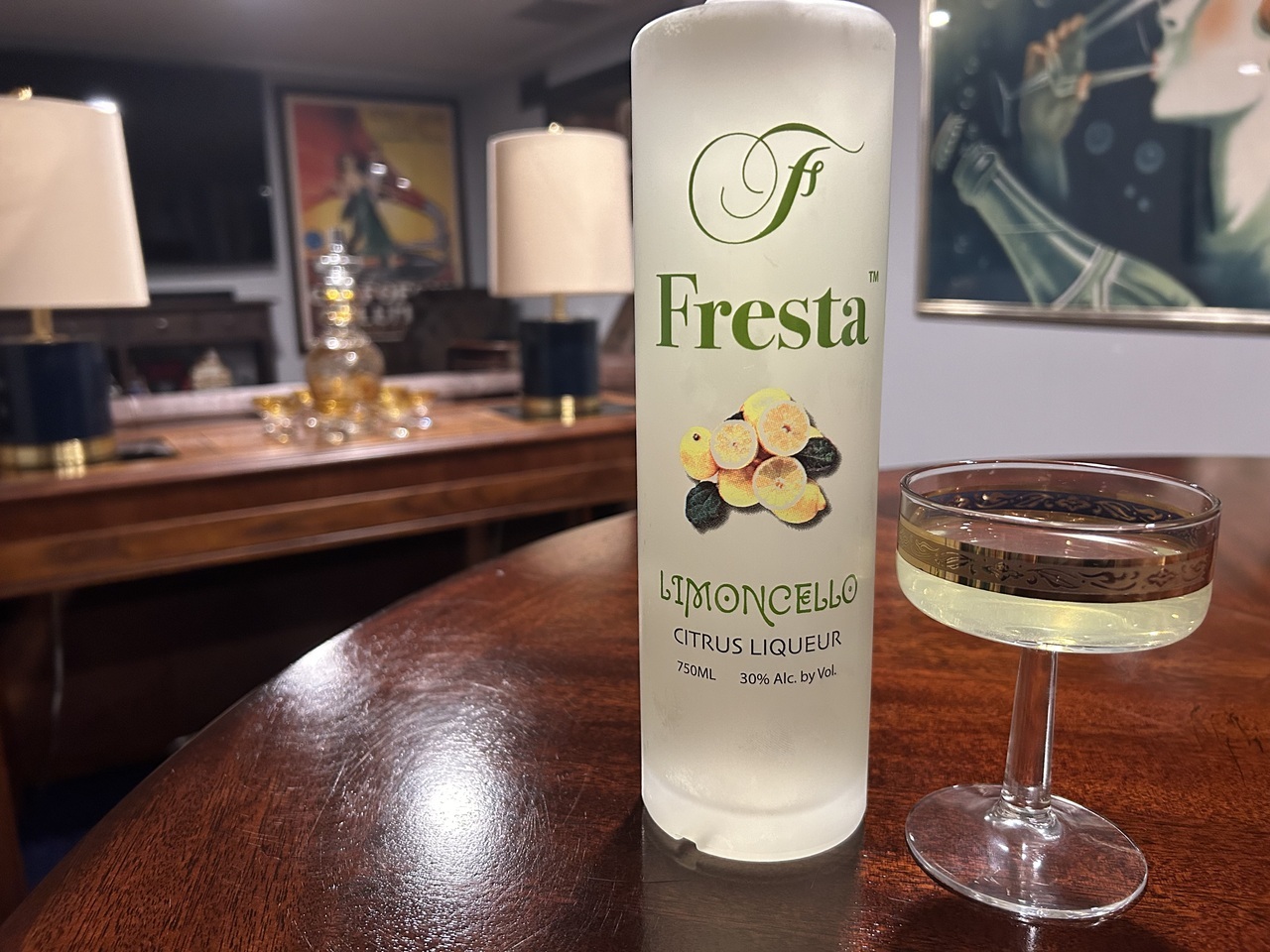
    Fresta-Limoncello-bottle-on-table-with-couch-in-background.jpeg
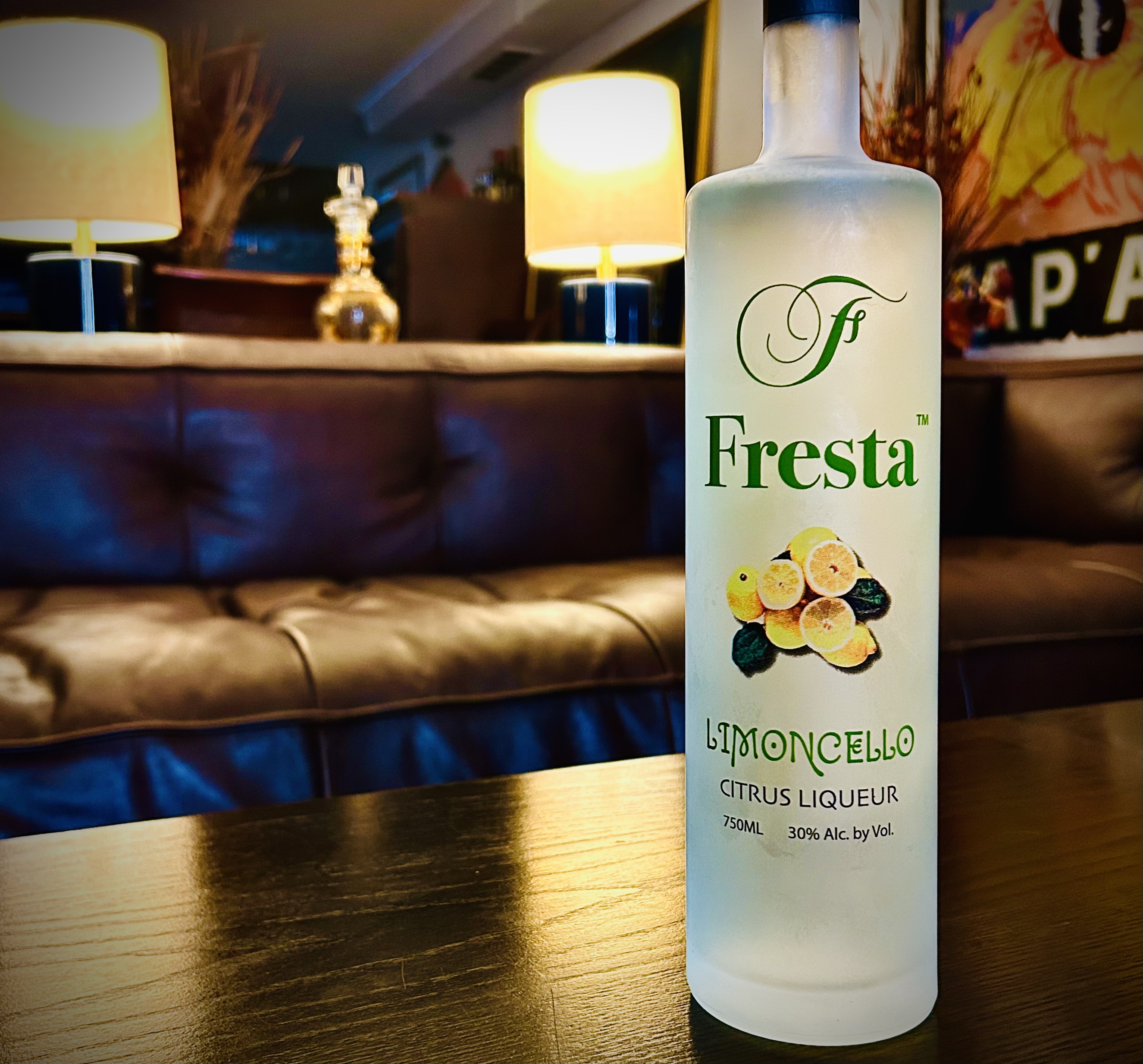
    Fresta Limoncello is sold throughout Missouri.

    What are your future plans?

    The next step would be to do a pre-packaged Fresta Spritz, which would be pre-made with a Prosecco in four-pack glass bottles.


    We may also do a Fresta Limoncello La Crema. One of those two things will likely be the next step from the flagship.


    What impact do you hope to have on the St. Louis community?

    I do a lot of charity work. I am a two-time cancer survivor and the Board Chair of the Cancer Care Foundation I founded. It’s about 13 years old now, and I’ve raised over $2 million for families who are fighting cancer. So, at some point down the road, when the brand becomes more successful, I would like to incorporate that into my cancer foundation and help raise more funding to help cancer patients pay their bills and whatnot.


    What advice would you give someone looking to start a spirits brand?

    Find a niche market like I did. Take an avenue that’s less traveled and where you can be the father of that, and just go for it. Surround yourself with the right people. Don’t let anybody tell you “No” or “You’re crazy for doing it.” Just go ahead and get in there!


    After the demise of Anheuser-Busch in St. Louis, when the Busch family sold out, a lot of microbreweries started to pop up all over the place, and those guys did a pretty good job of filling a void and being pretty successful in their own right. 


    What experience do you hope to share?

    I would just share with people the importance of great customer service. I think it’s a dying component in the service industry today. I want my customers to know we’re there for them when they need something. It all comes down to service. You’ve got to take care of the customer.  


    If you enjoyed this article, consider subscribing to my newsletter for more content and updates!
  • How Family, Tradition, and Light Shaped a Garden Designer’s Vision

    How Family, Tradition, and Light Shaped a Garden Designer’s Vision

    Landscape paintings interspersed with religious art cover much of the green walls of the dining room, in which designer Lara Morabito studies and works. Several are her own works, each capturing a vista’s color and light.


    “I approach everything like a painting,” Lara says. “I start with the infrastructure, and then I layer. I cast broad strokes. If you were painting something more impressionist, you would have smaller movements. But my movements are broad.”


    You can see this vision reflected in her garden and estate design projects. She starts each project with a walk-through, examining the landscape and assessing, among other things, its natural rhythms, light patterns, and focal points. From that, she produces a watercolor sketch to help her clients visualize. She’ll even go so far as to spend a night or two onsite to understand better how light and shadows fall across the property.

    Part of that comes from her appreciation of Renaissance art. Her family spent nearly two years in Tuscany, where she was exposed to art in Florence while studying garden design.


    “I would say my aesthetic has a very strong Renaissance and French influence,” says Lara. “There are the mathematical components of French design and the big, austere gestures of Renaissance gardens.”


    Another part comes from her unique upbringing. The daughter of Sicilian immigrants grew up on a large estate in southern Ohio, where her father gardened.


    She taps into that inspiration and heritage with every project—large or small—she works on between Washington, D.C., and California.


    Lara took time to chat with me about those influences, how she got started, her most memorable project, challenges, advice for budding designers, and more. 


    Tell us about your background.

    My grandparents were Sicilian immigrants who landed in Ohio. Their families came because there was a lot of building during the Industrial Revolution in Cleveland. Rockefeller owned a lot of land, and they were looking for stone workers and masons, so many of them came over from Italy.


    My father’s family came from Ucria, a small mountain town outside Mount Etna. My mother’s family is from the Palermo area but also Taormina and Termini Imerese.


    After years of hard work on construction sites and supplying building materials, her family was sound enough to purchase land.


    We grew up adjacent to Cyrus Eaton and his vast ranch just south of Cleveland. There was a natural lake surrounded by farmland. Most of the houses around the lake were owned by family and friends.


    By the time I was born in ’62, there were 10 family homes. So I grew up with my aunt and uncle across the street, my cousins down the street, my grandparents, another aunt and uncle.


    It was very unique. I didn’t know that other people didn’t live this way. My father and the family grew their own vegetables, cooked sauce on Sundays, and made meatballs and Milanese. Everything flew back and forth between houses; there was an open-door policy. There was mandolin playing, opera, and singing—kind of amazing.


    How did that environment shape your passion for garden design?

    I am a very linear thinker, which might be unusual for a designer or creative. Early on, I understood patterns in the vegetable gardens in neat rows, how they intersected, and how plants were planted together to help each other thrive; for instance, you always grow tomatoes with basil. My father would say, “Lara, think about what you put in the sauce and how you cook. That’s how you grow your vegetables.”


    I was an early student, and my dad was really the gardener more than my mother. The way my family cultivated the land, nothing went to waste. We never bought mulch; leaves became compost that fed the garden.


    Cleveland’s a rough environment—not ideal for growing anything. Winters are long, and there is practically no sunlight from November to April. But as soon as the growing season started, my father made the best of it.


    I learned under harsh conditions how to grow things. It just was second nature to me. I remember my father struggling over a fig tree somebody brought from Sicily. He wanted that tree to live. I watched him put it in special conditions and protect it in the garden, netting it and heavily packing soil around it.


    I had no formal education in garden design. Everything I knew when I started my business, I learned from my family.  


    c-hasse-171111-035.jpg


    How did you get started?

    To be a garden designer, you have to be a gardener. And I’m sure many would disagree with me. But if you don’t understand a garden, I can’t even begin to think of how you’d really design one practically. So I did.


    I started a garden when I was married and had children. My mother passed away when I was pregnant with my youngest. So I went to her garden, took her roses out, and brought them to D.C., where I raised my children and started my own garden from scratch with beautiful fertile soil and long growing periods. It was nirvana for me compared to the growing conditions where I grew up. 


    I learned on that three-quarters-acre piece of land. It was my laboratory, and it’s how I informed my aesthetic.  


    Tell us more about that aesthetic.

    It nods to Renaissance and French gardens; Italian gardens tend to be minimal. As much as I love a proper English garden, it’s too messy for me. It’s hard for me to embrace it. I can design areas of the garden that are wild, but they have to be judiciously arranged.


    And lighting is everything. Everything. If you don’t understand the light of a garden or how the piece of land you’re working on works in the garden, you’re really sunk.


    I always spend a night or two in the house of the garden I designed before I start designing it so I can understand light. It’s one thing to say, “South-facing, you have a sunset,” or whatever the situation would be. But it’s something else entirely to experience the light from inside the house. For me, that informs the design on the outside. I’m not going to block windows; vistas and axes are very important, and it’s important that you appreciate them from inside the house.


    In the garden, I want to play on shadows as much as possible. If it’s a south-facing garden, I’m going to create space between the formal entry to the house so I can cast long shadows in the winter when not much is in bloom between the house and the first set of trees to establish the infrastructure of the garden.


    The-Reach-06-Croquet-court.jpg


    Can you share a memorable project and what made it special?

    It will forever be an estate called the Reach. It was the first really large landscape where someone just said, “Lara, do what you think you need to do.” And the owner is very kind, intelligent, and artistic, with a clean aesthetic.  All of his homes are spectacular.


    Somehow, he recognized something in my work that appealed to him. He sat in one of my gardens and asked me to design his. And that leap of faith in me, that free reign, unlocked my real potential.


    I spent six months studying before I prepared a concept design for him. If he had been more hands-on—because I respect him and his aesthetic—I would have stayed more in a box and presented him with things I thought he wanted. But because he gave it to me, it’s purely my vision.


    I once told somebody, “It’d be like if you hired a painter and said, ‘Paint me this painting, but these are the colors you have to use. These are the shapes you have to use. This is how big it’s going to be.’ And then you say, ‘I want this. I don’t want that. Take that out. Oh no, I don’t like this. No, I like more of that, more of these blues and purples.’ Well, then, you’ve no longer hired an artist. And he recognized that.


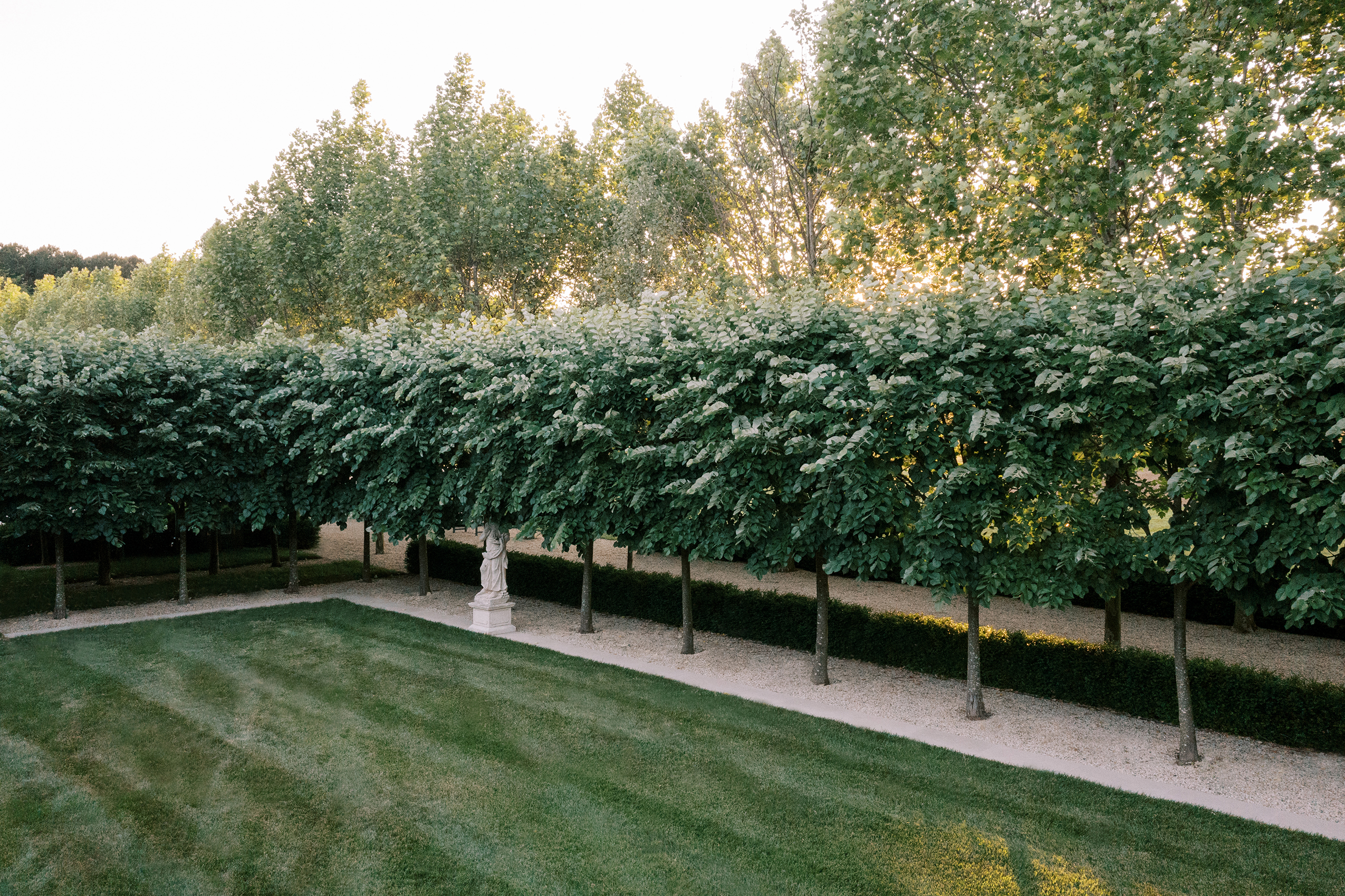
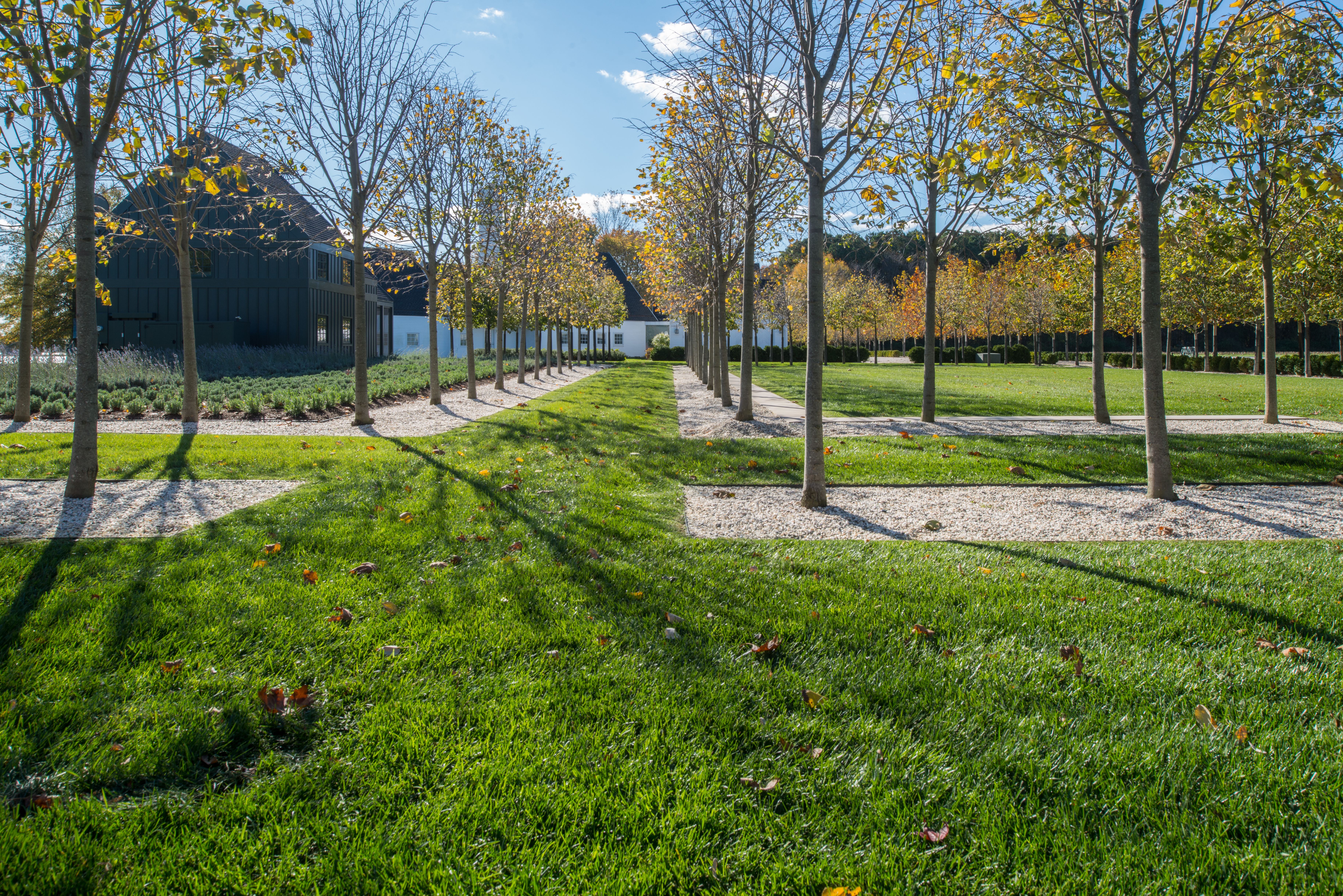
    The garden breathes; it’s very peaceful. It is very French in its geometrics and very Italian in the height and drama yet minimalist, as is the house, which Hugh Newell Jacobsen designed. It’s on a tributary to the Chesapeake Bay on one side and agricultural fields on the other.


    I stayed in this house for about a week before I started designing, And I really got to understand the light and how it worked. It played off the house windows, which are set very low.


    I also got to understand what the garden needed. There was a row of old holly trees, about 20 years old, and a row of Bartlett pear trees, about 20 years old, in the front and on the side of the house. And I took everything out, drove down to the end of the long driveway, maybe three-quarters of a mile, and got sick. I was like, “Wait, what did I just do? I just robbed the land.” It had trees on the waterside but nothing in the front. But it allowed me to start fresh. 


    What are some common challenges, and how do you overcome them?

    For a long time, I thought I could beat Mother Nature. I thought I could manipulate her and do what I wanted her to do. That was a big learning curve for me.


    There’s a native flower, a type of verbena, that I really love to use in California. And we look at these wildfires; a lot of that comes from invasive non-native plants. I’ve always been a stickler for using what’s local. I don’t try to shove a Mediterranean plant in a wet environment.


    I kept putting the verbena in the ground because it’s supposed to work, but it doesn’t want to because it doesn’t like the coastal fog and gets mildew, which infects everything else. I think I invested $20,000 in this plant for a client who agreed, and it just didn’t work.


    There are so many challenges. Another is moving water. Moving water is so important. If you don’t understand how water can affect a garden, you’re not doing a good job because it is just as dangerous, if not more dangerous, than fire.   


    End6.jpg


    What advice would you give to someone just starting in design?

    Be a gardener. If garden design is what you want to do, you have to be a gardener first. You have to work the land, understand the land, and understand plants before you can even begin to design.


    A garden designer needs to implement all the back of the house. Nobody likes to talk about things like drainage, irrigation, conduits for lighting, permitting, and topography. So much goes into the actual infrastructure before you even stick a shovel in the ground.


    So, if you’re not a gardener and don’t want to be a gardener, be an architect. Do the mechanics and understand the engineering of walls and steps, how to move water, and how to build water features. But if you want to be a garden designer, if you really want to design the garden itself, be a gardener.


    What is your overarching goal with each project?

    To make people happy when they come home. I get such a charge out of people calling me four or five years later and saying, “I’m so happy to come home every day.” Just seeing how it affects a family… That’s my goal: making it work for them. 


    If you enjoyed this article, consider subscribing to my newsletter for more content and updates!
  • How giu giu’s Founder Transformed Her Grandmother’s Legacy into a Global Knitwear Brand

    How giu giu’s Founder Transformed Her Grandmother’s Legacy into a Global Knitwear Brand

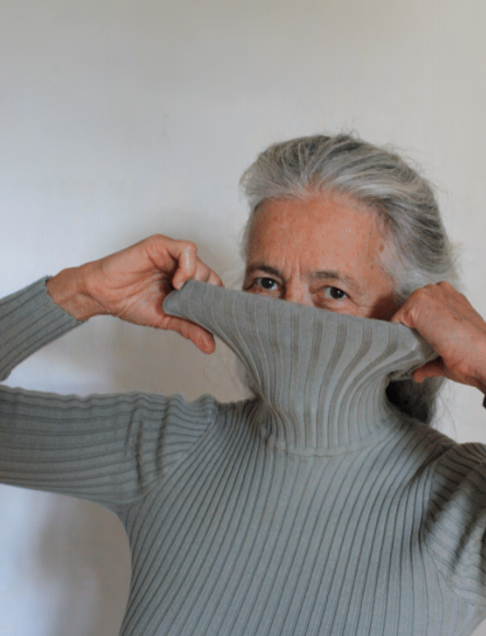
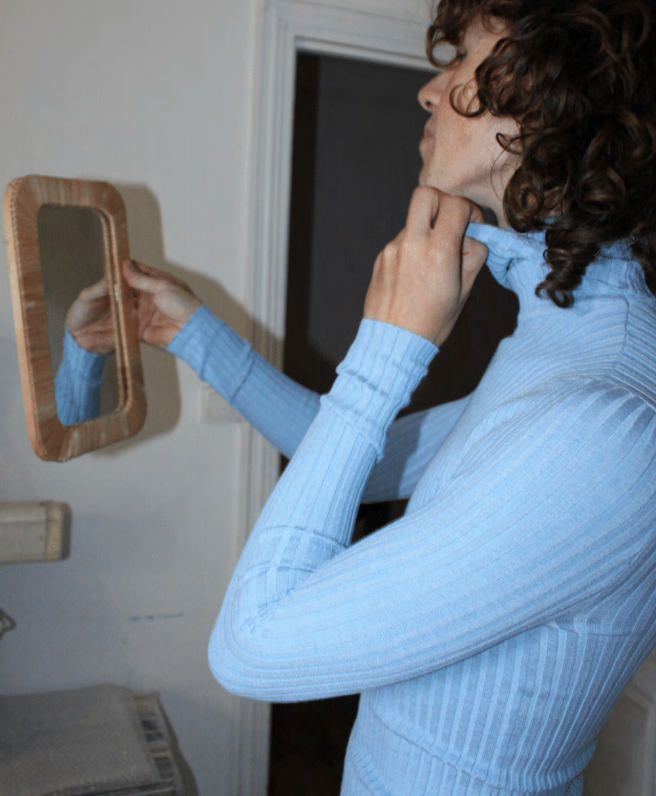
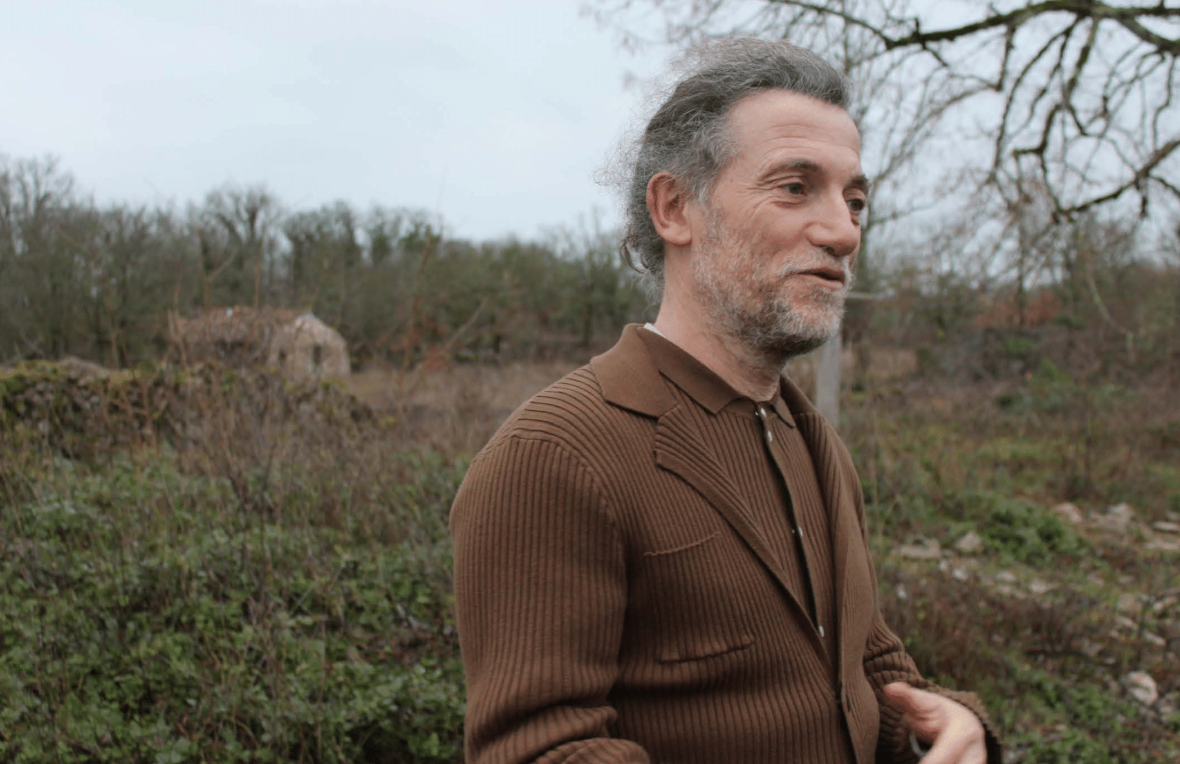
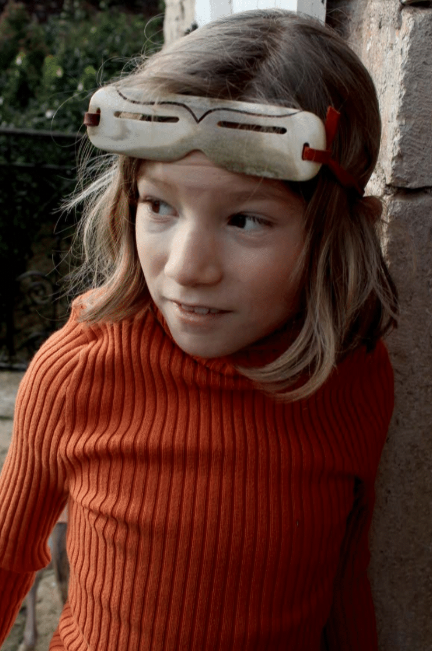
    Inspired by her grandmother Palmira Giglia, acclaimed “Vaccaro” turtlenecks designer and owner of Settebello boutique in Boston, Giuliana Leila Raggiani launched her design career in 2013 after studying at Parsons School of Design and completing the knitwear program at Central Saint Martins in London. 


    She started with an intimate collection of four chunky jacquard oversized sweaters made on her knitting machine. The collection evolved following Giglia’s passing in 2014 when Giuliana chose to reproduce her grandmother’s iconic turtleneck.


    “Little did I know it would become the missing piece to the puzzle of giu giu,” Giuliana says, reflecting on her own brand’s launch. 


    Called “NONNA,” this homage to the woman who taught her about fabrics was also a gift to Giglia’s original customers, who began contacting Giuliana to share their personal memories tied to the coveted collection.


    Encouraged, Giuliana expanded the “NONNA” collection into different silhouettes, following her grandmother’s knitting technique.


    Today, “NONNA” sits at the heart of giu giu. Giuliana divides her time between France and Tokyo, where she opened GIU GIU House. This seasonal experience/community space serves as a gallery, shop, café, and portal to a beloved brand.  


    Giuliana took time to discuss her background and how her grandmother inspired her. She revealed her design philosophy, reflected on memorable collections and experiences, and shared advice for other designers. 


    What is your connection to Sicily?

    My mother is from Sicily, and I am a first-generation Sicilian born in Boston, Massachusetts. A lot of my family still live in a small village called Aragona, in Agrigento. It’s a beautiful historic region by the sea, and I’d love to find time to visit more frequently. 


    Tell us about your grandmother Palmira Giglia, and how she inspired you.

    My nonna, Palmira Giglia, was a true queen. She was always my favorite person to spend time with, and truly understood me to my core. She had hands of magic—everything she touched somehow became a work of art, whether it was a dress she was sewing, her garden, or a dessert she was making. She was fabulous, had impeccable taste, taught me about fabrics and cooking, and had an undying passion for the arts in all forms. 


    There was something truly divine about her essence. She opened a boutique in Boston with my godfather, Gino, from the 1960s to the early 90s, called Settebello, after they emigrated from Italy. Together, they created a cult line of knitwear, specifically, the “Vaccaro” turtleneck, an iconic shrunken ribbed knit available in a rainbow palette of hues. 


    giu-giu-Nonna-turtleneck-in-Cobweb.png

    giu giu “Nonna” turtleneck in “Cobweb”

    How do you blend your heritage into your designs?

    It is naturally embedded in every stitch of the knitting, as my designs are rooted in my nonna’s work and passed down to me.  I feel it’s my duty to honor the lineage of something that served so many people with positive memories. It is an ancestral timeline and my practice in the “art of preservation.” 


    How does the giu giu design philosophy and aesthetic reflect your personal experiences and influences?

    The philosophy of Guu Giu is to feel comfortable in your skin, like you’re wearing nothing and everything at the same time, because it feels so good on your physical body. 


    I think back to my personal experiences where I felt best in my clothing and try to replicate that feeling through my designs. I believe your clothing should work with your body and not against it. Garments that excite the senses more than just visually. Touch. Mixing textures through fiber and stitch. An invitation to explore and play—to roll, tie, twist, reverse, etc. To engage your inner child.


    One of the main reasons I love knitwear comes from my personal experience as a dancer.  I always loved that dance-wear allowed movement and had this casual and carefree ability to adjust as needed.  It’s an inspiration that stays constant in my work.


    giu-giu-Nonna-Turtleneck-in-Baleine.png 

    giu giu “Nonna” turtleneck in “Baleine”


    Tell us about some memorable collaborations.

    Ah, it’s tough to choose, as each collection has been so special and serves as a little time capsule for me. I’d have to say, in 2020, during the first wave of COVID, my factory shut down for months. I didn’t have any physical samples to shoot, so I got together with some friends in L.A., and we created a very extra-terrestrial virtual reality film for giu giu using a green screen. It was such a different perspective and way of showing the giu giu world and a fun way to solve a seemingly huge setback. 


    giu-giu-Nonna-blazer-and-button-down-in-Mud.png

    giu giu “Nonna” blazer and button-down in “Mud”

    What has been the most rewarding part of your journey?

    After 11 years of growing this baby, I think finally being able to see the fruits of my labor through the community I’ve built has been the most rewarding. Hearing directly from customers and the giu giu family about how this clothing has touched, healed, and created memories of love for others brings me so much joy. It’s the small part I can do in the grand spectrum of helping change the world in an effort to make it a more beautiful and harmonious place. 


    giu-giu-Nonna-Turtleneck-in-Kaki.png
    giu giu “Nonna” turtleneck in “Kaki”

    What advice would you give to aspiring fashion designers?

    Listen to your intuition. The right path does not always look the same for everyone. It may not make sense on paper or when you do the math. People may call you crazy.  But you always feel the answer in your gut. Sometimes, you have to move against the grain of what’s “normal” or what has worked for others. Yet, in the end, I promise you will never regret it. 


    giu-giu-Giuliana-Raggiani-walking.png 
    “Sometimes, you have to move against the grain of what’s ‘normal’…”


    If you enjoyed this article, consider subscribing to my newsletter for more content and updates!