Author: wp@codeaddicts.io

  • Sicilian Sea Salt: How a Family Trip to Sicily Sparked a Business Rooted in Tradition

    Sicilian Sea Salt: How a Family Trip to Sicily Sparked a Business Rooted in Tradition

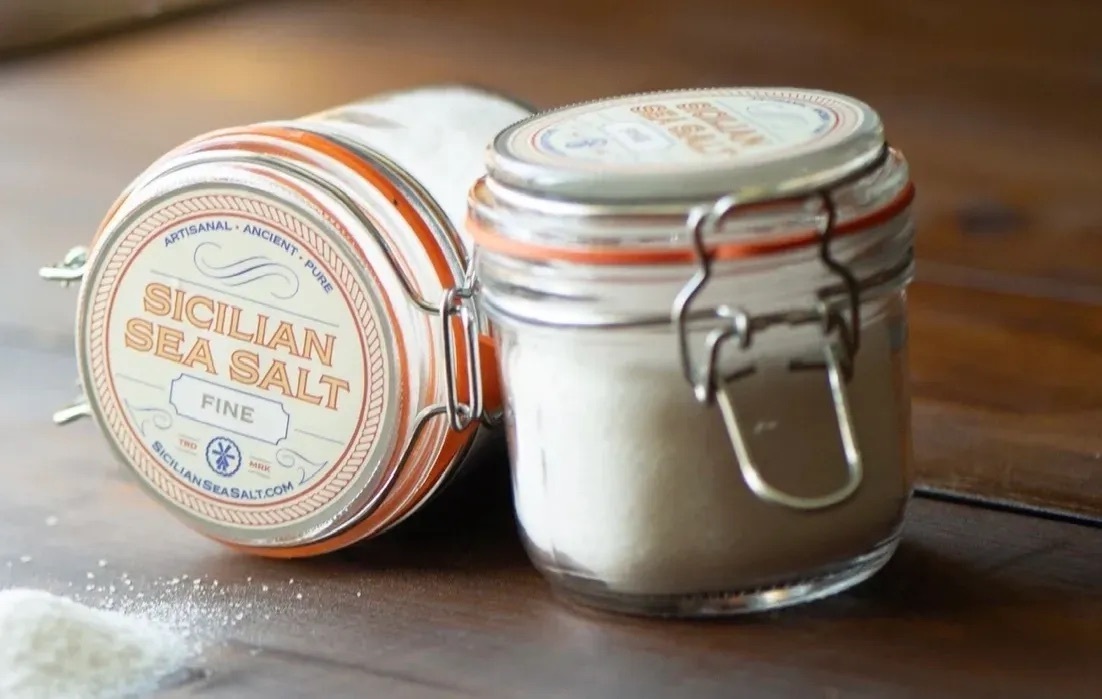
    Search for the phrase “Sicilian sea salt” online, and you’ll stumble on Sicilian Sea Salt. When you learn that the company’s co-owner, Joe Styler, works in tech, it’s no wonder the brand has optimal search engine results.


    The senior marketing manager of GoDaddy’s Domain Academy runs Sicilian Sea Salt with his wife, Leslie Styler, in Phoenix, only fitting for a product once harvested by the Phoenicians. 


    Joe’s grandmother was from Western Sicily, where he first encountered Sicilian sea salt production. After one taste of the product, he was hooked. As a trained chef, he’s fully incorporated it into his food preparation. He’s confident other people will have the same experience. 


    Joe and I recently chatted about the Sicilian Sea Salt Company and sea salt from Sicily. He shared what sparked the development of the business and what sets his salt apart from that of other salt producers and purveyors. 


    What inspired Sicilian Sea Salt’s start?

    It was kind of an accident. My son really liked science, and he loves geology. We were in Sicily with my parents and brought my mother-in-law. My dad wanted to take my son out to do what he wanted. He wanted to see rocks. Where are you going to see rocks? They went to the salt museum. They came back with salt, and it was unbelievable how good the salt was.


    I’ve cooked my entire life, worked in many restaurants, and tried different salts. I know salt’s importance in different seasonings, but this salt was just different. 


    We got some from the museum, and when we went back home, I needed to figure out how to get more of this salt. We couldn’t get it here. So, I started reaching out to people in Sicily, and I found a way to get the salt. Then, I started giving it out to people as gifts, and I’d have to get more and more and more salt because everyone wanted it. So, we started getting it in bulk and just giving it away. 


    I was talking to one of my friends to whom I gave salt, and they said, “You should sell this because everybody who has it likes it, and there’s not enough for you to give out. You should just try and figure out a way to sell it.”
     

    What makes Sicilian sea salt unique compared to other salts on the market?

    There are a couple of things that are really cool about the salt. First, really, there’s something that I think is indescribable about it. We call it “magic salt” because everything you put it on tastes better than it would with a different salt. 


    What makes it special is that it’s harvested in a protected space, a marine reserve in Sicily. So the water where they get the salt from is really pure, and they’ve been doing it there for thousands of years. We live in Phoenix now, and it’s funny because the Phoenicians started it there. For thousands of years, Sicily was conquered by different people, and everybody used the salt. That was one of the main things of importance that they would take from there.


    When you drive on the coast from Trapani to Marsala, you just see miles and miles of salt pans, and they’ve been there for thousands of years and have windmills. Those are not really in use; they’re decorations now, but they had those windmills to pump the seawater in these flats. 


    Sea salt is made from evaporated ocean water, which is solar evaporation. They put it out into big flat spaces called pans, and then the sun and the breeze from the ocean evaporate the water. Then, what’s left is the salt. So it’s really pure; there’s nothing added to it.


    It would be organic. The FDA regulates salt, but the USDA does not because it considers it a rock—and this was another challenge when we started to figure out the regulatory issues of running a food business. The FDA regulates anything you put in your mouth. The USDA designates things as organic, and since they don’t recognize salt as something that comes under their purview, you can’t get an organic designation. But it is really very pure the salt that we get. 


    I think that that’s different than what most people get. The stuff that you get off the shelf is made by giant chemical companies, and it’s really processed to be the same no matter what. They need to do chemical processes to make it like that. Then, they add different chemicals for anti-caking and make sure that it can pour out if it’s humid. They also make sure that it’s white. They do a lot of processing to it, which makes the bland, almost metallic flavor of normal salt compared to a salt like ours, which is special.  

     
    Even the kosher salt is processed in most cases. It has a more bland taste to it. They also strip out a lot of natural minerals, which are trace elements. 


    Since each batch that you pull comes from the ocean, it will vary. But there are different amounts of trace elements in there. Some people say it’s beneficial for your diet, and there are studies on that, but I think that it just gives a different flavor profile.


    What makes Sicilian salt special is its long history. The ancient Greeks, the Phoenicians, and the Romans all used salt pans and the grain they grew there as key ingredients in their empires. It’s just been a natural way of life for thousands of years. 


    It’s also environmentally friendly to use salt from the ocean. It has been there for thousands of years and doesn’t hurt the land. There’s no erosion. 


    If you buy Himalayan salt, it’s fine; the pink salt is good and helps people, typically in poorer communities, make money. But they do a lot of deep mining and destroy much of the earth. 


    Ours is sustainable, which is another thing we like about it.  


    How have you incorporated sustainability into your packaging?

    We try to use paper as much as possible instead of bubble wrap or other things like that so it can be recycled. Then we have these jars that we bought, which can be reused. We just did some packaging with paper envelopes so that you can refill those jars and reuse the jars over and over. We actually recently upgraded to a different jar from France, and it’s a little sturdier. You can use our jars for canning or holding other spices, and there’s really not much waste.  


    You source your salt from Trapani. Tell us about its production.

    We have a supplier there whose family has been harvesting salt for 50 or 60 years. They do everything by hand. You see them out there with rakes. 


    There are different types of salt: fleur de sel, which is the French word, and fiore del sale, which is Italian.


    It forms when the water’s still there, and the salt separates and floats up to the top. That has to be really carefully skimmed because if you bump it, it will sink. And that is really crunchy, almost like Maldon, but Maldon’s different. It’s thin; it’s very expensive and labor-intensive to pull it out, but that’s all done by hand. I don’t know if there’s any machine that can do that. So, across the world, that part is done by hand, but as it evaporates, it just gets into these big clumps that have to be broken up.


    Your core salt comes from what’s broken up, and then you have to grind it down further. So all that stuff is done by hand in the same way it’s been done for thousands of years with the company we work with. So they’re out there with rakes, raking or shoveling the salt into wheelbarrows, and they make it the same way that it’s been made for thousands of years. 


    For us, that’s important too because you can get a lot of salt from Sicily. Many different types are for sale. There are many bigger conglomerates, and they make it in a large-scale manufacturing process. They’re not doing it the same way that it’s been done. It’s not artisanal, and you can taste the difference. You can actually see the difference. The salt’s good, but it’s not great. It’s not that next level. You can look at the two salts by side and just know, just by seeing them, that they’re different. When you try them, you can taste the different flavor profiles that they provide. So, it’s important for us to have something that’s really at the highest level.  


    How do you enjoy your salt?

    I like it in a lot of different ways. I use coarse salt as a finishing salt. We made roast vegetables yesterday, and we used it on top.


    We have the coarse salt that we use for a margarita; we put it on the rim. Then, we use the fine salt if we’re going to do something like a sauce or if we’re baking.


    I also use it if I’m going to make rubs for barbecue, age steaks, or try to tenderize things like lamb. I use the coarse salt, put it over that, and let it sit.


    It really makes a difference in almost anything you eat. In fact, my mother has this little salt shaker in which she grinds her own salt, which she brings around now. After trying it from Sicily, she won’t use any other salt.
     

    What experience do you hope customers will take away?

    I hope they have some connection to the Sicilian people, even if they’re not Sicilian.


    One important thing is that there’s still high unemployment in Sicily. So, I think it would be good if people were more aware of Sicily as a part of Italy that they could visit. It definitely doesn’t get the same amount of attention. It gets quite a bit of Italian tourists, but outside Italy, not many tourists come. I think the more recognition it can get, the more it can help their economy.


    If we can make the connection to Sicily and the unique food culture there, I think that’s important. Sicily has a really different food culture from the rest of Italy. The one thing I like about Italians is that they’re really strict about what qualifies if you make something. If you don’t make the exact right ratio of ingredients, then it isn’t right. You made it wrong. They have protections over their food. Those things are good because they keep traditions alive. As a chef, I like experimenting with things and changing things up. So, for example, I make pizzas. If I’m not using the right flour, the right tomatoes, and the right cheese, then it doesn’t count as a true Neapolitan pizza. 


    Because so many cultures have ruled over Sicily, there’s a lot more flexibility in the type of food that’s there, and it’s a much more diverse food culture. I like that about Sicily, too. And I think that that’s something that people don’t really realize. They think of Italian food as spaghetti, meatballs, pizza, or things like that. And there’s such a wide variety in Sicily. If you look around at different restaurants or marketplaces, they’ll say, “This is Sicilian style,” or “These came from Sicily.” Italians hold Sicily, in some ways, in high respect as far as their food goes.


    I think we can bring more awareness to Sicily as a whole and have more investment there by having people say that they want to go. Former Starbucks CEO Howard Schultz was in Partanna, Sicily, and he started olive oil and coffee. That didn’t go well, but it was good because he said, “This is what I discovered when I was in Sicily,” and it brought more attention to the island. 


    I think it’s really important for people to do more to help the economy overall and continue the culture. So that’s the one thing I hope people take away when they try our salt. I also hope that they start to think more widely about their ingredient choices, how that impacts their health, and how it impacts the flavor of their food. 


    If you enjoyed this article, consider subscribing to my newsletter for more content and updates!
  • How Nani’s Iced Tea Keeps One Family’s Legacy Alive

    How Nani’s Iced Tea Keeps One Family’s Legacy Alive

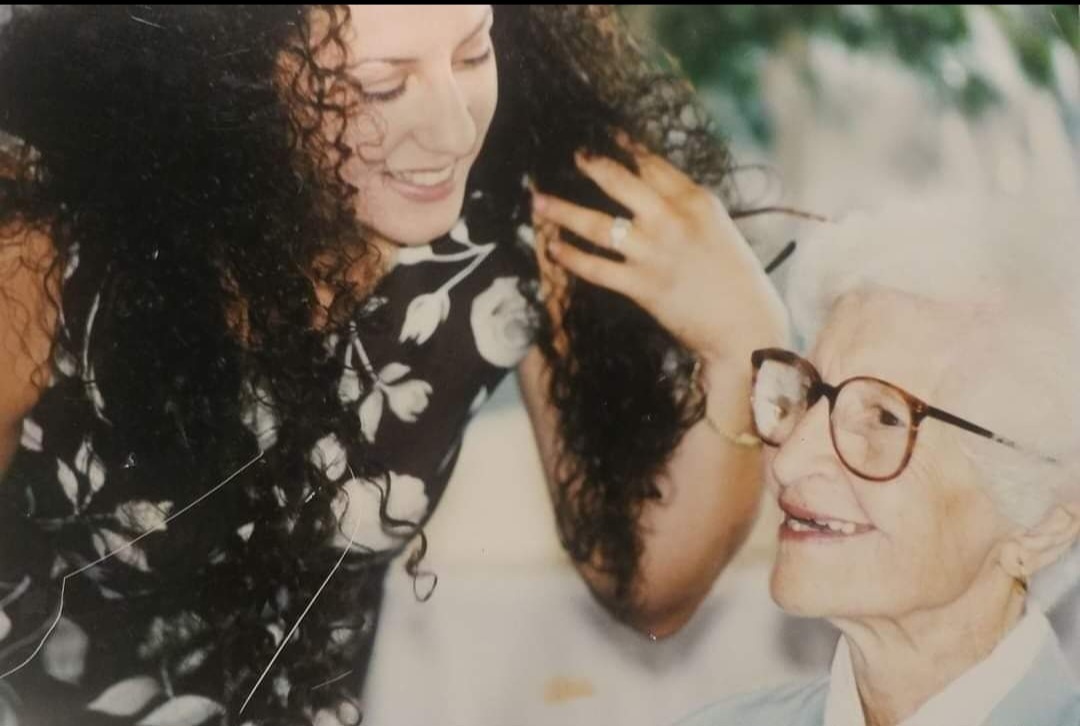
    One of Maria Gallo’s fondest memories is of her grandmother asking her to fetch a handful of mint so they could make iced tea to serve with supper. Today, Maria, an entrepreneur from Albany, New York, is happy to share Nani’s Iced Tea, which is sold in a mason jar bearing a photo of her kissing Nani, who came to the U.S. from Castiglione di Sicilia.


    “It’s thrilling to me to be doing this in her name and her honor,” Maria says. “And I feel like she’s been with me the entire time before it even started. Obviously, she gave me this, right? She always took care of me, and I feel like this is her way of still taking care of me.”

    Nani must have been watching over Maria as, after a challenging start, the brand has become a favorite in Upstate New York stores where it is sold. Expanding that reach is part of the plan, which Maria shared with me, along with how she got started and how she chooses to stand out in the crowded beverage market. 


    Tell us about Nani and how she inspired you.

    We were always very close. When I was in my early 20s, I lived with her, and later, I lived next door to her. And so, just as I had been in my childhood, I was always in her kitchen.


    The iced tea was something that I loved to do with her because she had a routine. My grandmother’s house was immaculate. She would get up in the morning and have breakfast, and then she would begin her housework. After her housework was done, she would shower, and then in the afternoon, she would read, say her rosary, and then start to prepare for dinner.

    Before she started cooking dinner, she would steep the tea in a pan on the stove. As we got closer to prepping dinner and setting the table, she would ask me to run outside and grab mint. Then, I watched her make it.


    Those smells and those memories just always stayed with me. And also it was delicious, which doesn’t hurt. She made one pitcher every night when it was warm in the summer months.


    I started making it when my kids were little. I would have friends who would say, “I’m coming tomorrow to visit. Make the iced tea.” So luckily—I mean, it’s not luck by any stretch; it’s her hand—I was able to recreate the taste of her tea.


    It was something that I loved to do, and I was thrilled to be able to replicate it and make it for my friends and people that I was close to. That led eventually to me bottling the tea.

    We have five flavors now. When I first began this, I just had her original iced tea, which was just sugar, lemons, mint, tea, and water. But then, when I was out, people requested it unsweetened, so I added a few more flavors.

    On the side of every jar, I always tell the story of my Sicilian grandmother. The tea was part of everything that she was, and that’s now ingrained in me.


    Share your start and the challenges you faced.

    I was teaching at the time. I would bring it to school. In the summer and on weekends up in Saratoga, I would waitress and bring it in for staff. I would bring it in a five-gallon drum, and everybody loved it, which made me feel great. It was fun. It was a good couple of summers.


    The restaurant owner and I had been friends for some time, and he came to me and said, “Let’s get this going. I know a bottler, and let’s talk about bottling it. The guy I want you to talk to is bottling some things for me. I spoke to him this morning, and we were talking about doing the tea in a plastic pinky jug.”


    I kind of paused and didn’t say anything. And he said, “What?”


    I said, “Well, I don’t want to do plastic. I just always pictured a glass mason jar with her picture on the front, maybe black and white.”


    Instantaneously, I was thinking, “Oh my God, Maria! Here’s somebody you love and respect who is calling you and saying, ‘I’m going to get this going for you.’”


    He said, “This is your story, and don’t compromise for anybody.”


    I began working with the bottler, and when we met and sat down, he just said, “This is amazing, and you’ll be bought out in five years. There’s nothing like it on the market packaging-wise or taste-wise.”


    I asked him whether his R&D team could replicate the tea without chemicals or artificial preservatives. He said, “Oh, yeah.”


    But they just couldn’t nail it. We tried everything, and chef friends of mine tried to help. We tried cheesecloth and simple syrup. The problem was that every time we heated it up, it tasted like Sleepy Time tea. We couldn’t get it to be where it needed to be to be shelf-life stable in stores without affecting the integrity of the taste, so we parted ways. 


    I have a lot of friends in the restaurant business in Albany, and someone had given me the name of a second bottler. I went up to see her. She was about two hours away, and she was amazing. Within three weeks, she nailed it.


    You know how when you make sauce or sausage and peppers, it’s always better the next day? It’s the same thing with my grandmother’s iced tea. So I put a pitcher in the refrigerator, and then the next day, I took that tea to her and said, “This is what I want it to taste like.”


    She was wonderful. She found an extract company, and everything was all-natural. It was amazing. We started bottling together.


    I was teaching then and got a notification on my Facebook page: “Hi. We were just in the shop in Delmar. My name is blah, blah, blah. I work for Whole Foods. We’re coming to Albany. Would you like to meet at Whole Foods?”


    All my little local guys who had been with me from the beginning were like, “Girl, this is it. This is so great!”


    Five minutes later, my bottler shut down. New owners came in. They decided they didn’t want a co-packing plant’s liability, so they took the production facility in a different direction. So, I was back to square one.


    In the interim, the restaurateur I’d mentioned got me a sit-down with a distributor, the biggest distributor in our area at the time. So, in about 2015, I met with this guy, and he just said, “Look, I love the product. I love the story. I love your tenacity. I’ll put the money up. When you find a bottler, let’s do this. This is going to be great. It’s going to be such a great story.”


    It took me a year to find a bottler. I went to a bottler downstate in New York, and the bottler botched the whole run that we did: 1,200 cases.


    My distributor took off and was not happy. That was a brutal summer. We were renting a house that I thought I was about to buy. We lost the house, and my car got repossessed. It was a pretty ugly time.


    In the interim (after the bottler debacle downstate), I had reached out to a few bottlers, but besides being very costly, I would have been at their mercy as far as a production schedule goes. Eventually, I decided it was time, so I took my last few thousand dollars and secured the space for Nani’s.


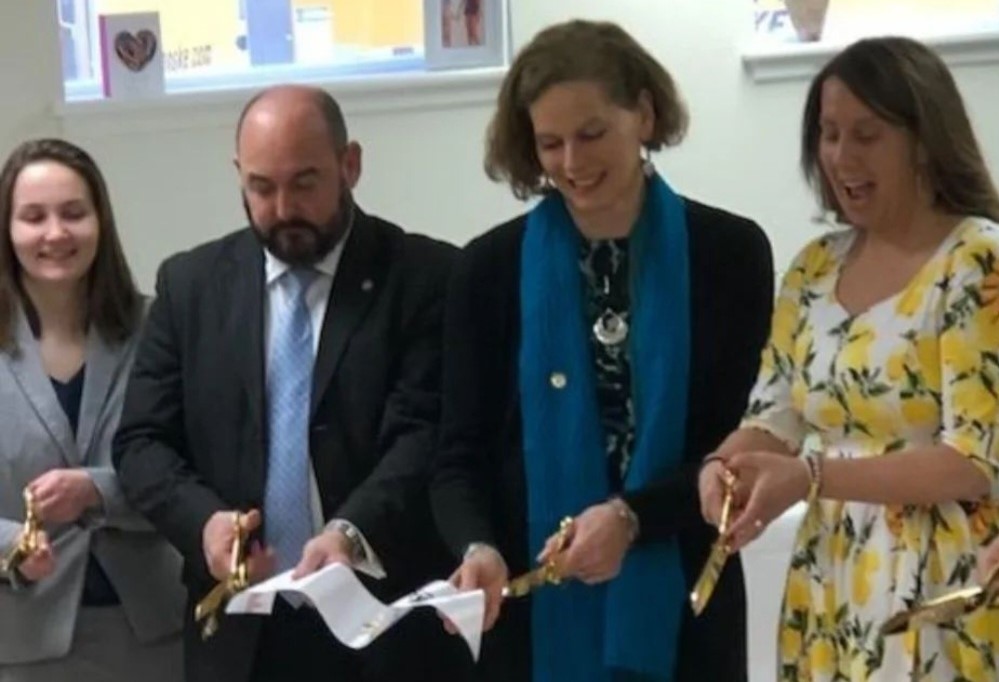
    So many people loved the story, but no one wanted to cut a check. Every time they would tell me no but that they loved my story, etc., I would say, “No worries; thanks so much.” Then, I would tell them that someday I was going to have a ribbon cutting at that space, and I’d wear a lemon dress. I felt like they were probably thinking, “Okay, crazy girl. You have no money, no credit, no house, no job, and no machinery.”


    Eventually, I found capital. This group around here works with entrepreneurs, and I got capital for the machinery in the summer of 2022. I started bottling shortly after my ribbon cutting last winter. And I wore that lemon dress!
     
    Maria-Gallo-wearing-her-lemon-dress-at-the-ribbon-cutting-horizontal.jpg
    Maria Gallo wore her lemon dress to her ribbon-cutting ceremony.

    Tell us why avoiding plastic is so important to you.

    When I first started, all the numbers guys I met with said, “You can’t use glass if you want to do a mason jar. You have to use plastic.”


    I never compromised on that. As soon as I was out doing demos at Whole Foods and even smaller places, everybody loved and appreciated the glass. And now, over the last five or six or seven years, everybody’s back to realizing how bad plastic is and how good glass is.


    The thing for me about glass is that, like so many people, I drank Snapple when I was at work or out to lunch, and I did not like the transition to plastic. It didn’t taste the same. I wanted a tea that, if you left it in your car overnight, whether it was 10 degrees out or 95 degrees out, it would never change the integrity of the tea. That glass jar and not adding chemicals were just two things that I wouldn’t compromise on.


    What else sets you apart from other teas on the market?

    I haven’t found anything comparable since I started this tea company in 2011. I don’t taste every iced tea out there, but it’s still basically the staples: PepsiCo makes Pure Leaf iced tea, and Coke makes Gold Peak. I don’t find either comparable.


    It’s because of the ingredients in the tea, the extracts that we source, and also the way I make the tea. At some point, I may have to move to a concentrate, but right now, I make the tea on a grander scale, the same way my grandmother made it. That’s how my scheduled process was made through my first bottler.


    I still soak tea bags in drums overnight in the refrigerator, pull everything out that morning, pull the tea bags out, strain it over and over and over, and throw it into the kettle of hot water. The kettle takes about two hours and 15 minutes to get up to temp. And I bottle at 190 or 191, so it’s a shelf-stable product. When I bring it to places, I can say, “It can sit in your back room for a couple of weeks because it’s safe to be out of the refrigerator.”
     

    What are your plans for the future?

    I’m hoping we can eventually get the tea on a national scale. I’m about 40 minutes from Saratoga Springs. A lot of people come here in the summer for the track and the baths; it’s a beautiful area.

    Every summer, people tell me, “I had your tea this summer in Saratoga.” Or, “I had your tea this summer in Albany.” They ask, “Do you ship? When are you going to be here?” When I was in Whole Foods, I had someone who worked at that store who then moved to the Boston store say, “Oh my God, I miss your tea so much. Can you get it here?”


    National distribution obviously is quite a challenge both financially and logistically, but it can be done. We’re talking about getting into some places in New York City with my distributor. And for me, that’s as thrilling as having Nani’s available on a national level. We’re talking about meeting with Italian wholesale grocers down there and getting into the Italian delis in the Bronx and Brooklyn. My dad was from the Bronx. Nani had cousins in Brooklyn. So, for me, that would be so thrilling. I would be so honored because I know that those people are paying homage every day to their aunts, uncles, and grandparents.  


    What do you hope your customers take away?

    When I get out, dressed up and in front of people, and talk about the teas and my grandmother, that rejuvenates me.


    It goes a long way; it validates everything for me. Whenever I do a demo, people tell me, “This is the best iced tea I’ve ever had. I love this story so much.” They hold the jar, and they look at my grandmother. And I love it, and they love it. It validates for me that there’s a reason why I wanted the jar and her face on it and not just another iced tea in plastic.


    Besides physically making the tea, my favorite part of doing this is hearing people respond to it. I mean, people will message me and text me, and they’ll tag me on Instagram and say, “Oh my God, I love this tea so much,” but really, being out and pouring tea for two or three hours at an event and hearing the feedback is wonderful. That really goes a long way for me.


    If you enjoyed this article, consider subscribing to my newsletter for more content and updates!
  • Sicilian Entrepreneur Transforms Railways with Sustainable Smart Sleepers

    Sicilian Entrepreneur Transforms Railways with Sustainable Smart Sleepers

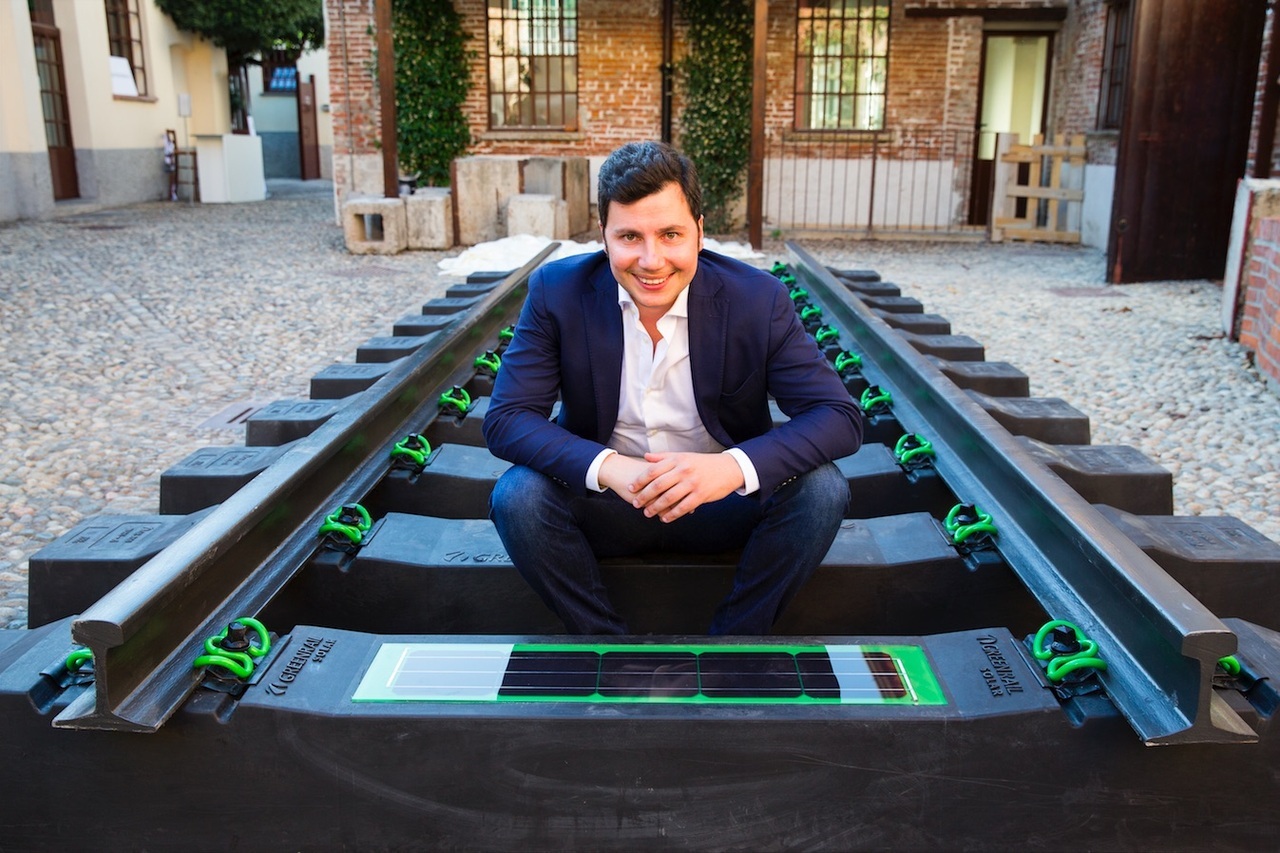
    Railways have long been a part of Sicilian entrepreneur Giovanni De Lisi’s life. The 39-year-old started at a young age, working for his family’s maintenance company, De Lisi Costruzioni Ferroviarie. There, he observed problems associated with traditional railroad ties, called sleepers, which are made of concrete and subject to high wear and environmental impact. Giovanni investigated the potential of using recycled materials, such as plastic and rubber from used tires. That led him to found Greenrail Group in 2012, with offices in Milan and Rome.


    “The goal was to create a more innovative, sustainable, and high-performance railway sleeper,” says Giovani, who divides his time between Palermo and Milan.


    We recently corresponded via email, during which he shared Greenrail’s innovations and benefits, current and upcoming projects, and his optimism for the future of smart technology in the railway industry.


    Can you explain how Greenrail’s smart sleeper technology works?

    The Greenrail railway sleeper is an innovative sleeper designed to combine sustainability, efficiency, and durability. This railway sleeper is a combination of traditional and recycled materials, aimed at enhancing performance and reducing environmental impact.


    Key technical features:

    • Hybrid structure: The inner part is made of reinforced concrete, ensuring the structural strength and stability of the sleeper. The outer coating consists of a mixture of recycled rubber and plastic obtained from used tires and other plastic waste, thereby reducing the need for virgin raw materials and contributing to recycling.

    • Durability: Thanks to the outer coating made of recycled materials, Greenrail is less prone to wear compared to traditional concrete sleepers. This outer layer protects the internal structure from weather, erosion, and chemical action, extending the lifespan of the sleeper. The estimated lifespan of a Greenrail sleeper is over 50 years, making it a long-lasting solution compared to conventional options.

    • Mechanical and vibrational resistance: The mechanical properties of reinforced concrete ensure high resistance to compression and dynamic loads typical of railway lines. The rubber coating acts as a natural shock absorber, reducing vibrations transmitted to the ground and improving the comfort and stability of train passage.

    • Electrical insulation: Greenrail provides better electrical insulation compared to conventional sleepers, reducing the risk of electrical leaks and ensuring better operation of electrified railway lines.

    • Environmental sustainability: Each individual Greenrail sleeper recovers approximately 35 kilograms of recycled rubber and plastic, reducing waste accumulation. During its lifecycle, it helps reduce CO₂ emissions through the use of recycled materials and increased durability compared to traditional solutions.

    • Compatibility: The Greenrail sleeper is designed to be compatible with standard railway technologies and can be installed on existing railway lines without significant modifications to the infrastructure.

    • Advanced versions: In addition to the basic version, Greenrail also offers variants such as Greenrail Solar, which integrates photovoltaic modules into the design, allowing for solar energy generation, and Greenrail Linkbox, which integrates sensors to monitor the state of the railway lines.


    These features make the Greenrail sleeper a cutting-edge solution in the railway sector. Its strong focus on sustainability and technological innovation revolutionizes its ability to improve safety and reduce operational costs.


    Greenrail-sleepers.jpeg


    What are the key benefits of integrating sensors and solar panels into railway sleepers?

    The integrated sensors allow for constant monitoring of the network’s status, improving safety and reducing maintenance costs through predictive interventions. Solar panels, on the other hand, generate up to 44 megawatt-hours of energy per kilometer per year, transforming railway infrastructure into sources of renewable energy. This has a significant impact on environmental sustainability and energy efficiency.


    How does Greenrail’s use of recycled materials contribute to sustainability?

    By using recycled plastic and rubber, Greenrail significantly reduces its environmental footprint. Our sleepers reduce CO₂ emissions by 40% and decrease noise, energy consumption, and water usage compared to concrete sleepers. This circular economy not only limits waste but also extends the operational lifespan of the sleepers.


    What impact do Greenrail sleepers have on the passenger experience compared to traditional sleepers?

    Greenrail sleepers contribute to a reduction in vibrations of up to 40%, ensuring greater comfort for both urban residents and passengers. Additionally, the smart technology will help prevent failures and service interruptions, ensuring greater reliability and safety.


    What has the response been?

    The response has been extremely positive, both from railway operators and environmentalists. Our pilot projects in Europe have confirmed the effectiveness and sustainability of our solutions. Greenrail Solar, in particular, has attracted a lot of attention for its ability to generate renewable energy, in addition to all the other advantages of Greenrail technology for railway infrastructure.


    What are the next steps for Greenrail in terms of market expansion?

    We are aiming to expand into international markets, especially in Europe and North America. We have already patented our technology in over 80 countries and plan to build industrial plants to meet demand. Our strategy also includes licensing our technology to local manufacturers, who will use local recycled materials.


    How do you see the role of smart technology evolving in the railway industry?

    Smart technology will be the future of the railway sector. Predictive maintenance and real-time monitoring will become the norm, improving safety and operational efficiency. I foresee an increasing integration of artificial intelligence and IoT technologies to further optimize infrastructure management and minimize human errors. Our smart sleeper technology is just the beginning.


    Are there any projects or collaborations that you are particularly proud of?

    One of the most significant projects is the pilot installation of Greenrail Solar in Emilia-Romagna. It was the first concrete example of our solar technology applied in the real world, with very promising results in terms of energy production and durability. We are also proud of the collaborations that are being concretely activated in the short term with some operators of European subway lines to modernize their outdated systems.


    What kind of experience do you hope to provide for your clients and partners?

    We want to provide an innovative, reliable, and sustainable solution that brings long-term benefits to both our customers and the environment. We guarantee our partners a smooth collaboration process, from design to implementation, with the shared goal of modernizing railway infrastructure. We focus on trust, transparency, and a constant commitment to improvement.


    If you enjoyed this article, consider subscribing to my newsletter for more content and updates!
  • Maria Rago: Fusing Sicilian Heritage with Genre-Defying Music

    Maria Rago: Fusing Sicilian Heritage with Genre-Defying Music

    There are countless ways Sicilians have touched, inspired, and vivified American culture, one of which is through music. 


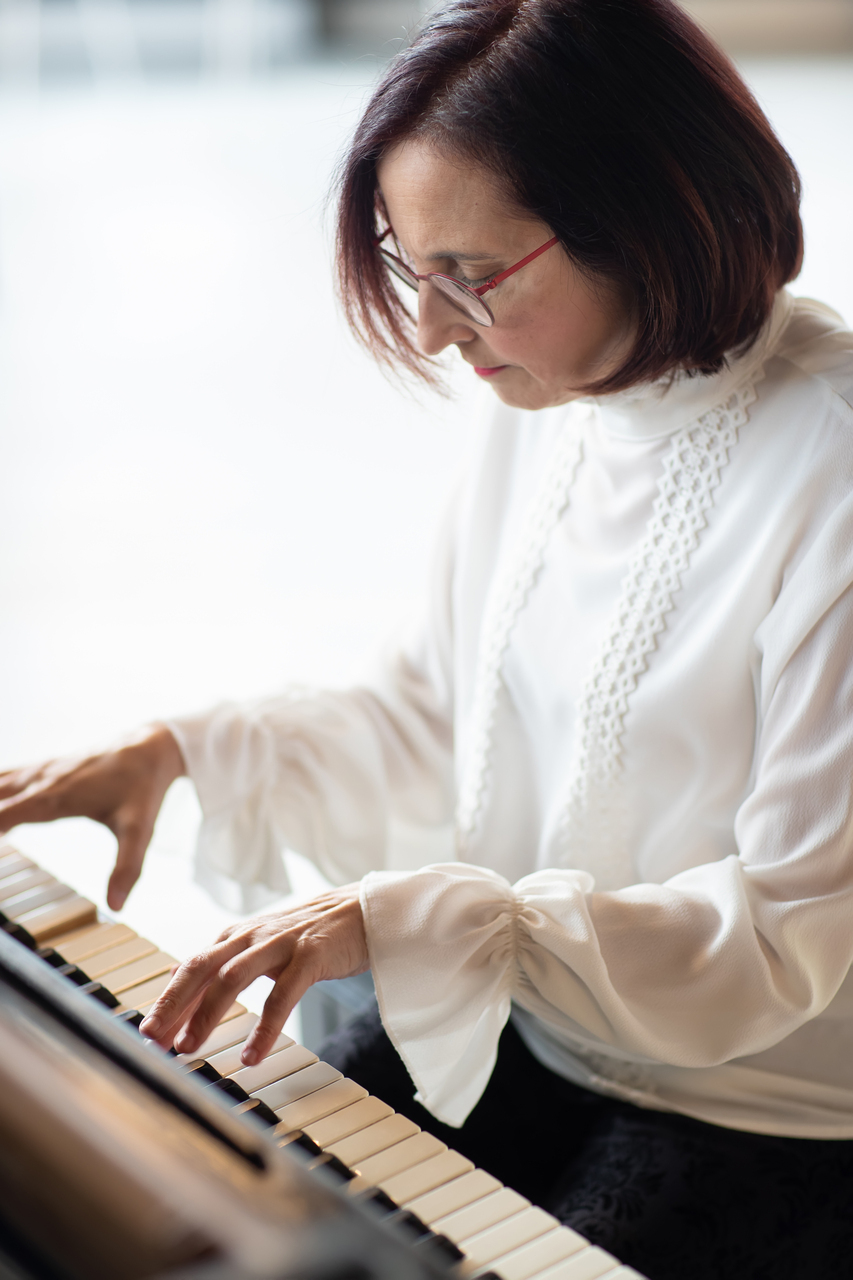
    I recently discovered the introspective yet energizing works of Chicago-based composer and pianist Maria Rago, who hails from the small Sicilian town of Santa Caterina Villarmosa in the province of Caltanissetta. Atmospheric and even otherworldly, the title track of her latest album, Red Land, blends electric guitar thrashing with symphonic sounds. Like so much of her music, it defies genre constraints with vibrancy and texture drawn from her Sicilian heritage. 


    “My Sicilian roots have significantly influenced my identity as a pianist and composer,” says Maria. “The way I perceive the world—its sounds, colors, the contrasting shadows of tragedy and beauty, the allure of history, the relentless sun, and the vibrant spirit of the Sicilian people—shapes my artistic vision. Being an islander allows me to create an ‘island’ of sound, a smaller haven within a broader context.”


    Maria took time out to share her music inspiration, creative process, favorite composition, future projects, advice for musicians, and what she hopes listeners take away.


    What inspired you to pursue a music career?

    Music has always been central to my life, but it wasn’t until I turned 24 that I transitioned from being a listener to becoming a musician, ultimately deciding to dedicate my life to music. It happened during a cello concert when I found myself immersed in the notes of “Suite No.2 in D Minor” of J.S. Bach. Amid those vibrations and melodies, I realized this was the world I longed to be a part of—a realm of infinite possibilities where I knew I was a unique piece of that puzzle. When you write or perform, you expose your inner self; it feels as if you are recounting your own story through another’s voice, sharing, rediscovering, and sometimes concealing the experiences that shape you, all through the medium of music.


    Who are some of your biggest musical influences?

    In my musical journey, the music of J.S. Bach and his infinite being, the earthly conception that meets the universal—the divine that is revealed among his compositions—has a fundamental role. There is a sacredness that runs through his work, a human logic that transforms into a spiritual path, a path that leads you elsewhere. The divine manifesting itself in man. This path impacted my compositions not in the stylistic sense but in the spiritual sense. 


    I also admire Ludwig van Beethoven and his human testament, a project around man and where man dares, challenges, chooses, free from every chain. The divine manifesting itself in nature. Here are two composers who approach, through music, the concept of life differently. 


    Can you tell us more about Red Land?

    The album Red Land emerged from the desire to blend two musical languages: classical orchestration and the electrifying sound of the guitar, masterfully played by Martin Szorad, among other amazing musicians. This album paints the world in hues of red, reflecting a tumultuous environment filled with conflicts and strife—a world where life is hard to come by, yet death is all too easy. Red Land embarks on a journey through such a reality, with the electric guitar serving as a poetic explorer seeking the lingering beauty within.


    Do you have a favorite piece you’ve composed, and what makes it special?

    Typically, after completing a piece, I try to distance myself from it. When I revisit it later, I often feel as if it no longer belongs to me; it becomes a “free creature with its own life,” one that I no longer recognize, a “being” detached from its “creator.” However, there is a piece titled “Lullaby on the Sea,” composed just as I was leaving Sicily—a farewell to my homeland, where I felt that “creature,” which is me, started to separate from its origin: Sicily. 


    What upcoming projects or performances are you most excited about?

    I recently composed soundtracks for two projects: one called The Rebellious River with Studio Dance Arts New York, aimed at supporting young talent in the Bronx, and another, called Two Hands, with the organization Unity Freedom Power in collaboration with an English production, using hands as a symbol of either unity or destruction depending on one’s decisions. I’m particularly excited about a new theater project exploring the lives of remarkable women throughout history, guided by the exceptional mediator Leonardo da Vinci.


    What advice would you give emerging musicians?

    Being a musician is a privilege that demands love, dedication, and relentless practice. My advice for emerging musicians is to cultivate the ability to listen, remain curious, and not take themselves too seriously. Let the music lead you; ultimately, it’s the music that transcends time when everything else fades.


    What do you hope listeners take away from your music?

    Writing or performing opens you up to vulnerability; you lay yourself bare, taking risks in communicating your intended message, never knowing how an audience will interpret it. My hope is that listeners walk away with an idea, a thought, or a mindset—not always positive, but rather a perspective that prompts reflection. Indifference is the greatest enemy, and it’s what art, music, and humanity simply cannot afford.


    If you enjoyed this article, consider subscribing to my newsletter for more content and updates!

  • Sicilian Stuffed Peppers: Tips for a Perfect Veggie Dish

    Sicilian Stuffed Peppers: Tips for a Perfect Veggie Dish

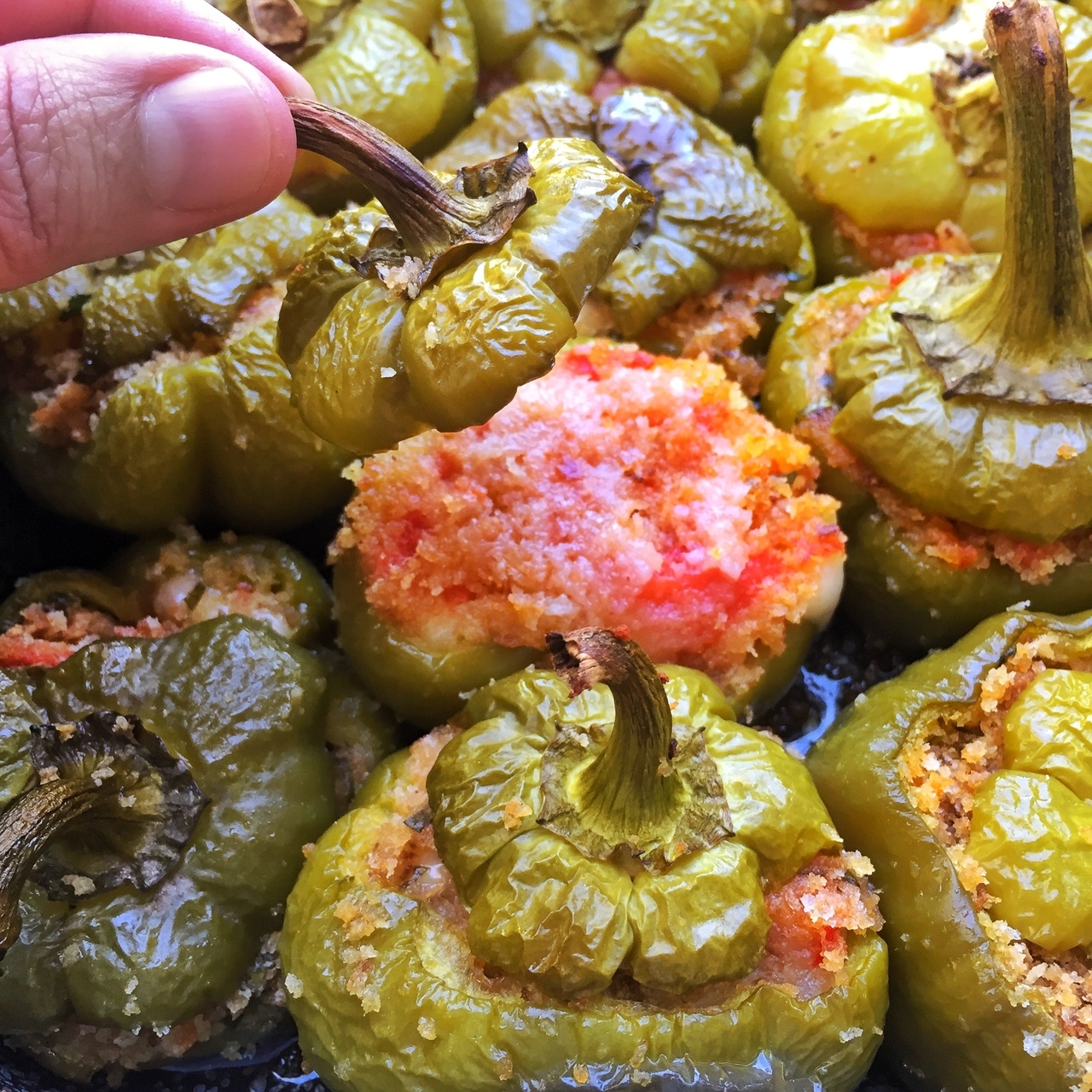
    One of my Sicilian mother’s signature dishes is stuffed peppers. But unlike regular Italian stuffed peppers, she loads hers with veggies. It never occurred to me that her style was uniquely Sicilian until I stumbled on Ada Parisi’s Sicilian stuffed peppers recipe.


    Ada, who was born in Messina, Sicily, blogs at Siciliani Creativi in Cucina from her home base in Rome. 


    She recently shared with me memories associated with this dish, what makes her stuffed peppers Sicilian, the recipe’s key ingredients, and her serving suggestions. 


    What does this dish remind you of?

    Stuffed peppers are a traditional Sicilian recipe, but I cherish the family version I inherited from my great-grandmother. A completely vegetarian version that was prepared at home every summer as soon as the peppers were in season.


    What makes this recipe Sicilian?

    The Sicilian characteristic is certainly the filling, which is not made with minced meat, as in the rest of Italy.


    What are the key ingredients used in the Sicilian-style stuffed peppers?

    The filling is made with a mixture of breadcrumbs, oil, parsley, capers, garlic, grated and chopped cheese. Many also add anchovies, olives, or some chopped tomatoes.


    Why do you use breadcrumbs?

    The use of breadcrumbs in fillings in Sicily is linked to the fact that peasant cuisine was a poor cuisine made of ingredients that farmers always had at home. Nothing was thrown away. Vegetables were stuffed with this old bread seasoned with oil, cheese, and aromatic herbs. Meat or fish were foods for the rich.


    What do capers add to this dish?

    Capers add a very interesting salty note and are typical of Sicilian cuisine (we produce capers in Pantelleria and Salina). Many use salted or oil-preserved anchovies instead of capers, a very common combination with peppers also in northern Italy.


    If you’re vegan or lactose intolerant, can you omit cheese?

    Of course, you can omit the cheese and add a larger amount of aromatic herbs.


    Do the types of peppers matter for this dish?

    The most suitable peppers for this recipe are round peppers, usually red, green, or yellow. I think the red ones are the most suitable, but in terms of color, it is nice to use all three.


    Are there any specific tips for ensuring the stuffed peppers turn out perfectly?

    First, you must not spare the extra virgin olive oil because it is the oil that makes the filling soft and fluffy. Then, cook in the oven at a temperature that is not excessively high, 180 degrees Celsius maximum, so that the peppers cook without drying out.


    How do you typically serve your stuffed peppers?

    We usually serve them among the appetizers or as a side dish for meat or fish. In fact, since the filling is carbohydrate-based, they are also an excellent main dish if accompanied by a rich salad.


    >>Get Ada’s Sicilian stuffed peppers recipe here!<<


    If you enjoyed this article, consider subscribing to my newsletter for more content and updates!
  • How Pasta Grammar Connects History, Tradition, and Taste

    How Pasta Grammar Connects History, Tradition, and Taste

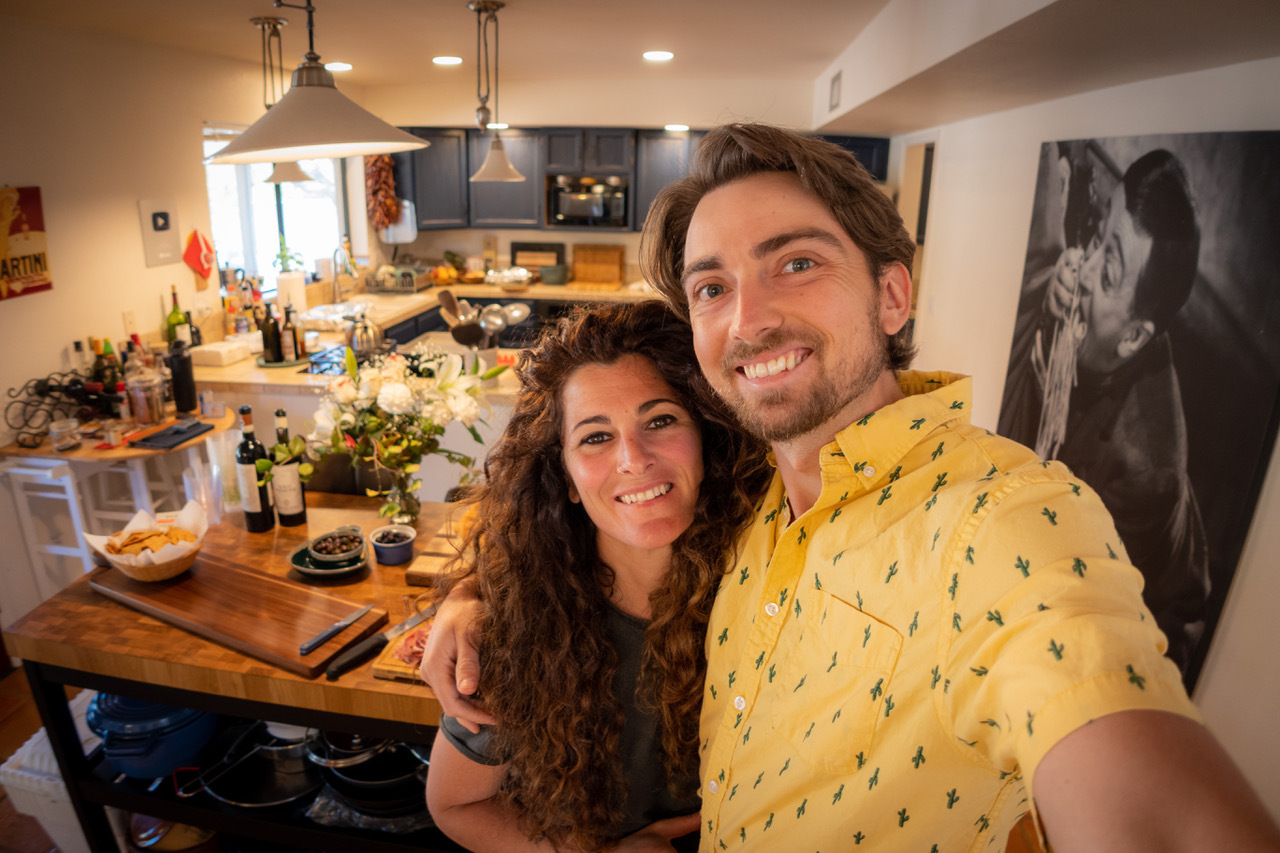
    Harper Alexander had little experience with Italian food before traveling to Italy and meeting his wife Eva Santaguida, who is from Calabria. But today, as co-founder of the Pasta Grammar YouTube channel and co-author of The Italian Family Kitchen: Authentic Recipes That Celebrate Homestyle Italian Cooking, he’s doing his part to educate the masses about the food and culture that’s inspired him. 


    I sat down with Harper and Eva to discuss their new cookbook, why and how they started Pasta Grammar, what goes into recipe writing, the biggest misconceptions about Italian food, which Sicilian recipe is their favorite, and more. 


    How and why did you start Pasta Grammar?

    Harper: We started shortly after we got married and right as COVID hit. It was one of those COVID hobbies that a lot of people did during the pandemic when they weren’t working.


    I’d been to Italy a few times to visit Eva when we were dating, but food wasn’t something I deeply cared about or knew very much about. And so, at first, I made these videos joking around with her because she was new to America and getting her reactions to American food, whether it’s Domino’s Pizza or the prices at Whole Foods, whatever. At the end of every video, Eva would cook to show how she would do things. And more and more people started asking for recipes. As we did more of these videos, I realized something I didn’t even know when I married her: “Oh, you’re a really amazing cook, and Italian food is very different from what I thought.” and “I really like it, and I want to know more about it.”


    For me, it was an evolution of not really understanding what I had at home, which was a very talented cook and discovering this whole world of Italian food.


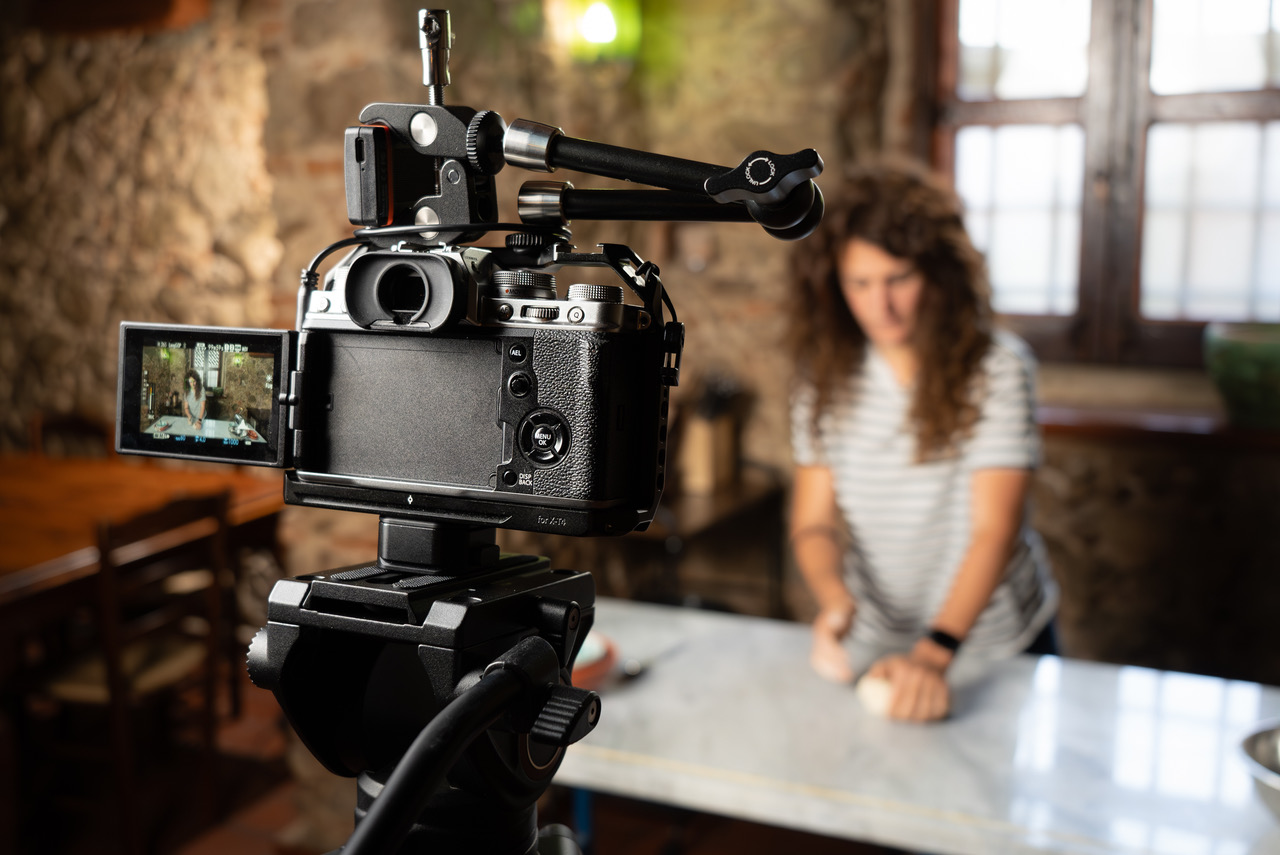
    behind-the-scenes-Pasta-Grammar.jpeg
    Behind the scenes of a Pasta Grammar video.

    What goes into writing your recipes?

    Harper: As the native English speaker, it is always kind of a fun challenge because part of my job is translating what Eva does, which is a very home-cooked Italian style. Nobody measures anything. You ask any Italian cook how much cheese they use. And they’ll look at you. You’re absolutely crazy for even asking such a silly question. But of course, when you publish recipes for people unfamiliar with that kind of food or write a cookbook, you have to translate something she does intuitively into a recipe. So we work very closely together when we’re developing recipes. And so obviously, she’s doing the cooking and coming up with the food, but then I’m measuring, seeing how much cheese she actually used, and then translating that into a recipe.


    Eva: This is also very useful because if I write the recipe, I write from my point of view, whereas Harper’s recipes are very detail-oriented. He writes for every kind of home cook.


    What are common misconceptions about Italian cooking?

    Eva: What I discovered coming here is that people think we love garlic. Yes, we do love garlic in Italy, but we don’t love garlic as much as Americans think. In Italian food, the taste of garlic is very, very mild. Even if we cook with a lot of garlic, we usually remove it or let it cook for such a long time that it becomes completely delicate.


    Harper: Another big misconception that a lot of people have is that Italian food even exists because Italy is so regionalized. When people visit Italy, they think, “I’m in Italy. I am going to get good pizza at every restaurant.”


    You sometimes need to go to a specific town to get a dish made properly. Don’t go to Sicily and order a carbonara. It’s not the place for that.


    Our second-highest viewership on our channel is Italians. They watch the channel to learn about food in other regions they don’t even know about. Someone from Naples might not even know what they eat in Milan. So, a lot of people need to disabuse themselves of the idea that there is Italian food. 


    Which kitchen skill should everyone master?

    Eva: The first thing people should understand is that you need to put salt in the food and taste it. You need to taste everything you cook to understand if you made a mistake and if it actually needs more salt or spices.


    Harper: Unless it’s a very specific baking thing where you kind of need some specific chemistry, we never give an amount of salt to any recipe. It’s always to taste because that’s a really important skill. When you see a recipe that says “a half teaspoon of salt,” it is like, “Well, what kind of salt are you using? Some salts are saltier than others. Are you using professional Diamond Crystal salt?” 


    One of our biggest pet peeves is recipes that give specific salt measurements. You really need to learn from every step. Also, with pasta, people are used to following the package instructions, where you just put a pinch of salt into the water. But people don’t understand that you need to actually taste the pasta while it’s boiling and make sure that it’s properly salted even before you incorporate it into the sauce. So, we put all of that in the cookbook because I know, as someone who knew nothing about cooking before I met Eva, my approach to salt was always, “I just have to put a pinch of salt in my dish. It’s just a mandatory thing.” But I never tasted it and never added nearly enough to make the ingredients really stand out.


    You feature several Sicilian recipes in your cookbook. Which is your favorite?

    Eva: One of my favorite recipes in the cookbook is pasta alla Norma


    Harper: Pasta alla Norma probably takes the cake because we consider it to be the perfect pasta dish. When we talk privately about trying a new pasta, our conversation always ends with, “Well, it was good, but is it pasta alla Norma good?” On an objective level, it’s just kind of the perfect pasta, and that’s why it’s actually on the cover of the book.

    It is just the balance of flavors. It’s a tomato sauce in which you incorporate some of the oil you use to cook the eggplant. The combination of eggplant, tomatoes, ricotta salata (dried grated ricotta), basil, and olive oil just sums up that southern Italian flavor.


    Why is incorporating the historical and cultural context of recipes important to you?

    Eva: This is very important because if you understand the history of a dish, you can appreciate the dish by itself. A lot of people think that we Italians don’t like to change our recipes. That’s not true because what we have today is just the evolution of what we’ve discovered through tradition.


    So knowing why, for example, they use these ingredients more than others makes sense in the dish. For example, the food of Venice: In the Veneto region, they use a lot of spices like cinnamon and cloves. Venice was one of the main cities during the medieval age that had the availability of all these spices. So they started to use them, and what we have now are spiced dishes that you don’t have in other regions. Knowing the history gives the food a new meaning.


    Harper: I have a dish that is tremendously important to me, which is just a really crappy grilled cheese on white bread, like Kraft American cheese dipped in Campbell’s tomato soup. It’s not that the food is particularly good, but it brings back memories that I had as a kid out in the snow in Maine. You would come back in from the cold and have this hot grilled cheese and tomato soup. So, the story informs how we eat and changes how the food tastes. I don’t think food is ever objective. Those stories matter a lot.


    You introduce people to experiences on tours. Tell us about them.

    Harper: We do a couple of different tours. The one we started doing years ago is a more traditional tour through Southern Italy. We start in Naples and go all the way down through Calabria and into Sicily. What makes it unusual is that we wanted to make a tour that took people off the beaten touristy track. I’d actually visited Italy before I met Eva, so I thought I had the place figured out.


    But then, when I started traveling with a local, she would take me to the places she wanted to go, and it was a completely different experience. So when we started that tour, the idea was to share a lot of those experiences that most tourists would never have, but in a way where it was accessible to someone who doesn’t speak the language and doesn’t even know about these places or foods to try or things to see.


    The second one that we do is expanding off of that idea. We do something called the Week in Dasà, which is where a group of people come to Eva’s small village in Calabria and spend a week living there with us. We cook together, we eat together, and we party together Calabria-style. It’s a project that we’re really proud of, something that’s very unusual. People come to a place where there’s never been any tourism, and they get the real deal of what it’s like living in a small Calabrian village.


    What experience do you hope people take away from Pasta Grammar?

    Eva: What I see right now is that a lot of people treat food like something just to put in the stomach. It doesn’t matter where you are or where you are eating. This is very bad because it’s a moment that you need to use to take care of yourself and of the people that you actually love. So I hope they understand spending more time in the kitchen is a very important time of your life.


    Harper: I went from being someone used to convenience food culture where I would say, “I’m busy. I’ll just grab a sandwich or get takeout.” And now I’ve gotten to the point where I can’t imagine not spending time every night cooking food and eating together. It’s something that is very important. And I didn’t realize how important it was, and now I can’t imagine going back.


    If you enjoyed this article, consider subscribing to my newsletter for more content and updates!   
  • Breaking Boundaries: How Trinacria Theatre Company Transforms Sicilian Community Spaces

    Breaking Boundaries: How Trinacria Theatre Company Transforms Sicilian Community Spaces

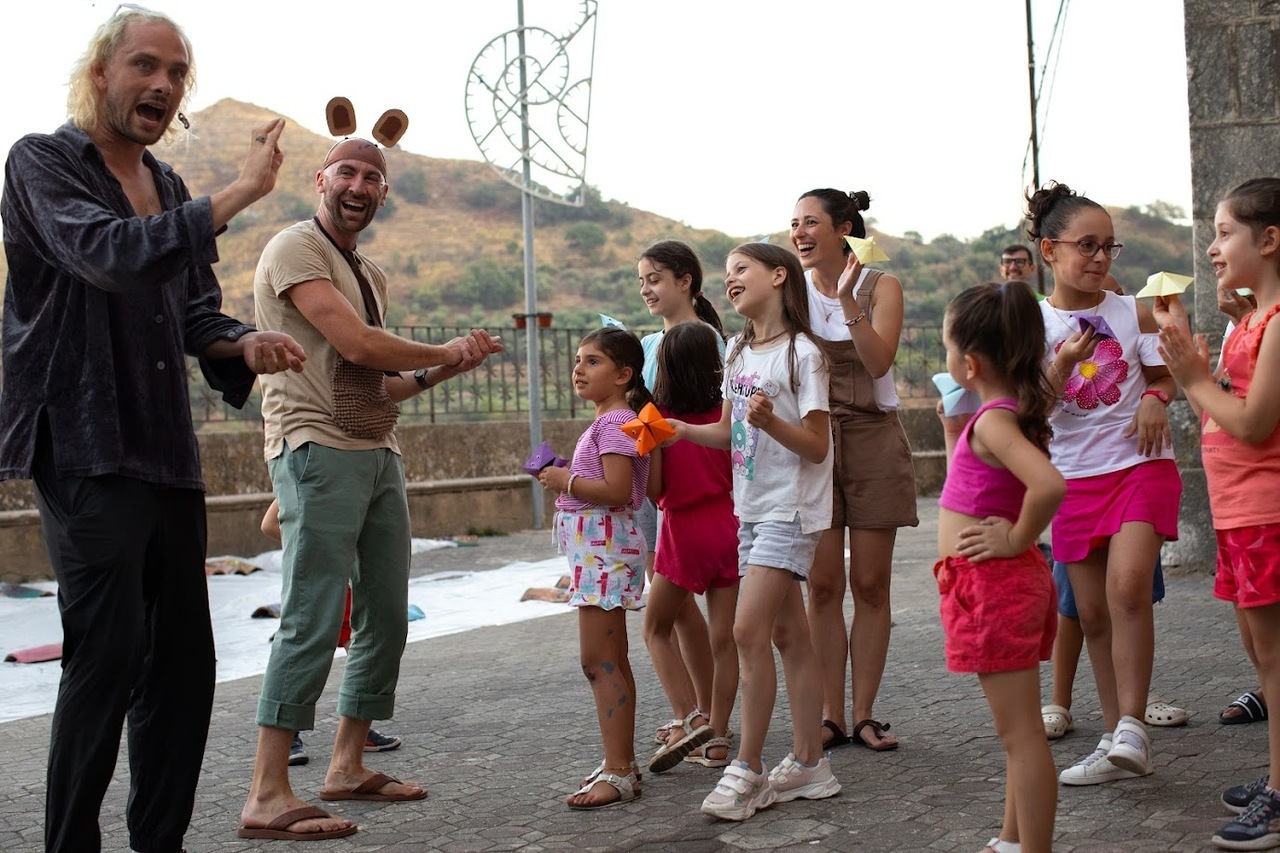
    Driven to rejuvenate Pezzolo, the Sicilian community her parents once called home, Mariagrazia LaFauci founded Trinacria Theatre Company in 2016. While the company’s shape has changed, its focus on community building, placemaking, and intercultural exchange has remained in a way that defies convention. 


    Unlike most theater companies, Trinacria doesn’t perform in theaters. Instead, they’ve been known to take over piazzas, terraces, and even soccer fields to perform pieces rooted in tradition as well as original productions. 


    I had the opportunity to speak with Mariagrazia, who also serves as Trinacria Theatre Company’s artistic director, to learn more about its important work and what she hopes audiences will take away. 


    What inspired the creation of the Trinacria Theatre Company?

    In the summers, I spent most of my life going back and forth to Pezzolo because my family lived there. 


    Around the time I was getting ready to graduate college, I started thinking about doing a project to help the village. Sicily has gone through a real diaspora, with many people leaving and many businesses going under. 


    In 2008, the year I graduated high school and went to college, the last bar in Pezzolo slowly shut down, and life screeched to a halt. Nobody had a place to meet up. That kind of really important cultural community space was just gone. I saw the population plummet after that. 


    Then, there was a really massive storm here in 2009 that really impacted people, and actually, quite a few people died in Giampilieri Superiore, which is the next town over, and a lot of homes were destroyed. 


    All of that together was just terrible and devastating. When I graduated from college, I started looking for opportunities to do a fellowship or something that would let me give back to this community. In 2016, I started the theater company here in Pezzolo to do that. 


    How did the company evolve over the years?

    It’s gone through many different iterations. In 2016, it started out with just an all-volunteer cast out of Boston and New York City. I held auditions in both places and found this group of actors. We were like, “Okay, let’s go do this. Let’s spend four weeks in Sicily and create a piece of theater about it.”


    It was such a beautiful piece, called La Storia di Colapesce, based on a local myth that’s really closely connected to Messina. We toured it around Sicily and brought it back to the U.S., where we did it in Boston and New York. 


    Then there was a year gap because I went and did my master’s during that year. But when we came back, I was sort of like, “That was beautiful, but how do we expand beyond just dropping a bunch of people here, doing a show all on our own, performing it, and then leaving? How do we make this a community event and space?”


    So, we started to play around with this festival format, where we did workshops and storytelling circles. We put on an exhibit by a local artist, created pieces, and featured these local theater companies. Then it was like, “Oh, there’s something here.”


    Since then, there’s been more of a festival format to it all. And so it’s gone through different iterations. Sometimes, we do create shows; sometimes, we don’t create shows. This year was an open residency, which we’ve done twice now, where we just look for artists, they apply, and then we bring them in for residency. They get to kind of use the time and the space to create on their own independently, and then they share that in the festival afterward.  


    Tell us where you perform.

    We don’t use traditional theater spaces at all. We use piazzas, streets, and abandoned spaces wherever we can find them. This year, we held events on a terrace and a soccer field. 


    I love theaters. I genuinely love them and will always love sitting in a seat, the lights going dark, and all the bells and whistles that come with it. But I think that space can be intimidating for people sometimes if it’s not the kind of space you regularly engage with. Sometimes, it can feel a little bit like you’re going into the temple or church of a religion you don’t belong to, and you’re kind of like, “When do I sit? When do I stand? What are the rules? What do I say?” And that feels intimidating for people. 


    We take it from that context and just plunk it into, “This is your piazza. If you’re going to answer a phone call, your kid’s going to run across the piazza, or you’re talking in the corner, we can’t stop you, but we will also put on a show for you. So, if you also want to sit and watch that, great.” It’s a very different vibe.


    How does that unconventional style translate to your performances?

    Necessity is the mother of invention. We’ve got no stage, we’ve got no lights, we’ve got no speakers, we’ve got nothing. How are we going to put on the most incredible show possible? So, you take a show like Colapesce, which will take place 80% underwater and also in a volcano, and all of these things that are completely impossible to stage. How are you going to do that with absolutely zero lights, sound, set, or props to indicate we’re underwater? It was like, “Cool. We have our bodies and voices. We have some music that we can make using these three instruments that we brought. Let’s do it. What are a million different ways that you can make someone look like they’re swimming when they’re not really swimming?” And so that was how our first piece was made. It’s very physical, it’s very playful, it’s very silly at times. 


    How does communal living during the residency foster creativity?

    The artists who come here always live together in a shared house, sometimes even shared rooms, depending on the number of people and what they’ve agreed to. 


    For me, it’s two things. One is Italian households. They’re intergenerational. There are often a lot of family members. I’ve got my aunt, who lives five minutes down the road, and I’m probably at her house eating dinner two to three times a week. Communal meal times are so important; that family connection is so important. It’s part of Italian culture. It would be weird if we didn’t all eat together as a company. I always make sure you’re living together or sharing meals together. And then, often, what comes out of that is people who find these points of connection. 


    One of the other things I do as part of the residency is each artist leads a morning warmup. They get a chance to present their practice in some way. And the people who come here are some visual artists, some of them are writers, and some of them are theater majors. They all go at it from such different angles, but they get this morning of “Hey, you’re going to engage with my creative practice today, and that’s going to set you up for whatever it is that you’re going to do for the rest of the day, or how you’re thinking.”


    So, these really wonderful synergies come out of that often where somebody says, “What you did today really resonated with me. I didn’t realize that you did that. I want that in my piece. Can you help me? Can we collaborate on this?”


    These cool little collaborations naturally and organically emerge, or people just bring wild talents, and suddenly, you figure out that this person can play a kazoo in this piece. 


    What impact did the pandemic have on the company?

    It was tough. We had decided to do the open residency for the first time that year. We’d chosen four really incredible artists, but obviously, they couldn’t come to Sicily that year. 


    What was really miraculous was they all waited the two years that it took for us to finally be able to travel again. And so they came in 2022, which was amazing.

    It was a tough year. I had been living in London up until that year. In February, I found out that we’d gotten an Arts Council England grant to do a research and development period on a show we’d been creating called the Hades & Persephone Project.


    We’d gotten this amazing grant, and I had these incredible actors ready to do it. Then, the pandemic shut the whole thing down. So, I got to go back to London in 2021, and we were able to use those grant funds to do the project.


    One of the really cool things that happened during the pandemic was we created an audiobook. We took the Colapesce story we created in 2016 and turned it into an audio story. We had music, and we did all the sound effects.


    During the pandemic, many people said, “Oh, Shakespeare wrote King Lear during a pandemic.” But I had this feeling: We have to take care of ourselves first. We can’t just be creative when things are hard just because we’ve suddenly got time and space to do it. So, it was also important to put the brakes on and make sure that everybody was taken care of first and foremost. 


    How has your work bridged cultural gaps?

    One of the things I am most excited about is seeing some of the folks here who really want to get involved. For example, there’s this wonderful young woman who doesn’t live in Pezzolo, but her grandfather, Stephano, does. Her name is Giada. Giada speaks beautiful English. She’s going to go to school for translation. 


    She’s 18 years old but is so put together, articulate, and smart. She has come in and done translations, gotten involved with the performances, and taken on many directing roles over the years. It’s been cool to see her develop this way. 


    Her grandfather, Stefano, was an incredible artist. He works with wood. He used to work a lot with steel, but he’ll find beautiful pieces of twisted olive wood, and they’ll turn into an octopus lamp or something incredible like that. A lot of people in Pezzolo didn’t know that he had this incredible museum of his work in his house. And so he started featuring his stuff and putting it out there during the festival.


    The two of them are a really great example for me. Every year, somebody has this incredible connection with Stefano, where they wind up at his house every day working in his shop, having coffee with him, helping with a piece, and putting his stuff on display. It’s this wonderful interaction. 


    I feel like these micro-interactions happen all over the village when we’re doing this residency.  


    How else have you involved the community in your shows?

    Whatever we do has to involve the community in some way. And so when I’m looking for artists, I’m looking for artists who have some sort of a community focus to their work. I tell them that it can be part of the process, especially for the open residency where they’re creating their own pieces. It could be part of the final piece of what you perform, but in some way, you have to engage with this community and have them be a part of what you’re doing, which isn’t always easy. Sometimes, people just want to sit back and be audience members. 


    So it’s about finding people like Giada and Stefano who really want to be up on the stage, in the audience, and in the crowds. Finding ways for people who don’t often go to museums or theaters to feel like they can engage is such an interesting artistic challenge.


    Sometimes, it can be a really low-stakes engagement. Instead of sitting back, you’ll be walking around and following the narrator. Last year, the piece that we built went through the whole village. It took you through a tunnel, and there were calls and responses to it and things like that. Some of those can be really low-stakes ways to engage, and some can be really high-engagement. 


    We had this one incredible artist, Heloise Wilson, who is just so phenomenal. She did this whole storytelling workshop. With the stories told through that workshop, she created these beautiful little posters that were put up around town with snippets of the stories, photos, and images. Then, she created a chorale piece that members of the community performed. She crafted this beautiful Greek chorale poem using their words, and they performed it as part of the festival. They did an amazing job, and she guided and facilitated that.


    Your pieces tap into folklore and mythology. Tell us about a particularly inspiring one.

    My brain immediately goes to the story of Mata & Grifone, the last full theater piece we created last year. We created this piece based on the Hades & Persephone Project. The story of Hades and Persephone is the most well-known outside of Sicily, but here in Messina, Mata and Grifone is the best known.


    It’s the story of these two giants. Mata is a Sicilian princess, and she’s white. Grifone is a Moorish conqueror, and he’s black. This is set during the time when Sicily was an Arab Emirate and had been conquered by North African Islamic conquerors. And so the two of them see one another and fall in love. Her father objects, and he locks her away in a tower.


    Her father would only accept it if Grifone converted to Christianity, which he did for them to be married. And so the two of them become the rulers of Messina.


    They’re now the pagan deities of Messina.  Every summer during Ferragosto, these massive paper mâché statues of these two giants parade through the streets.


    They’re known as the ancestors of all Messina people because we’re all said to have descended from them. They had so many kids together. I love this story so much, first of all, because it’s the story of this interracial couple on an island where I think xenophobia and racism are quite present today.


    Also, Sicily itself has an incredible multicultural background. It was Arab for 200 years. It’s been Spanish, French, Greek, and everything in between. There are so many cultures. It’s a continent and island, and that’s where we come from.


    At a time where now we’re facing these really harsh lines drawn, politically, especially for people who are refugees or who are emigrating from the African continent into Europe through Sicily. Seeing the really beautiful presence of these two lovers, who are the ancestors of all Sicilians, reminds us that this is where we all come from. 


    There’s a harshness to it, a difficulty to it. Grifone had to give up a part of his cultural identity and religion to be with this person. So it’s complex, it’s nuanced, and it’s celebrated throughout Messina.  


    How do you ensure your productions remain authentic and respectful to other cultures?

    It’s always about talking to people authentically and respectfully. If it’s always rooted in a truly excellent intention, “I believe that your story is worth telling, and it’s worth telling with honesty, respect, and integrity.”


    You’re always approaching it with that lens. I’m part of this group called ITDS (Indie Theatres Dismantling Supremacy). We’re this cohort of artistic directors of small independent theaters that came together in 2020 to talk about how our organizations exist in a world where there’s white supremacy, and there’s oppression. There are all of these systematic things that we all have to deal with, and we all have to consider how they show up in the worlds where we’re working. 


    Something about showing care and kindness to the people you’re around is so simple. When you take that care and kindness and implement it into the systems you’re building—because we’re all building systems—to function or survive and be sustainable, we have to systematize certain things. But when that kindness and that care are embedded in you, it’s a part of what you do. 


    I think we’ve never approached it without the angle of, “We do this because we love these people, and we’re going to listen to these people and listen to these stories, and we want to involve you and not force you into being involved if that’s not what you want.” We always bring it back to kindness, which has been a much more powerful driver than I think I would’ve ever thought it was.


    What do you hope audiences take away?

    There are different parts of an audience. There’s the local audience, the Pezzolo people. And I think what I really want them to leave with is, “I live in a place that is capable of producing great art and great beauty.”


    Every day can be activated, brought to life, and turned into something beautiful if you just apply a creative lens to it. And the place where I live is capable of being that spark and being activated into that beauty. 


    If you enjoyed this article, consider subscribing to my newsletter for more content and updates!
  • Sicilian Wedding Lab: Crafting Unforgettable Sicilian Destination Weddings

    Sicilian Wedding Lab: Crafting Unforgettable Sicilian Destination Weddings

    Ksenia Molostvova lives between two churches, where she sees plenty of weddings each month. However, the founder of Sicilian Wedding Lab doesn’t typically plan Sicilian weddings for Sicilians. Instead, she caters to those individuals who might have a connection with Sicily, whether it’s through heritage or simply because the island is a favorite destination.


    “The world is discovering Sicily,” she says. “People always want to search for authentic destinations. And Sicily can offer a lot.”


    Ksenia shared more about her Palermo-based business and background, the differences between Sicilian weddings and Sicilian destination weddings, the most popular wedding destination, her favorite wedding sites, and her wedding planning goal.  


    What’s your background?

    I’m from Moscow, and I’ve been living in Italy since I started coming here in 2006 because I was responsible for Italy as a journalist. I met my future husband, and we started dating, flying back and forth for six years. And then, I moved to Sicily in 2012. In a couple of years, I left my news department and stopped working for Russian TV channels. But I still create documentaries for different European YouTube channels. So I’ve continued this work as a producer, but I also started doing weddings in 2015, so now I can say I’ve become a “wedding producer!”  


    How did you get started?

    First, I had friends say, “Organize our wedding in Sicily.” I said, “I’m not a wedding planner. I’m a producer.” They said, “Well, if you are a producer, you can do anything.”


    So I did one wedding, a second, and a third. I was focused more on small weddings, up to 50 people. And then, at some point in 2021, there was a royal wedding in Sicily, and it came to me in a strange way. I knew the man who was organizing this wedding. The bride was the daughter of an earl from Scotland, and the groom was the Spanish prince, the direct descendant of the last Bourbon King of Sicily. And this man I knew asked me to be an interpreter here. So, we started doing this wedding together. I was just his local assistant. But then, he had to quit the planning at some point due to health issues, and I was left alone with this wedding. And it wasn’t just a normal wedding, it was a Royal Wedding!  I had a chance to say no to that. But then, after some reflection, I said, “Well, if it came to me for some reason, I have to go forward.”


    I formed my team. We did bring it to life. It was extremely challenging, but it worked. At that point, I understood that I may have to fully dedicate my time to weddings. 


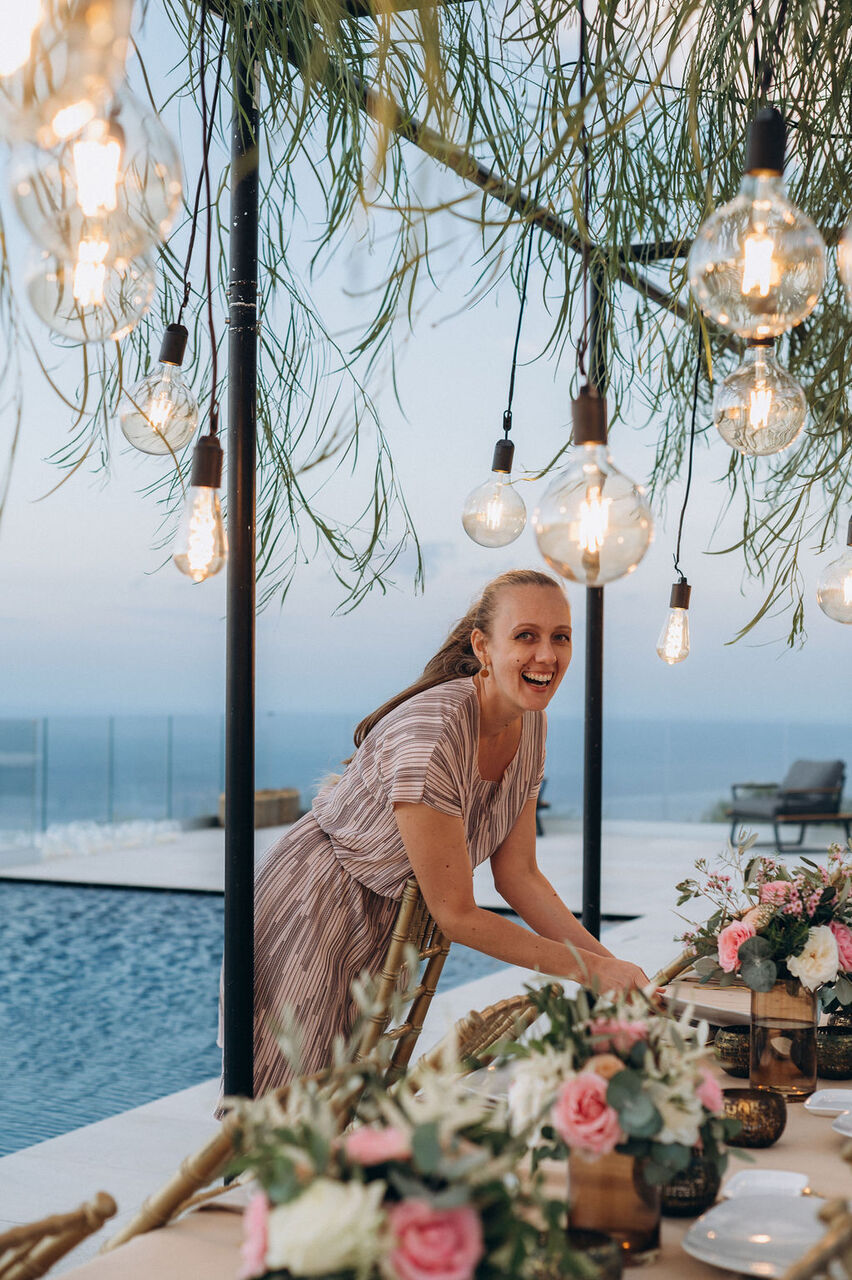
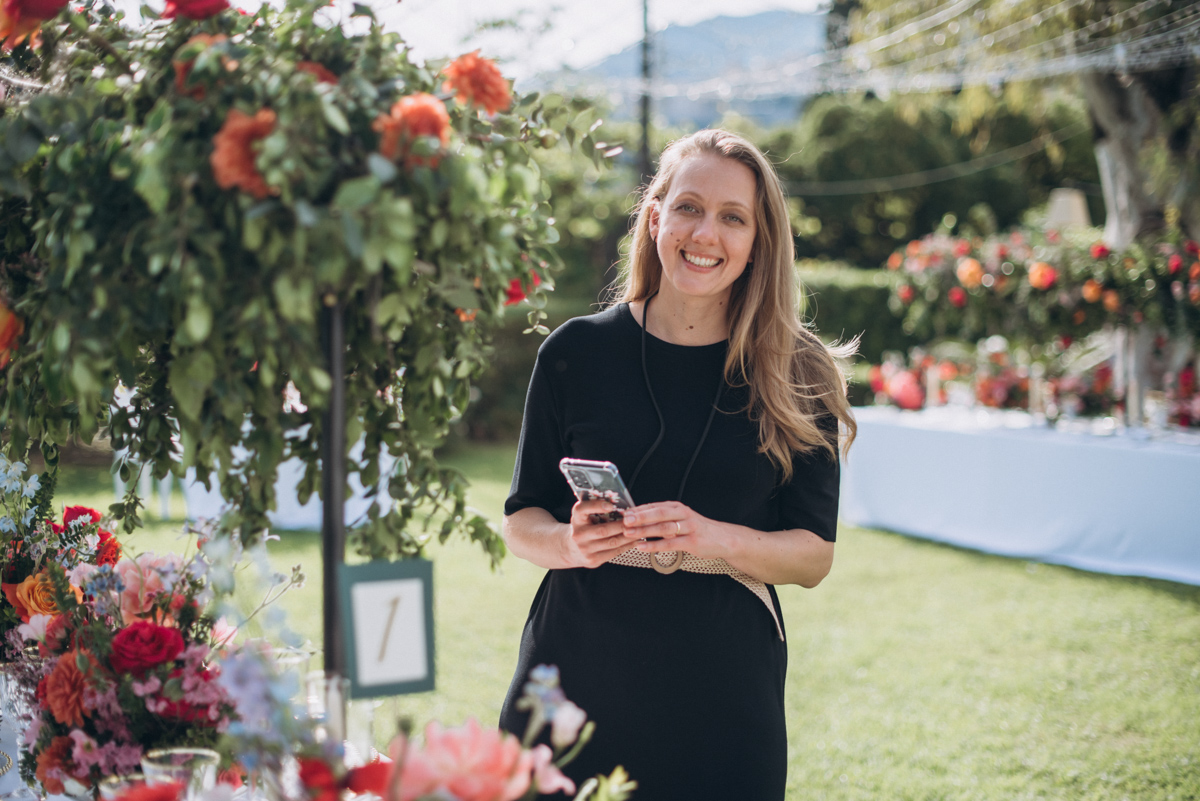
    Ksenia-Molostvova--The-Sicilian-Wedding-Lab-owner-horizontal.jpg


    Describe the differences between your weddings and typical Sicilian weddings.

    I have to bring to life some ideas that are not real. A normal Sicilian wedding doesn’t look like a Sicilian wedding for American or Australian clients. It could have more traditional elements than the modern Sicilian wedding; for example, the modern Sicilian wedding wouldn’t have a folk band, some really Sicilian elements, or Sicilian food.


    Food is extremely important for Sicilian weddings, but it must be something particular, not just simple traditional recipes. For example, you wouldn’t serve the simple caponata at a Sicilian wedding. Whereas Americans look for traditional Sicilian recipes and venues like Tonnara di Scopello, an old tuna fishery. It’s just like a shed where you keep boats and fishing nets. But the place itself is spectacular. And it has become really popular and expensive just because of foreign weddings.


    Local Sicilians would never, ever, ever go to a place like that for a wedding. They need a palace, something chic, some really fancy-looking venue. They don’t see the beauty in some rustic place.


    What goes into one of your weddings?

    We work with many local artisans who make handmade ceramics for guest favors and local bands that perform and feel that people seek them out. There is plenty of stuff that you can give to your guests, like local honey, jams, or other typical local products or objects. 


    What services do you offer to wedding couples?

    Each couple is different, so I’m against packages. I offer a full planning service because it’s important to me. A destination wedding is about the destination. So it’s not just about the couple and the family.


    Normally, it’s at least a two- or a three-day wedding because most couples and their parents come here for a long period. We organize a lot of experiences before and after the wedding. It can be a beach day, a wine tasting, or a pizza party. It can be a tour of some beautiful place like an archeological site. It’s always about an experience because showing a destination is important. So, everything that Sicily can offer, including beaches, wine, and nice food. It’s a holiday, and it’s also a holiday that will never ever be repeated in their life because all their friends come here. This is something I like to focus on all the time. It’s not just the wedding, it’s the experience.


    What are the most popular Sicilian wedding destinations?

    Taormina is probably one of the most popular destinations because it has been a tourist destination for a long time. When tourism began to develop in Sicily in the 19th century, Taormina had hotels and infrastructure, and it was easy to reach.


    Maybe the couples Google “Weddings in Sicily,” and Taormina is what they see at the top of the search. Personally, I do think Taormina is a beautiful place, but logistically, it’s quite complicated to have an event there.


    On top of the town, the mountain is all pedestrian. It’s really complicated with the delivery of all the stuff, the transportation—well, everything. And Taormina is not really a beach destination. Many people get confused because they see that Taormina is on the coastline. You do have beaches there, but, at the same time, if you are staying on the beach, you are not staying in the town. So, you have to take a taxi, which takes time and is expensive. And the other way around, if you’re staying in the town, you are not staying at the beach. Also, Taormina is close to Mount Etna, so the beaches have gray sands or pebbles, and the sun hides behind the mountains, so you cannot enjoy long sunsets on the beach.


    What is your favorite Sicilian wedding destination?

    Scopello is really picturesque. And the coastline from Castellammare del Golfo to San Vito lo Capo and until Trapani is probably the most beautiful.


    The Province of Trapani boasts white, sandy beaches and beautiful rocks. The color of the water there is turquoise, and the sunsets are really stunning! This part of Sicily is still quite authentic, as mass tourism has never reached it, which is why I love it so much.


    What is your goal for weddings you plan in Sicily?

    The goal, obviously, is to satisfy, to find out what each couple wants and their values, why they chose a destination wedding, and why they chose Sicily. So, what would they like to find in Sicily, and what would they want to share with their guests about Sicily?


    In September, I had a wedding for a Canadian couple with Italian origins, not Sicilian. They spent two weeks here, traveling all over the island with all their friends. I was so pleased to get their review and see how much they enjoyed the time they spent here. They had so many activities in these two weeks. So, I think that the goal was reached. It wasn’t about the wedding, but it was about the experience. 


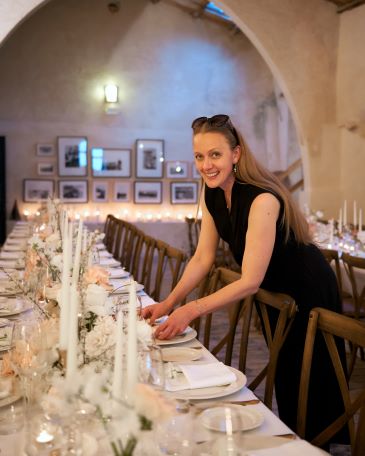
    Ksenia-Molostvova-setting-table.jpg


    If you enjoyed this article, consider subscribing to my newsletter for more content and updates!
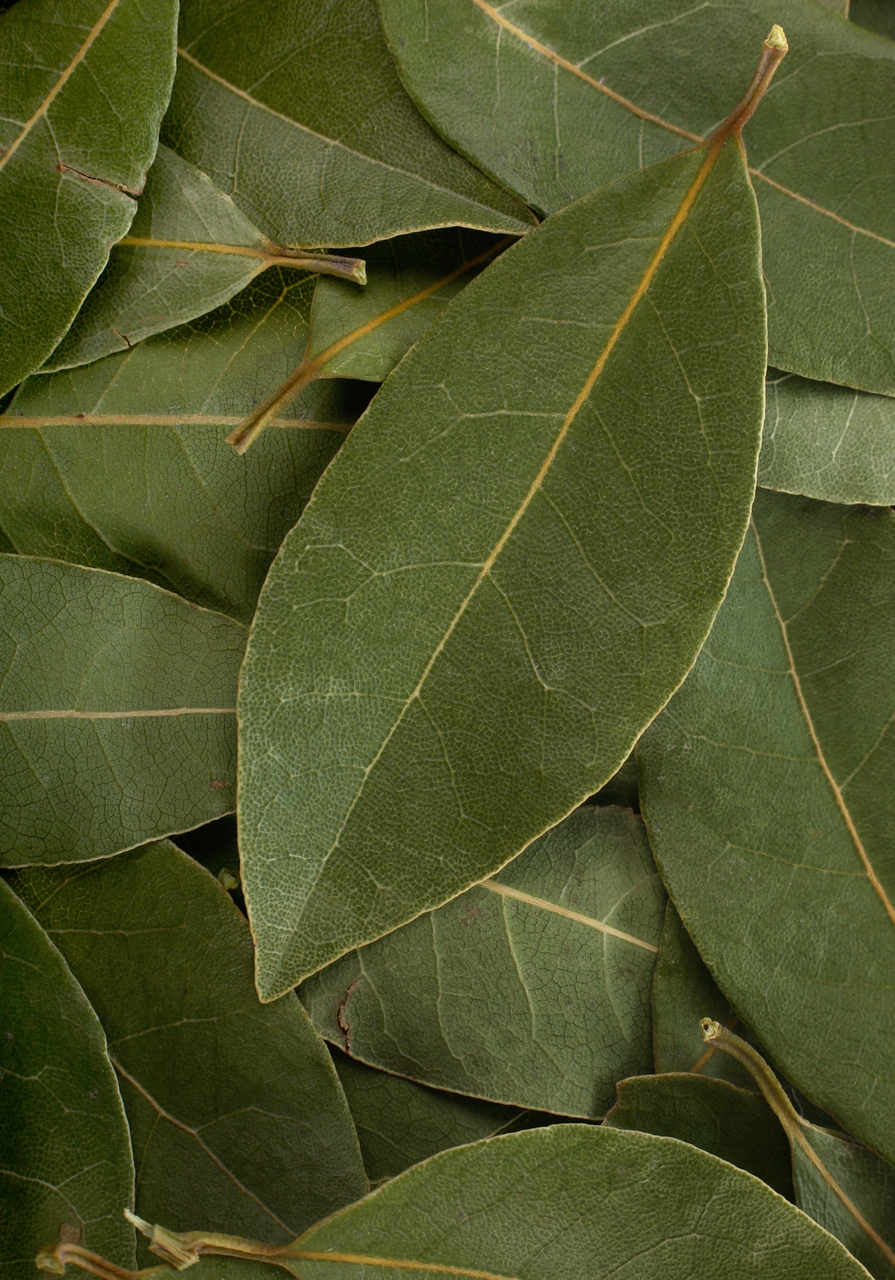
  • Bay Leaves: Essential or Overrated?

    Bay Leaves: Essential or Overrated?

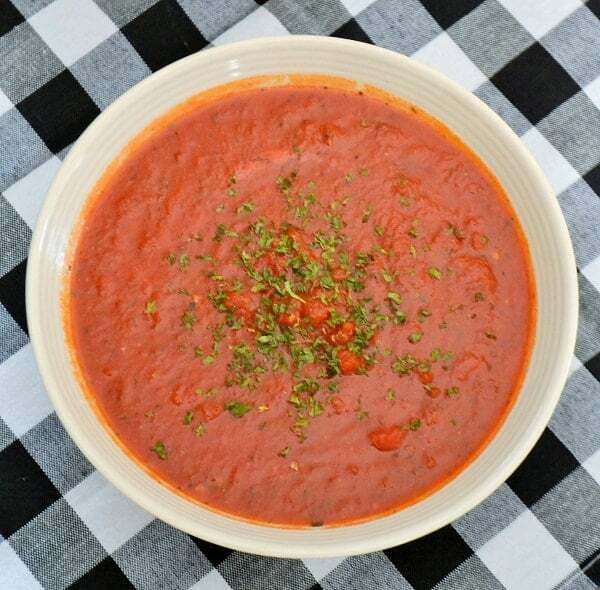
    My Sicilian grandmother always tossed a bay leaf or two into her tomato sauce, and my mother does as well. But lately, I’ve found myself forgetting to add the bay leaf and wondering what purpose it really serves. 


    So, I was intrigued to find an article in the International Journal of Gastronomy and Food Science that addressed this very question. 


    I reached out to its author, Charles Spence, an experimental psychology professor at Oxford University and the author of Gastrophysics: The New Science of Eating, to discuss bay leaves, why they spark such debate, and how his own bay leaf use has changed since his research.


    Why did you choose to research bay leaves?

    It was initially a debate with my brother, who’s a chef in Oxford, about what they do or what they add. I’ve got other papers on cinnamon and coriander. So, I am interested in the historical introduction and disappearance of different herbs and spices around the world over the decades, centuries, and millennia. What, exactly, are they doing in our food? 


    I’ve got a verdant bay tree just outside the window here, so I’ve got thousands of bay leaves, but for others, they can be extra expensive to purchase. My brother is convinced bay leaves add something, and I am, too. I always stick them in whatever I’m cooking. But what, exactly, does it add? 


    It’s a curious question. It got me searching through the literature, and that brought up the fact that many chefs and others have a big debate about whether bay leaves have a taste/flavor or not. It’s interesting to have an ingredient that could be reasonably expensive and for which lots of people don’t know why they’re using it. 


    Tell us about the work you do.

    As a psychologist, I’ve always been interested in the senses and how they interact with and apply to the real world. For the first 15 years, I mostly worked on technology, talking window screens, mobile phones, car warning signals, and that kind of stuff. Then, Unilever funded me to help with their fruit teas. I’d never done anything on flavor at all, but they were paying the bill, so I said, “Okay, I’ll do some experiments on that.”


    Suddenly, it got interesting. Flavors are probably the most multisensory thing we experience. They engage all our senses, but flavor is something that psychologists typically don’t study. 


    Here in Oxford, we’d do experiments on how the senses contribute to flavor and how we can make things sweeter by coloring them pink or red or adding certain scents. But my experience was that the food company chefs could never make anything very exciting from the science.


    Then, I was introduced to the world’s top chef, Heston Blumenthal, and suddenly started doing experiments around the “sounds of the sea,” which thereafter led to one of his most famous dishes. Diners wear headphones, and they hear the sounds of the sea while they eat sashimi plated to look like the seashore.


    That got me more work in food, working with chefs, mixologists, and baristas rather than food companies. These latter creatives turned out to be very interested in trying to apply science and psychology to food as a multisensory object, always doing so in ways that ask how people today perceive these things and what they mean. 


    Over the years, I’ve had a few interdisciplinary grants with anthropologists, historians, art historians, philosophers, and a wide range of disciplines. And I guess through some of those workshops, which have been on other things like what aesthetics is, I keep coming up against the anthropologists who say, “You psychologists. When you try to understand sensation or flavor, you don’t seem to understand the importance of culture and history.”


    I’ve come around to starting to be interested not just in how we perceive things but also in how we have perceived things in the past. Tracing the history of herbs, spices, and fruits allows me to do so. 


    Maybe bay is not an expensive or luxurious spice in the same way that saffron is. It’s a ubiquitous spice or herb in this part of the world. I’m curious about the history of flavor and psychological history, which lets me better understand how we perceive from a broader social, historical, and cultural perspective. 


    What have you found interesting about the bay leaf?

    Bay is the only herb I have encountered so far where some people say it tastes like nothing and don’t know why they use it. That doesn’t happen anywhere else, and this debate has even made it into the culinary and trade press; there’s this debate going on about what bay is doing.


    It could be that a third of people are unable to smell one of the chemical compounds, or it could be that it doesn’t really have a perceptible flavor. It just does something to the flavor of everything else. It’s like a flavor enhancer. I’m interested in other things like kokumi, the next thing after umami, or monosodium glutamate (MSG). Kokumi has no taste when you add it to food. But when it’s added to things that have umami (e.g., mushrooms and Parmesan), it amplifies the other taste sensations. 


    Maybe bay leaves are doing that. So, is this difference genetic in what we can smell? Some people can, some can’t. What the bay leaf does for everything else is interesting. 


    Maybe some people who say it doesn’t do anything are focusing on what it smells like itself. They think it doesn’t smell like anything; therefore, they think it does nothing. Others say, “I always add it to my cooking because of the end result and total flavor.” 


    It may also depend on where you get your bay from, what part of the season it was grown in, whether it’s California Bay or Laurel, how it’s been stored, and whether it’s been frozen, dried, or fresh.


    What’s also interesting about bay to me is the question of whether dry or fresh leaves are better. For most things, you think fresh is better than dried. And yet various people say, “No, dried bay is better than fresh.”


    So, which is right? How do you answer that when the thing itself doesn’t taste very good? 


    I’ve been going to my tree here, picking them, and putting them in boiling water for a while, which, again, may not be the right thing to do. Maybe it needs fat to release all of what it can contribute to a dish.


    I also have been putting them in a cup of bay leaf tea and then trying to almost do the blind taste test on myself with a cup of hot water that has bay leaves steeped in it and another one that’s just hot water. Can I discriminate?  I haven’t done the official taste test because it’s a bit too messy and time-consuming. But yeah, there is something there, a curious sensation.


    How did your bay leaf use change as you were researching the topic?

    Well, I never had bay leaf tea before, and then, through the research, I now think differently about picking them. Before, I just picked them whenever the bowl of dried ones ran out, and now I think there’s no point in doing that just yet; I should wait till the end of the year.


    I switch between the dried and the fresh, trying to decide which is better. Before writing the article, I probably would’ve only used the dried ones. But now I’m thinking back and forth. They say it makes a difference.  


    What do you hope people will take away from your bay leaf research?

    My hope is that people will come away thinking, “Well, yeah, now that you mention it, I do wonder why I do that. Why do we add our herbs and spices to our food?”


    I think there’s a whole world that’s not really been studied much. A few food historians are doing research on spices, but not anything from the psychology or sensory angle. Growing awareness and appreciation, perhaps particularly in the case of herbs, might be advantageous moving forward. These sorts of herbs can have interesting effects on taste and flavor and also maybe interesting impacts on our ability to absorb other nutrients.


    Although I’m not sure bay necessarily serves that function, it is undoubtedly a culinary curiosity that I think gets people interested and thinking this is much more fascinating.  


    If you enjoyed this article, consider subscribing to my newsletter for more content and updates!
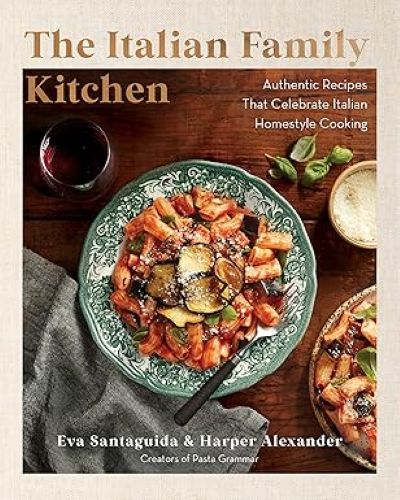
  • 25-Minute Marinara Brings Homemade Flavor Without the Hassle

    25-Minute Marinara Brings Homemade Flavor Without the Hassle

    Growing up, we never had jarred pasta. My mother was known for her sauce, something she’d mastered by watching her mother and grandmother. In less than half an hour, she’d whip up a simple marinara that was rich in flavor, thanks to a couple of cloves of garlic, a bay leaf, a pinch of nutmeg, and another pinch of sugar. She’s always maintained that one doesn’t need to sweat over the stove for hours. 


    Jersey Girl Cooks blogger Lisa Grant agrees. Her “25-Minute Easy Marinara Sauce” doesn’t require fancy ingredients or cooking techniques. She simply sautées garlic in olive oil before pouring in a large can of crushed tomatoes, a few herbs and spices, and a pinch of sugar. 


    Lisa shared her background, her childhood association with tomato sauce, her favorite way to enhance marinara sauce flavor, why making your own pasta sauce is better, and her favorite ways to enjoy red sauces.


    What is your background as a cook?

    I am a home cook and have loved cooking since I was 10 years old. I became a blogger over 15 years ago and have since written two beginner cookbooks: The Super Easy Cookbook for Beginners and The 5-Ingredient Dutch Oven Cookbook. I love helping people cook easy meals!


    Do you have Italian family?

    My dad was from an island in Croatia (Susak) that once belonged to Italy, so the cooking is very Italian-influenced. On my mom’s side, some of the family was from northern Italy, including Trieste. 


    What memories do you associate with tomato sauce?

    We typically had Sunday dinner, which included a huge bowl of pasta with “gravy.” This was a red sauce with various meats in it. 


    Can you share any tips for enhancing the flavor of the sauce?

    I love using fresh-grown New Jersey crushed tomatoes that I keep in my freezer, but I don’t have them all year round, so a good brand of crushed tomatoes works well, especially during the winter months. 


    Why should you make your own instead of buying a jar?

    It is so much better, and you can regulate the salt and spices. 


    How do you use this marinara sauce?

    I love this sauce with any type of pasta, but it is also terrific as a dipping sauce for recipes like oven-fried zucchini


    What do you hope people take away from your recipes? 

    You can cook good food at home without stress. I love socializing at the dinner table!


    >>Get Lisa’s 25-minute Easy Marinara Sauce recipe here!<<


    If you enjoyed this article, consider subscribing to my newsletter for more content and updates!